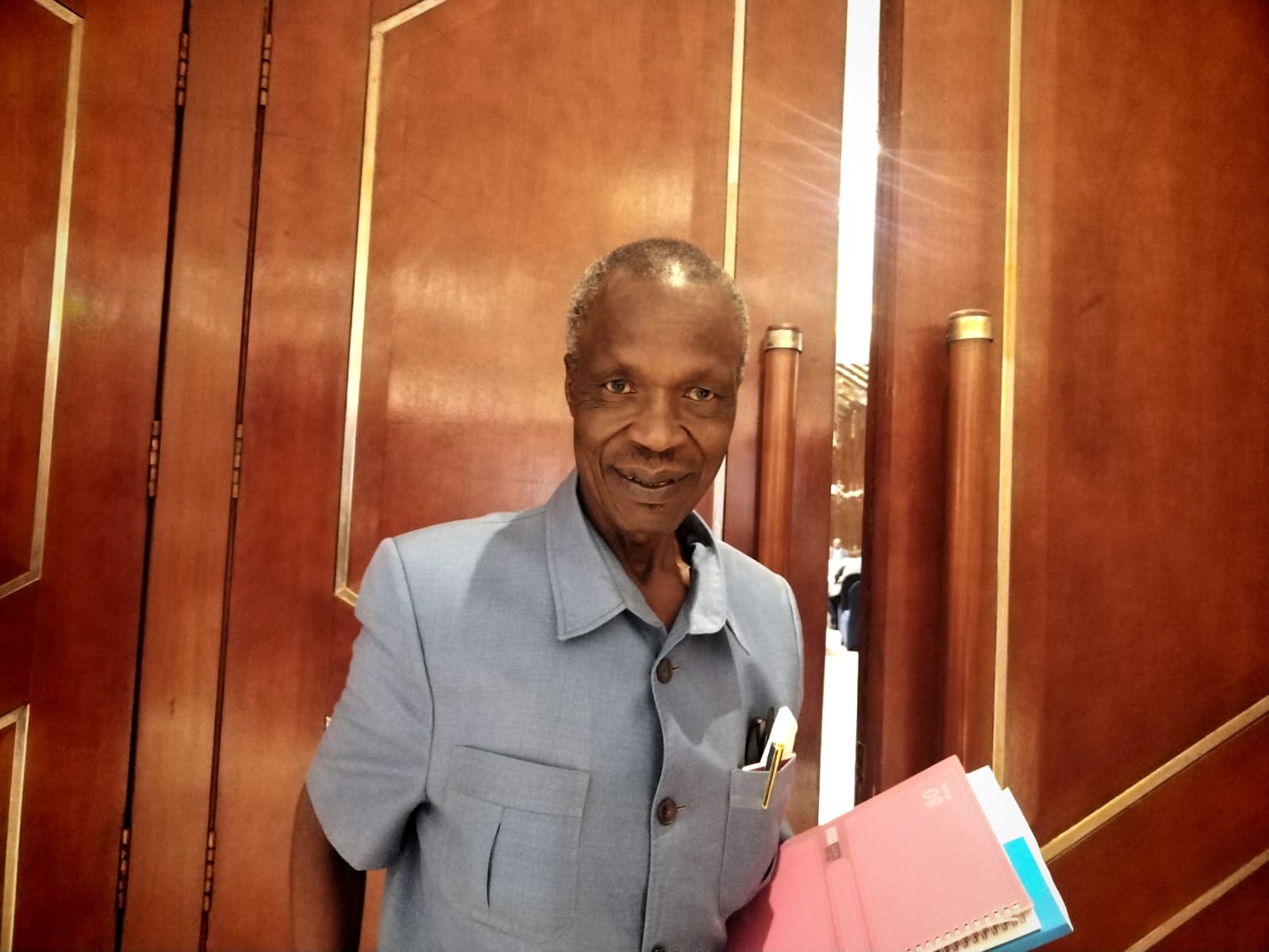
Sam Cheptoris, Uganda’s Minister of Water and Environment, denied years of claims that the country’s first oil production projects are causing pollution in Lake Albert or harming its biodiversity and the surrounding area, describing them as foreign-funded lies.
In an exclusive interview with Food & Climate on the sidelines of the 33rd meeting of the Sahara and Sahel Observatory (OSS), held in Cairo on Monday, April 27, 2026, he stated: “Uganda is employing all methods to protect the environment surrounding the oil production project”.
The Kingfisher oil field on the eastern shore of the lake and the Telinga field near its northeastern edge, currently under development to produce crude oil for the first time in the country, are rumored to pose a threat to water quality and wildlife.
The two oil fields are being developed by China National Offshore Oil Corporation (CNOOC) and Total E&P Uganda, a subsidiary of the French oil giant Total Energy.
Lake Albert, formerly known as Lake Mobutu Sese Seko, is one of Africa’s Great Lakes and a key part of the Nile River system. It lies on the border between Uganda (46%) and the Democratic Republic of Congo (54%) and is the seventh largest lake in Africa.
Oil production and environmental protection in Lake Albert
Sam Cheptoris, Uganda’s Minister of Water and Environment, told Food & Climate, that the country is producing oil while taking all necessary precautions to protect the environment and biodiversity of Lake Albert.
Read also: Minister: Egypt will not allow Ethiopia to build new dams on the Nile River (Exclusive)
Environmental groups say that the development of the two oil fields has led to the clearing of vast areas of vegetation and the loss of more than 630,000 acres surrounding Murchison Falls National Park.
They pointed out that oil field development threatens Lake Albert and the Nile River basin, increasing the risk of water sources being contaminated by sewage and industrial waste.
Water and fishing needs
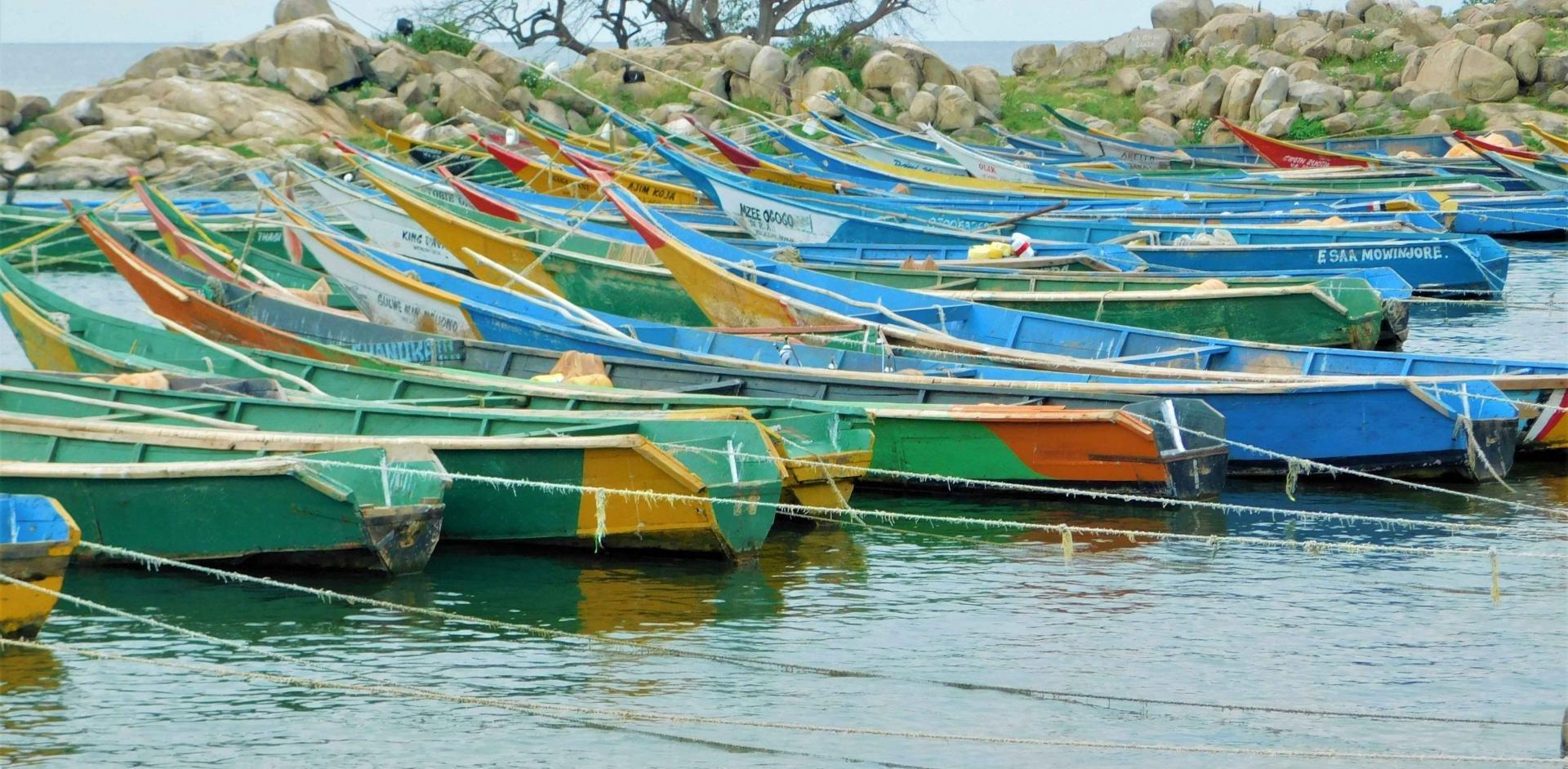
According to an article published on the Mongabay website last October by Robert Ajinunga, a strategic support advisor for the environmental NGO Defenders of the Environment, “Thousands of families in Uganda and the Democratic Republic of Congo depend on Lake Albert for their daily water needs and for fishing. It is also a vital habitat for unique wildlife species, such as shoebill birds and giant herons.”
Read also: Uganda’s refugees turn food waste into clean fuel
A report commissioned by the author’s organization and conducted by E-Tech International concluded that biodiversity destruction, oil spills, and groundwater contamination are increasingly prevalent in the Albertine region.
The report explained that the adjacent Murchison Falls National Park is home to rare wildlife species that cannot survive in the oil extraction environment.
Given its rich biodiversity, Murchison Falls National Park requires careful management, which the report’s authors suggest can be achieved by employing the best available technologies.
European-funded lies
Sam Cheptoris, Uganda’s Minister of Water and Environment, described claims about oil production projects polluting Lake Albert and surrounding areas as “lies”.
When asked by Food & Climate why such lies were being spread, he said: “I don’t know. I think some people are receiving European funding to spread these lies”.
The minister did not answer a question about why European entities would fund the dissemination of falsehoods regarding the negative environmental impacts of oil production in Uganda, especially since one of the largest European companies, Total Energy, is leading the work on both the production projects and the The East African Crude Oil Pipeline (EACOP), which will transport Kampala oil to Tanzania for export.
Total Energy accused of involvement
A report issued by the African Institute for Energy Governance (AFIEGO) in mid-2024 accused Total Energy of being complicit in these environmental damages by continuing its work on the Ugandan project.
The same report revealed a clear loss of biodiversity and that vibrations from the drilling were forcing elephants to leave the reserve.
“It was catastrophic,” Diana Nabiruma, an environmental activist with the institute, told AFP in an interview at the time.
Read also: Curbing deforestation in Uganda secures $31 million from GCF
The institute, which won the 2022 Swedish Right Livelihoods Prize, often described as an alternative Nobel Prize, was among the Ugandan NGOs and individuals who filed a lawsuit in 2023 against Total in Paris, seeking compensation for alleged human rights abuses related to the project.
Nabiruma confirmed that more than 120,000 people had been displaced by the projects in Uganda and Tanzania.
She said she “hopes for justice” in the case, lamenting that many “have not been able to fully or partially reclaim their land,” according to France 24.
We will not allow harm
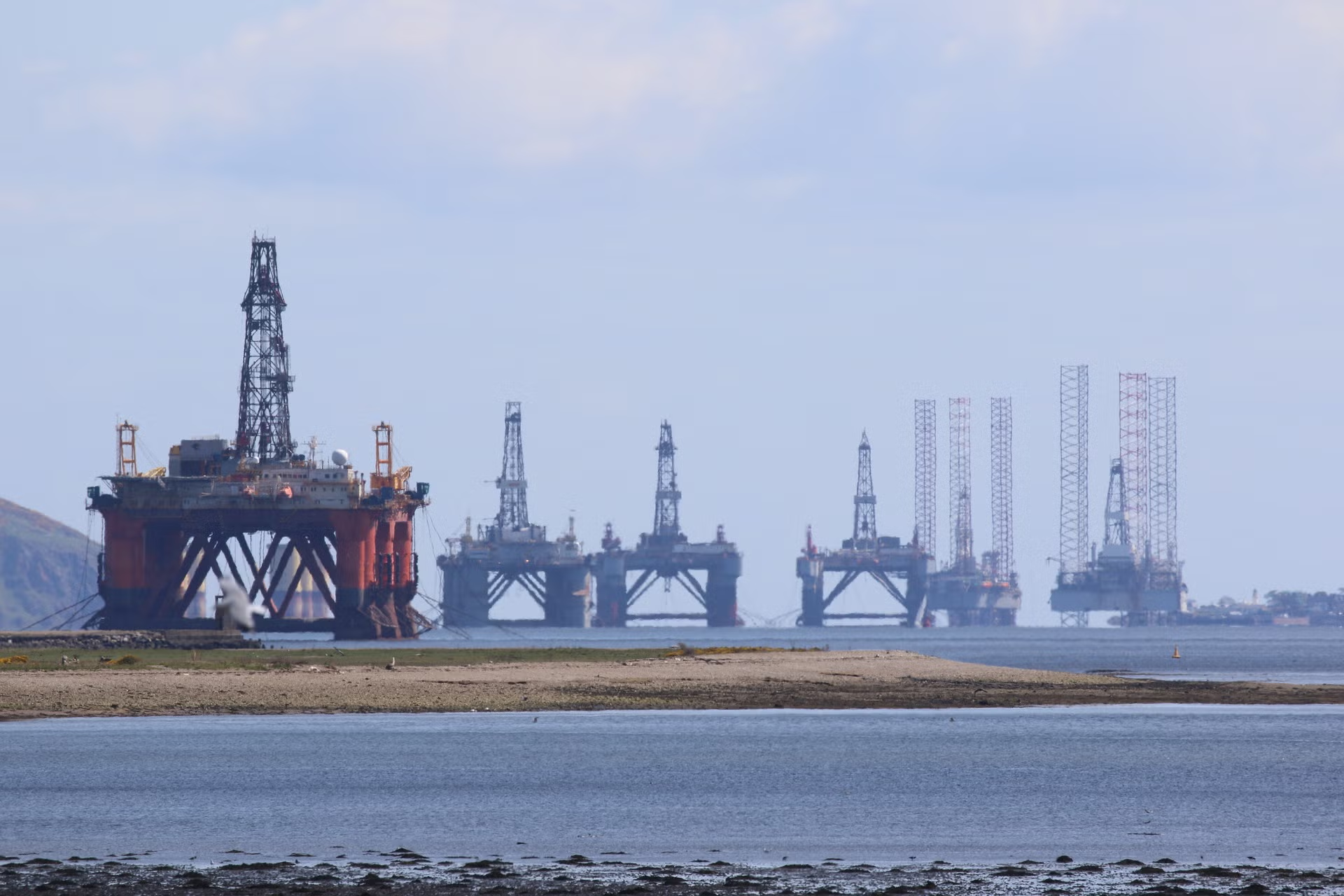
The Ugandan minister affirmed, saying: “For us, we are ensuring that we obtain oil and protect the environment simultaneously. We will not allow our environment to be harmed. We are working to obtain oil in a sustainable manner. We are using the best methods to protect the environment.”
It is worth noting that Uganda’s first oil production is scheduled to begin in July 2026, and the first shipment, to be exported via Tanzania, is expected in October, according to the government’s plan.
More details: