
Iran war’s fertilizer shock sets the stage for a slow-burning food inflation crisis. The war in Iran has restricted the supplies of fertilizers, but the impact of the shortage can take as long as 15 months to feed through to peak pain.
A sharp and sustained surge in fertilizer prices, driven by the closure of the Strait of Hormuz and the curtailment of Middle Eastern gas production, is set to drive a wave of food inflation that will arrive gradually but persist long after a ceasefire — with its heaviest burden falling on the economies least equipped to bear it.
That is the central conclusion of a note published by Capital Economics, which warns that while the fertilizer shock will not approach the severity of the price spike that followed Russia’s invasion of Ukraine in 2022, its macroeconomic consequences will be most acute in lower-income emerging markets across Sub-Saharan Africa and South Asia, where the combination of large agricultural sectors, high food weightings in consumer price baskets and fragile external positions creates compounding vulnerability.
The nitrogen fertilizer shock
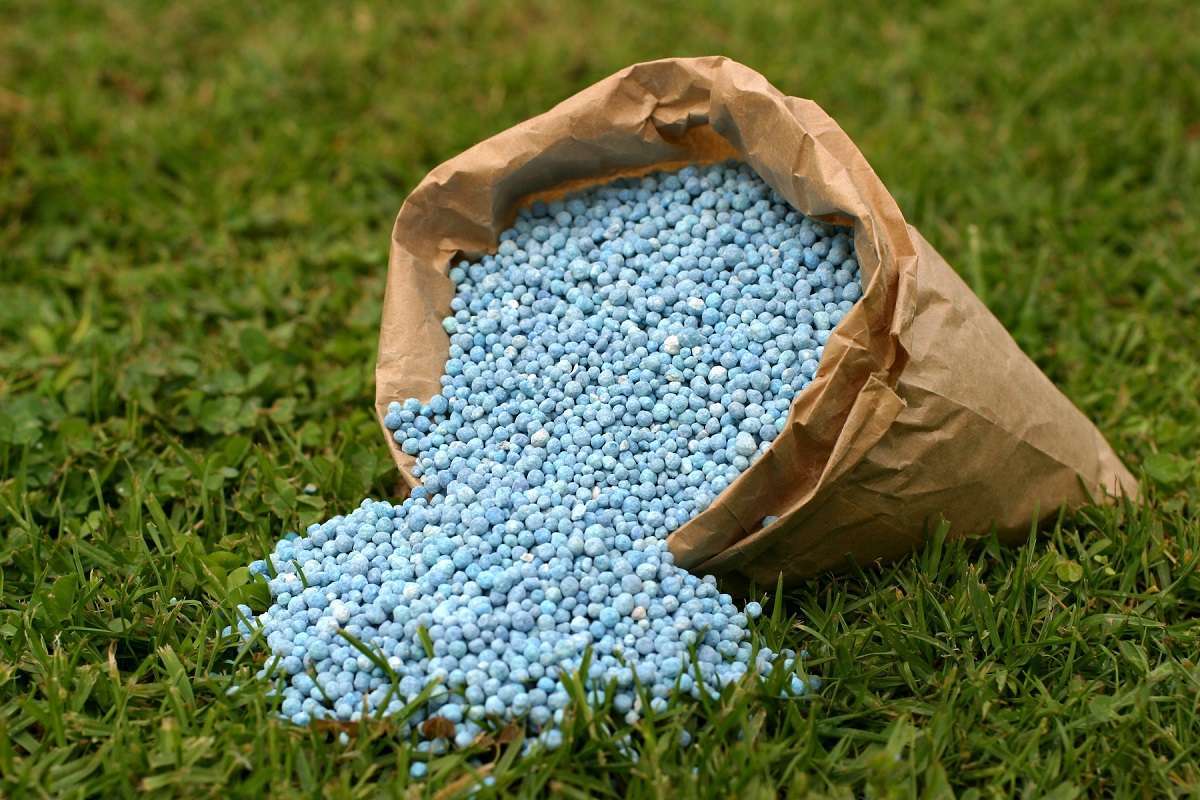
The arithmetic of the fertilizer shock begins with natural gas. Inorganic fertilisers are typically divided into three categories based on their primary macronutrient: nitrogen, phosphorus and potassium, or potash. Of these, nitrogen-based fertilizers are by far the most exposed to events in the Persian Gulf, because their production is highly energy intensive and relies on natural gas as a direct feedstock.
Read also: India Increases reliance on nano fertilisers with a new step
The price of urea — the world’s most widely used nitrogen fertilizer — jumped to around $700 per metric ton, from $400 to $490 before the war began, according to analysts working in the sector. Capital Economics estimates the overall increase at more than 50% since hostilities began — a reflection of two compounding factors: the energy intensity of nitrogen fertiliser production and the fact that approximately 15% of global nitrogen fertiliser output originates within the Middle East itself.
“We have seen Iranian production shut off. They shut down their gas fields as a precautionary measure. That means their nitrogen production goes offline. Israel did the same to their gas field. So, they’re not a nitrogen manufacturer, but Egypt relies a lot on them. They’re the fourth-largest exporter in the world. They had to shut down their production. So, we lost numbers three and four for global exporters and very quickly because of these strikes,” said Josh Linville, vice-president of fertilizers at StoneX.
Egypt and Iran together accounted for almost 20% of global urea trade last year, according to Chris Lawson, head of fertilizers at consulting firm CRU Group.
Read also: Elgabaly: Egyptian Arab Alliance company aims to localize potato seed production (Exclusive)
QatarEnergy has also announced a halt to downstream urea production following its decision to suspend LNG output after Iranian strikes on its Ras Laffan facilities. China, meanwhile, has moved to restrict fertilizer exports to protect its domestic supply, removing another potential source of relief from the market.
Qatar’s gas
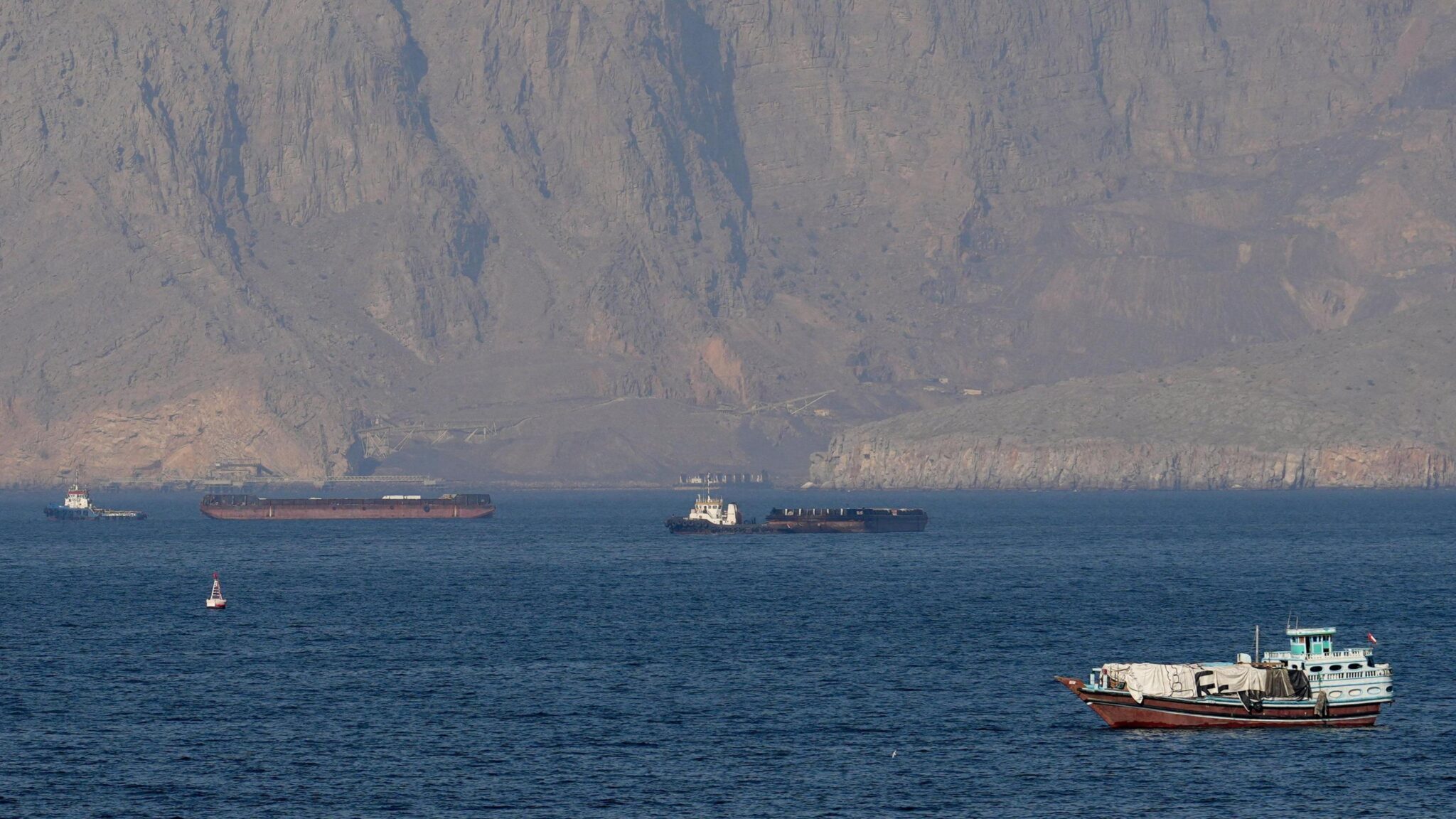
Capital Economics warns that the damage to Qatar’s gas infrastructure means supplies of nitrogen-based fertilizers will not return to normal as soon as the Strait of Hormuz reopens — a point that distinguishes this shock from a simple logistics disruption.
Other fertilizer categories, including phosphate and potash, are less energy intensive and less directly exposed to Middle Eastern supply chains, though phosphate production does use sulphur, a meaningful share of which originates from the region, and their prices have also risen.
Read also: Why US farmers will abandon corn farming after the Iran war?
A survey by the American Farm Bureau Federation found that 70% of US farmers say the price of fertilizer has grown so high that they will not be able to afford all they need for the 2026 planting season.
More details: