

Extreme heat events currently threaten the livelihoods and health of over a billion people, causing half a trillion work hours to be lost annually, with the prospect for damage food production, and could kill farmers.
The frequency, intensity and duration of extreme heat events have risen sharply over the past half century, with worrying impacts on agrifood systems and landscapes, according to “Extreme heat and agriculture,” a new report from the Food and Agriculture Organization of the United Nations (FAO) and the World Meteorological Organization (WMO) that Food & Climate received today.
Extreme heat refers to situations where daytime and nighttime temperatures rise above their usual ranges for a protracted period, leading to physiological stress and direct physical damages to food crops, livestock, fish, trees and human beings.
The report examines how extreme heat ripples through agricultural systems and how heatwaves can interact with other climatological variables, including rain, solar radiation, humidity, wind and drought – to trigger compound effects that wreak havoc on individuals and entire ecosystems.
The impact of extreme heat on the lives of livestock and poultry

Rising average global temperatures and more frequent and intense extreme heat events narrow the “thermal safety margin” species rely on for biological processes that support photosynthesis, cellular regeneration, reproduction and ultimately staying alive.
Read also: Raspberry prices in U.S. Soar amid Iran war and heatwaves
Extreme heat intensity roughly doubles at 2 degrees Celsius of global warming, and quadruples at 3 degrees, relative to 1.5 degrees increase in average global temperatures, according to the report.
For the most common livestock species, stress begins at above 25 degrees Celsius, and a bit lower for chickens and pigs, which are unable to cool themselves by sweating. Above that threshold, animals begin to suffer, initially seeking shade, drinking more water, eating and moving less, while if exposure persists, they begin to suffer from digestive tract breakdowns, organ failure and cardiovascular shock. Even when not lethal, extreme heat reduces dairy yields as well as fat and protein content – which inter alia worsens the carbon footprint of animal-sourced foods.
Read also: Heading for super El Niño
Fish can suffer cardiac failure as they struggle to maintain elevated respiration rates in waters where extreme heat events drive dissolved oxygen levels lower. In 2024, 91% of the global ocean experienced at least one marine heatwave.
Above 30 degrees Celsius
For most major agricultural crops, yield declines begin to occur above 30 degrees Celsius –lower for some crops such as potatoes and barley – leading to weakened cell walls, sterile pollens and the production of toxic oxidative compounds. Under extreme temperatures rates of tree photosynthesis and respiration diverge, creating an energy imbalance, resulting in reduced growth and less carbon removal from the atmosphere. Evidence points to a strong correlation between heat waves and wildfires, with longer and more intense fire seasons.
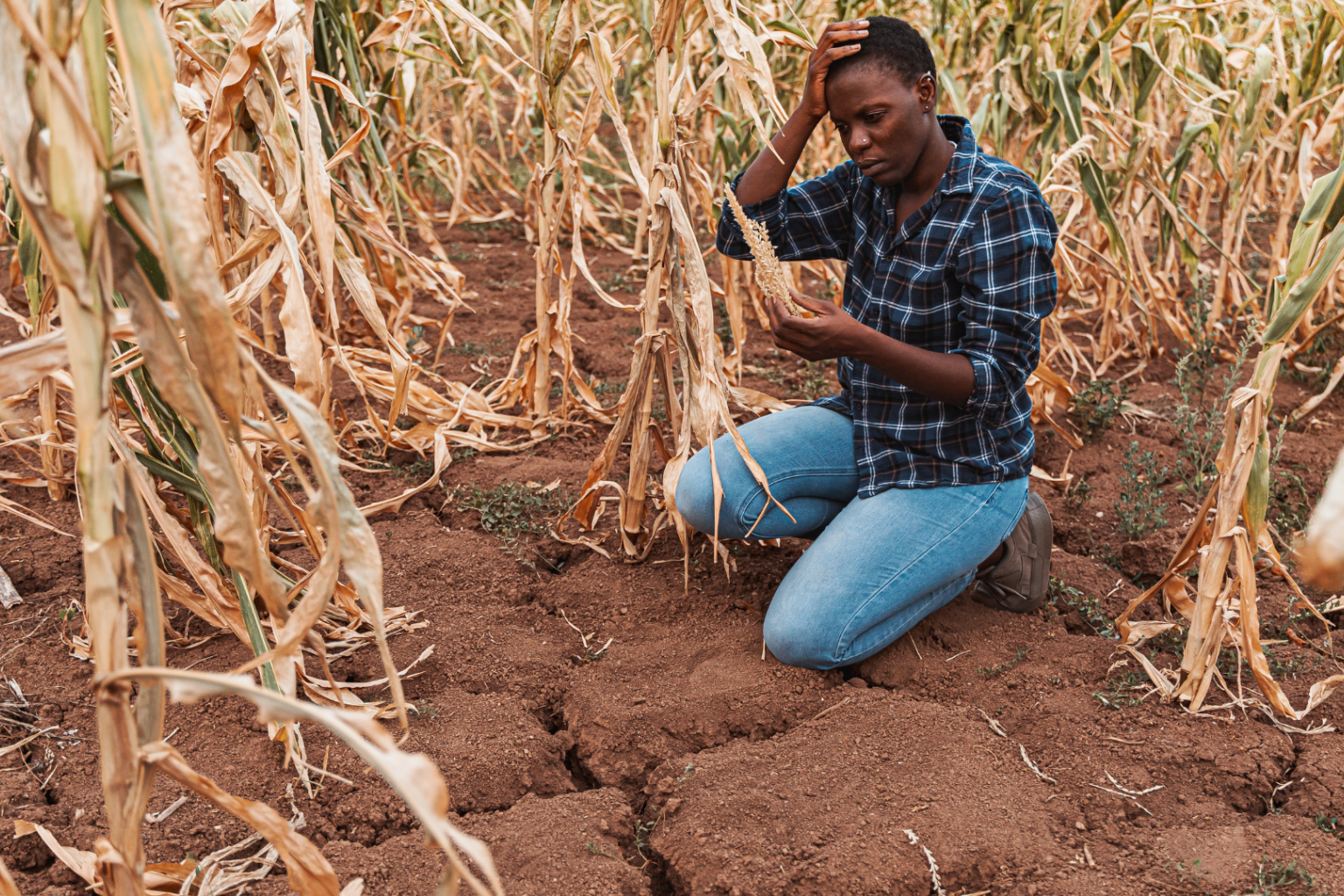
Critically extreme heat also takes a toll on humans, especially agricultural laborers, for whom it can be fatal. The number of days each year when it is simply too hot to work may rise to 250 in much of South Asia, tropical Sub-Saharan Africa and parts of Central and South America, according to the report.
Read also: 85% of the world wildfires was in Africa over the past two decades
Numerous case studies are presented in the report, including that of a monumental heatwave covering 3 million square kilometers in North America in 2021, when peak temperatures rose to four standard deviations above normal, leading to major yield drops in fruit orchards and Christmas tree plantations and a calamitous spike in forest fires. Remote sensing analysis and ground surveys revealed multiple feedback loops were activated, such as dry soil conditions exacerbating the heating effect of solar radiation.
More details: