

The Egyptian Arab Alliance for Seeds Production Company aims to localize potato seed production and export, according to Eng / Abdelsalam Elgabaly, Chairman of the Board of International co. for Agricultural Crops, the main partner in the company.
Elgabaly, who also serves as Assistant Secretary-General of the Future of the Nation (Mostakbl Watn) Party in Daqahliya, stated in an exclusive interview with (Food & Climate) that the company is currently preparing to finalize agreements with the Uzbek government to export approximately 2,000 tons of potato seeds this year (2026), in cooperation with the Agricultural Research Center.
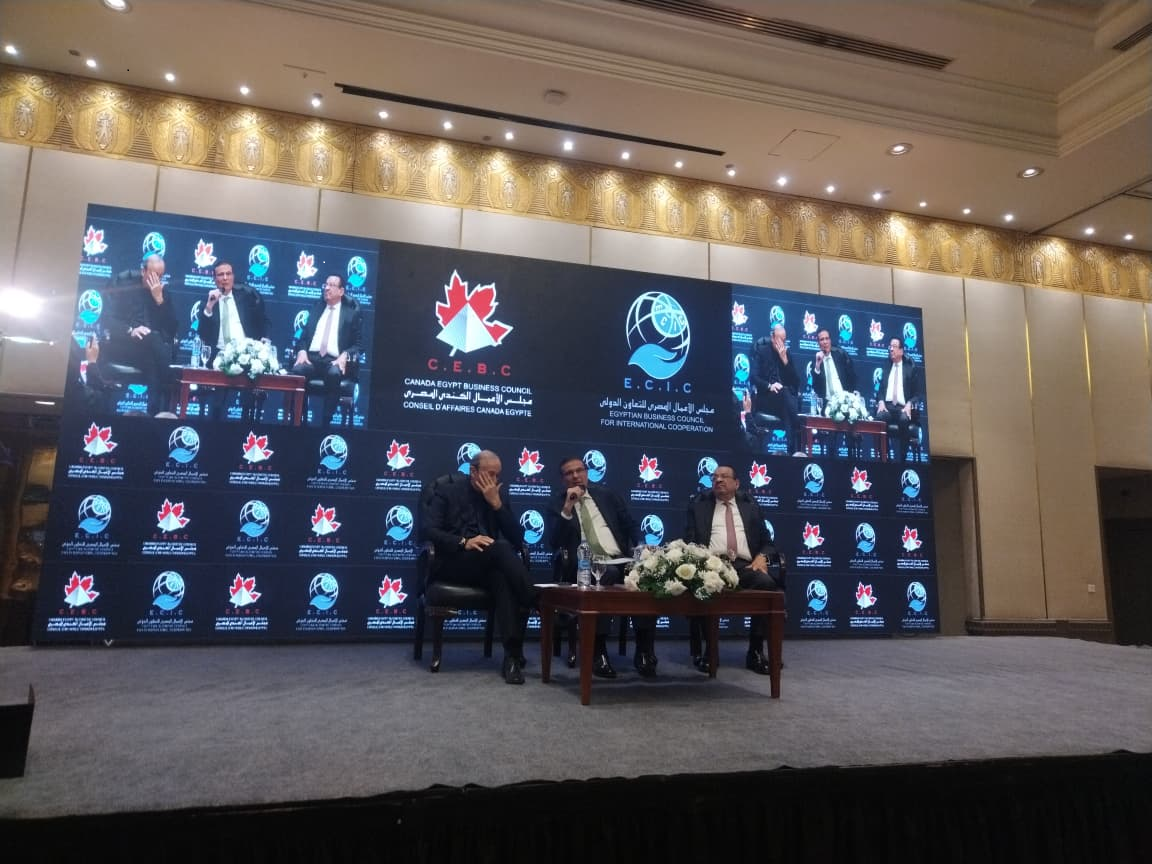
The Egyptian Arab Alliance Company was established by the Ministry of Agriculture, represented by its Agricultural Research Center, in partnership with a group of local private sector investors and a Dutch company, according to statements made by Minister of Agriculture Alaa Farouk during a recent meeting with the Egyptian-Canadian Business Council in Cairo.
Potatoes are among the most important strategic crops in Egypt, for both domestic consumption and export.
Potato seeds represent one of the most significant challenges in agricultural supply chains, given their reliance on imports.
During the 2025/2026 agricultural season, Egypt imported approximately 110,123 tons of potato seeds, compared to 128,893 tons in the previous season, a decrease of 14.6%, according to data from the country’s Agricultural Quarantine Authority.
Egypt is giving considerable attention to increasing potato and vegetable seed production, and therefore encourages such projects to support food security. “This food security will not be achieved without local food production,” Farouk stated.
Read also: Germany supports Egyptian potato production with technology (Exclusive)
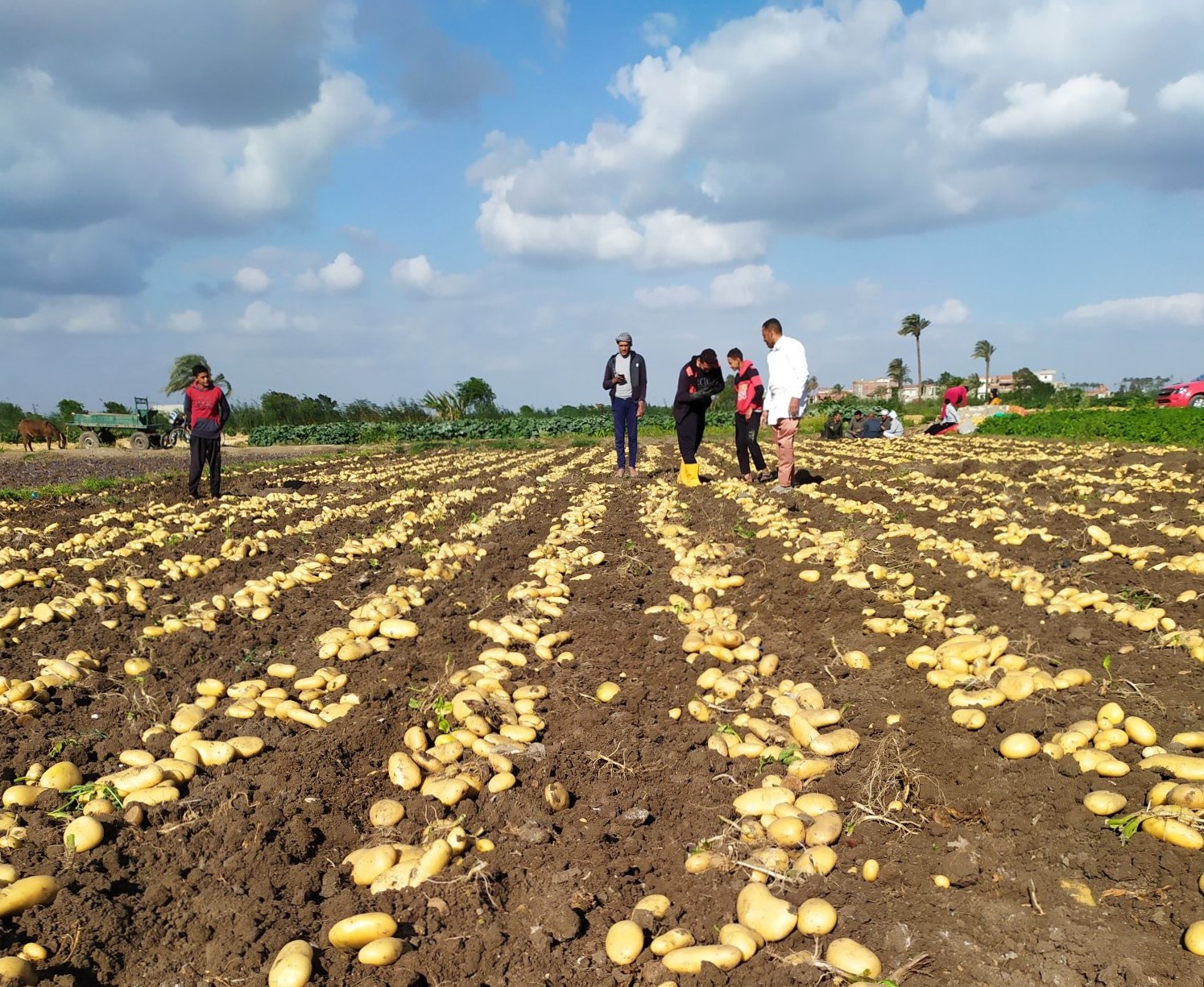
Farouk explained that seed production in Egypt through the Ministry is insufficient. “Therefore, we adopted two very important projects: the vegetable seed project, which the Ministry has been working on independently with the Agricultural Research Center since 2021,” he said.
The second project is the potato seed project—referring to the Arab Alliance Company—”and due to delays in their implementation, we resorted to partnering with the private sector.”
He added: “We hope to reach 70% of Egypt’s seed production needs.” The minister explained that Egypt faces a challenge in vegetable seed production, importing more than $280 million worth of seeds annually.
He continued, “For this reason, we discussed the matter with the private sector, and the president is very keen on achieving self-sufficiency in vegetables. Therefore, we started and established the company, set up its headquarters, and began cultivation even before its official establishment. This was thanks to the group of participating investors; the private sector moves quickly and has the capacity to operate efficiently and with greater freedom than the public sector.”
The vegetable seed company was established with contributions from the Agricultural Research Center, the Future of Egypt Development Authority, the National Company for Protected Agriculture, the Agricultural Bank of Egypt, and a group of private sector companies.
He said, “Today, we have a large group of investors interested in contributing to this company, but we want to establish the company first and then study these applications.”
Read also: The privatization of water companies in Egypt, Pedro Arrojo-Agudo warns
Food & Climate met with Elgabaly on the sidelines of the Minister of Agriculture’s meeting at the Egyptian-Canadian Business Council and conducted the following interview with him about the Egyptian Arab Alliance Company:
What is the goal of establishing the Egyptian Arab Alliance Company?
The Egyptian Arab Alliance Company aims to localize potato seed production in the country, starting from the earliest stages of production.
“We begin with the G-Zero stage, which is the production of what are called ‘mini-tuber’—seeds produced in laboratories using tissue culture and aerobic propagation techniques, and are the first in the seed multiplication chain.
Then we work on multiplying them locally, which will contribute to gradually reducing the import bill.”
What is the current production volume and expansion plans?
The company currently owns about 36,000 acres in the New Valley region and produces approximately 4,000 tons of potato seeds.
We aim to meet 25% of Egypt’s potato seed needs by 2030.
Potato seed production takes a long time, so it was important to start implementing the project early.
“We had to start quickly, and we are working in parallel to complete the next phases of the project.”
We also draw on international expertise from several countries, such as Korea, China, and the Netherlands. We import the basic seeds and propagate them within Egypt with the help of these experts to ensure the quality of the produce.
Does the Egyptian Arab Alliance Company target only the local market?
We target both the local and international markets. The company doesn’t limit itself to meeting the needs of the local market; it also seeks to expand its exports.
Therefore, the company produces potato seeds suitable for foreign markets, and we are currently preparing to sign agreements with the government of Uzbekistan to export approximately 2,000 tons this year, in cooperation with the Agricultural Research Center.
Our primary goal is to achieve self-sufficiency and reduce dependence on imports, but at the same time, we are working to open export markets to enhance the sustainability of the project and its economic returns.