Food & Climate
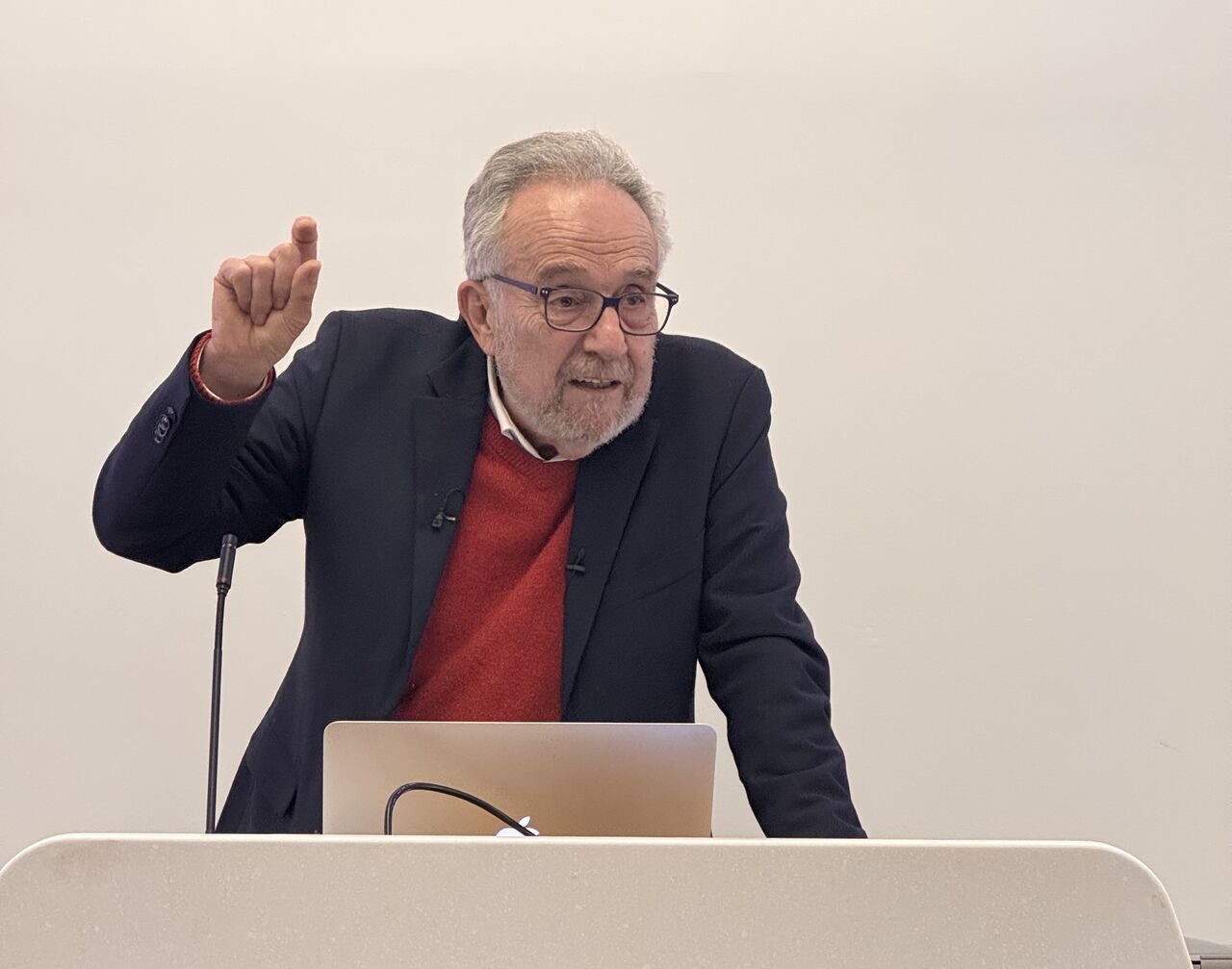
The UN Special Rapporteur on the human rights to safe drinking water and sanitation, Pedro Arrojo-Agudo, warned against the privatization of water companies in Egypt, saying it poses risks to consumers, especially vulnerable groups.
Arrojo-Agudo made these remarks during a press conference held in Cairo on Tuesday, February 17, 2026, at the conclusion of an official visit to Egypt that began on February 8, at the invitation of the government.
Arrojo-Agudo stated that a recently issued law could pave the way for the privatization of water companies in Egypt, “but it is a dangerous step in my view.”
In May 2025, the House of Representatives announced its preliminary approval of a government-proposed bill to “regulate the drinking water and sanitation sector.
The approval report indicated that the bill reinforces the state’s direction towards encouraging investment and private sector participation in infrastructure projects, in accordance with constitutional and legal controls that safeguard Egyptian national security and ensure improved quality of services provided to citizens. However, in response to a question from Food & Climate regarding the possibility of privatization under strict conditions to protect consumers, Arrojo-Agudo said: “It’s possible, but my experiences around the world with the privatization of water companies show that it hasn’t worked that way. The power of these huge international companies operates on the logic of profit, not human rights or sustainability. Private companies only think about profits, so in my view, water management shouldn’t be driven by a business logic.”
He continued: “There’s a section in the report, which will conclude next September, that will address the democratization and governance of water and the need to avoid treating it as a commodity.”
Two warnings against privatizing water companies in Egypt and exporting water
Pedro Arrojo-Agudo also warned against the privatization of water companies in Egypt, cautioning against exporting water by pumping large quantities to companies investing in desert reclamation and agriculture for the purpose of exporting agricultural produce.
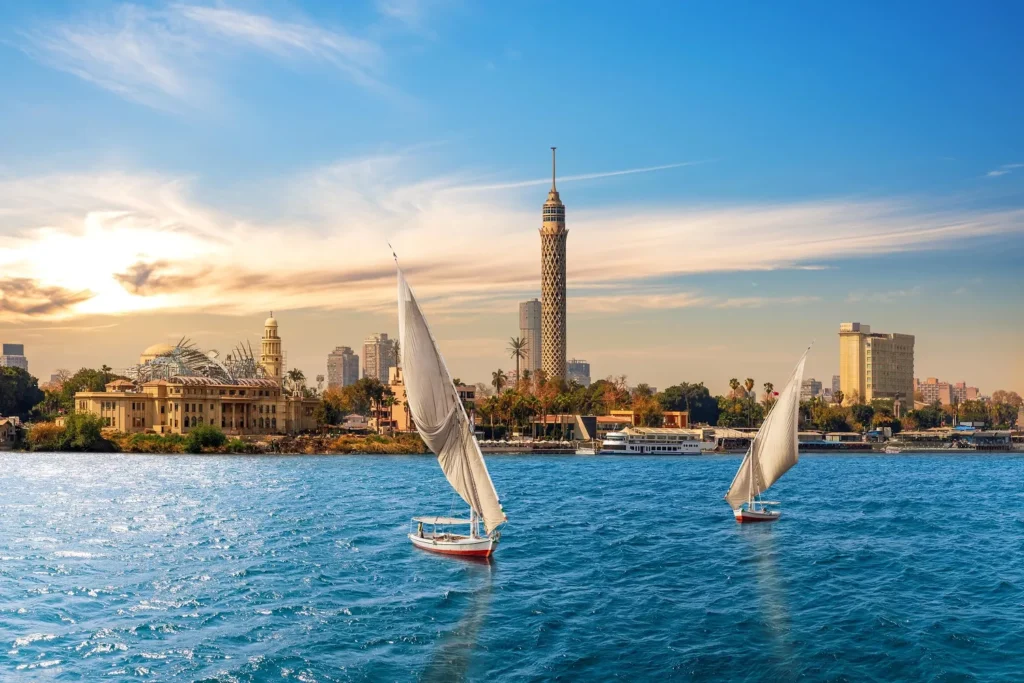
He said, “While Egypt suffers from water scarcity and the Nile Delta region is experiencing increased salinity, large quantities of water are being pumped into the desert, even though it should remain in the ancient areas of the Nile Delta. These companies direct their production towards export, a recurring practice that occurs in my country, Spain, for example.”
He explained that keeping the water in the Delta preserves its ability to function as a natural water reservoir, protecting it from increased salinity and mitigating flooding caused by rising sea levels, a phenomenon of climate change.
He also called for reducing the use of fertilizers, which would contribute to lowering water pollution, in addition to protecting water from industrial waste.
Who is Pedro Arrojo-Agudo?
Pedro Arrojo-Agudo is the Special Rapporteur on the human rights to safe drinking water and sanitation. He was appointed by the Human Rights Council in September 2020 and started his mandate on 1 November 2020.
Previously, from 2016 to 2019, Arrojo-Agudo served as an elected member (MP) of the Spanish Parliament during its eleventh and twelfth legislature, during which he was part of the International Cooperation Committee working on human rights. Arrojo-Agudo was Professor in the Area of Fundamentals of Economic Analysis at the University of Zaragoza (1989-2011), and has been professor emeritus since 2011.
In 2002, Arrojo-Agudo co-founded the New Water Culture Foundation (NWCF), an Iberian non-profit organization with more than 200 members from academia, public administration and stakeholders in the water sector, which aims to promote a change towards a new water culture. The NWCF focuses particularly on human rights, transparency and public participation in water and aquatic ecosystems management and planning. As the President of the NWCF, he coordinated the first two Iberian Congress on Water Planning and Management (held in Zaragoza in 1998 and in Oporto in 2000) and the Latin American Conference for the New Culture of Water (held in Fortaleza, Brazil, 2005).
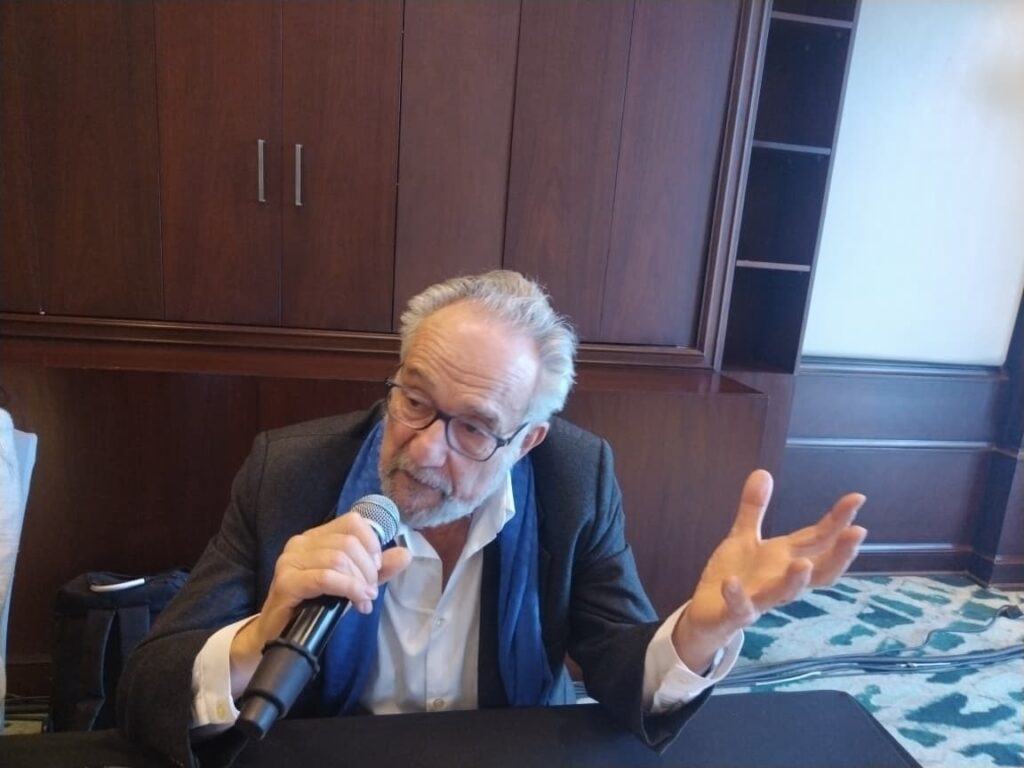
In 2003, Arrojo-Agudo was awarded the Goldman Environmental Prize for his contributions to conservation of water ecosystems and his involvement in water conflicts that affect human rights of communities in vulnerable situations. From 1997 to 2010 he was a member of the Spanish Scientific Committee of the UNESCO Man and Biosphere Program (MAB).