Food & Climate
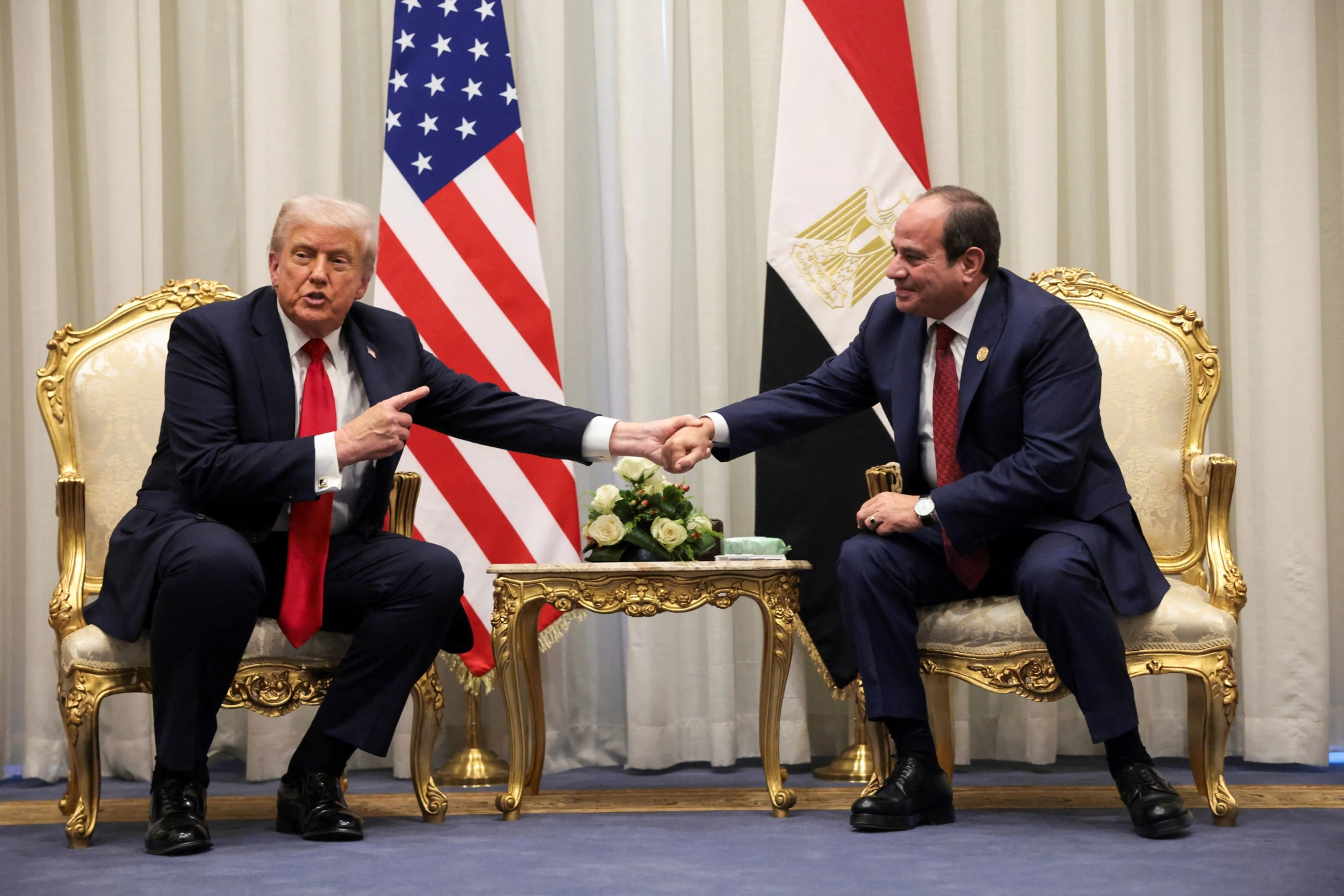
US President Donald Trump’s offer to mediate in the Grand Ethiopian Renaissance Dam (GERD) crisis between Addis Ababa on one side, and Egypt and Sudan on the other, has been met with widespread official and popular approval, as well as considerable debate, raising numerous questions, most notably: What does Trump want in return for this mediation?
Trump sent a letter to Egyptian President Abdel Fattah al-Sisi, thanking him first for his efforts to achieve a ceasefire in Gaza, and offering his readiness to resume mediation between Egypt and Ethiopia to resolve what he termed the Nile water sharing issue.
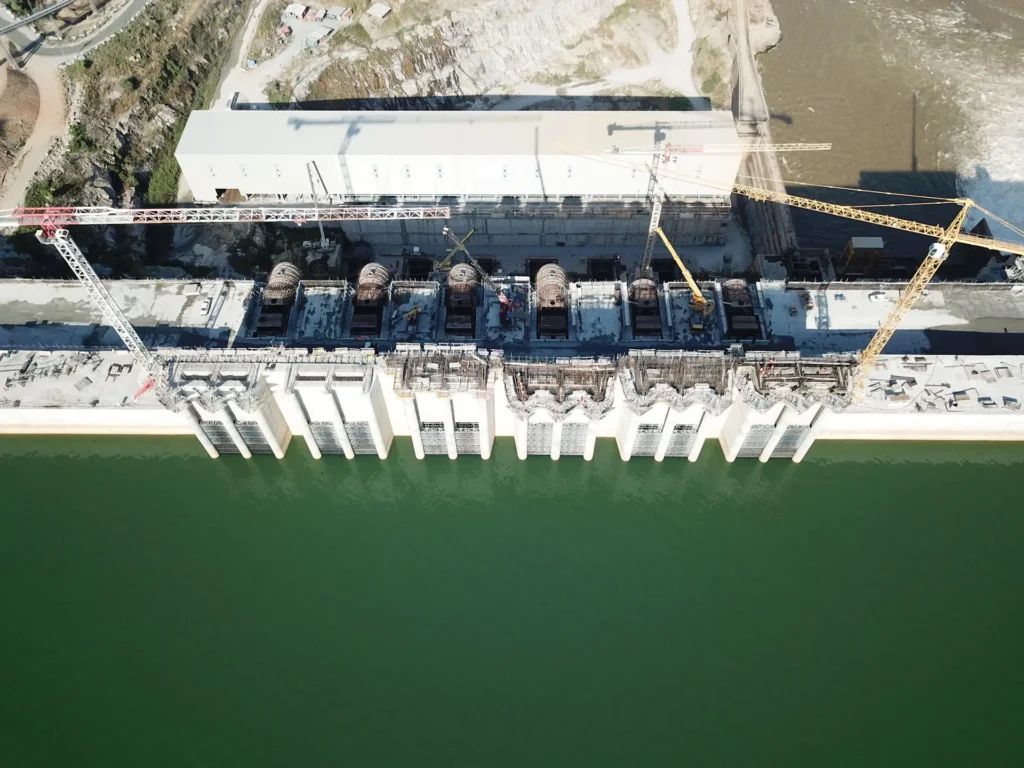
Ethiopia inaugurated the GERD in September 2025, amidst ongoing Egyptian and Sudanese protests against Addis Ababa’s unilateral actions regarding the dam’s construction and filling. These events have been covered extensively by the Food & Climate in several reports.
The downstream countries (Egypt and Sudan) fear the impact of the Grand Ethiopian Renaissance Dam (GE on their share of the Nile River’s water, at a time when Cairo suffers from water scarcity and relies on the Nile for more than 95% of its water needs.
The greatest concern for Egypt and Sudan is the sharing of the Nile’s water during periods of drought, especially since Cairo is one of the world’s most drought-prone countries.
Construction of the GERD began after the signing of the Entebbe Agreement in 2010, also known as the “Cooperative Framework for the Nile Basin.”
The Entebbe Agreement establishes a legal framework for resolving disputes and conflicts, effectively ending the historical water shares of Egypt and Sudan and mandating a redistribution of water. It also allows upstream countries to develop water projects without the consent of downstream countries, a provision that Egypt and Sudan have thus far rejected.
Egypt announces its first impact from the Renaissance Dam
Egypt announced for the first time that it has been affected by the GERD, with the Minister of Water Resources and Irrigation, Hani Sweilem, revealing the damage already inflicted on the country. “It’s caused by the Ethiopian dam, and just because citizens haven’t noticed it doesn’t mean it doesn’t exist.”
During his address to the Senate’s general session on Sunday, January 18, 2026, Sweilem stated: “Of course there is harm, When your water share is reduced, that is harm.”
He added: “The fact that farmers haven’t felt the crisis yet is due to the state’s efforts and significant investments in the water sector. Ethiopia will inevitably have to pay compensation one day for the billions of dollars in costs Egypt has incurred to address its water shortage.”
Just one day before Sweilem’s remarks, the US president had sent his surprise message regarding the Grand Ethiopian Renaissance Dam, the most important point of which was: “I am prepared to resume mediation between Egypt and Ethiopia to resolve the issue of sharing the Nile waters responsibly and definitively.”
He added: “America affirms that no country in this region should unilaterally control the precious Nile resources and harm its neighbors in the process.”
Donald Trump continued in his address, saying: “I believe that with the right technical expertise, fair and transparent negotiations, and America’s active role in monitoring and coordinating among the parties, we can reach a lasting agreement for all the Nile Basin countries.”
“This successful approach will ensure the release of expected water quantities during droughts for Egypt and Sudan, while enabling Ethiopia to generate significant amounts of electricity that can be sold to the downstream countries”.
He added, “I sincerely hope that this perfectly understandable dispute over the Grand Ethiopian Renaissance Dam does not lead to a major military conflict between Egypt and Ethiopia.”
Commodifying Water
Several writers and intellectuals in Egypt have warned against the hidden intentions behind Trump’s offer to mediate the GERD crisis. While one of them emphasized that Trump is not a charity extending a helping hand without expecting anything in return, Egypt should seize the opportunity and secure US support in resolving this existential threat.
Another said, “Egypt is well aware of the motives behind Trump’s offer to intervene and resolve the GERD issue once and for all, and understands that this is far from being a benevolent act. Therefore, this offer must be approached with the utmost prudence.”
He expressed his opinion that Trump’s America seeks to undermine everything related to international law and the multilateral international order established after 1945, as well as the international agreements that preceded or followed it. After 1945.
He said that Trump wants to destroy international legal principles governing shared waters and river basins, such as the Helsinki Principles, in order to commodify water everywhere in the world and use it as bargaining chips in deals where developing countries will be the biggest victims.
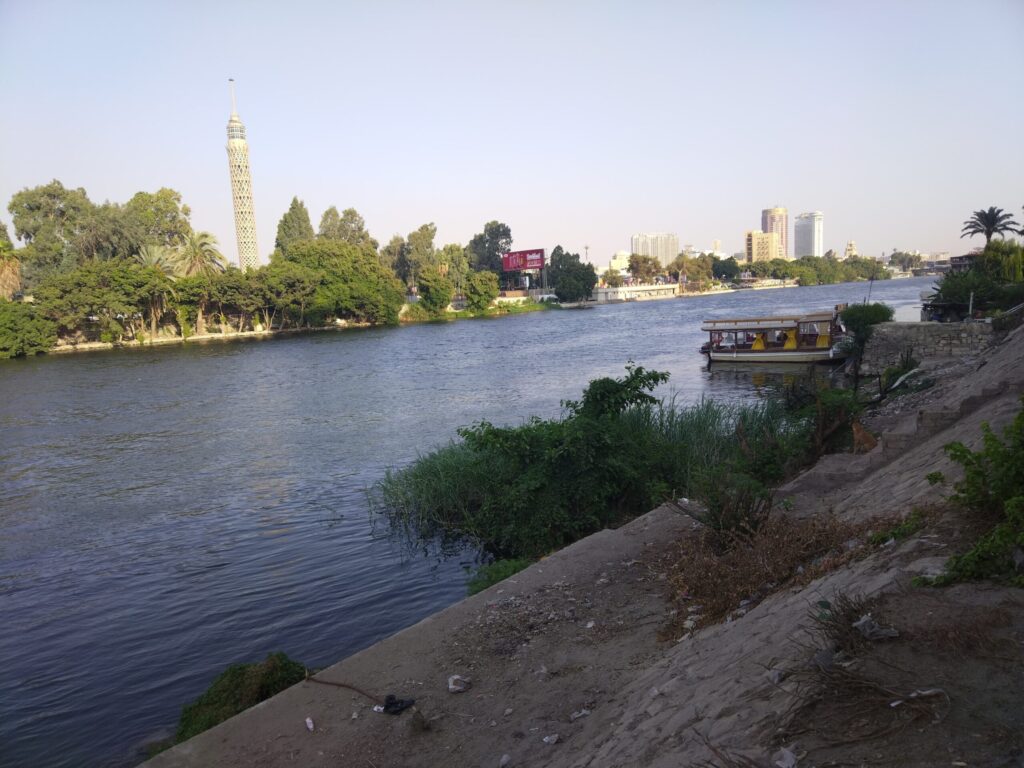
Meanwhile, former Minister of Irrigation Mohamed Nasr Allam called on Trump to support the right of Egypt, Sudan, and South Sudan to complete the Jonglei Canal, capture lost water, improve the environment, and encourage agricultural, industrial, and tourism investment around it for the benefit of South Sudan’s development.
He commented on Facebook: “All parties will benefit from the canal. It will protect Egypt from the scourge of water scarcity, prevent the Grand Ethiopian Renaissance Dam from harming its water situation, and open a new chapter of constructive cooperation between the Nile Basin countries and the US.”