
Food & Climate
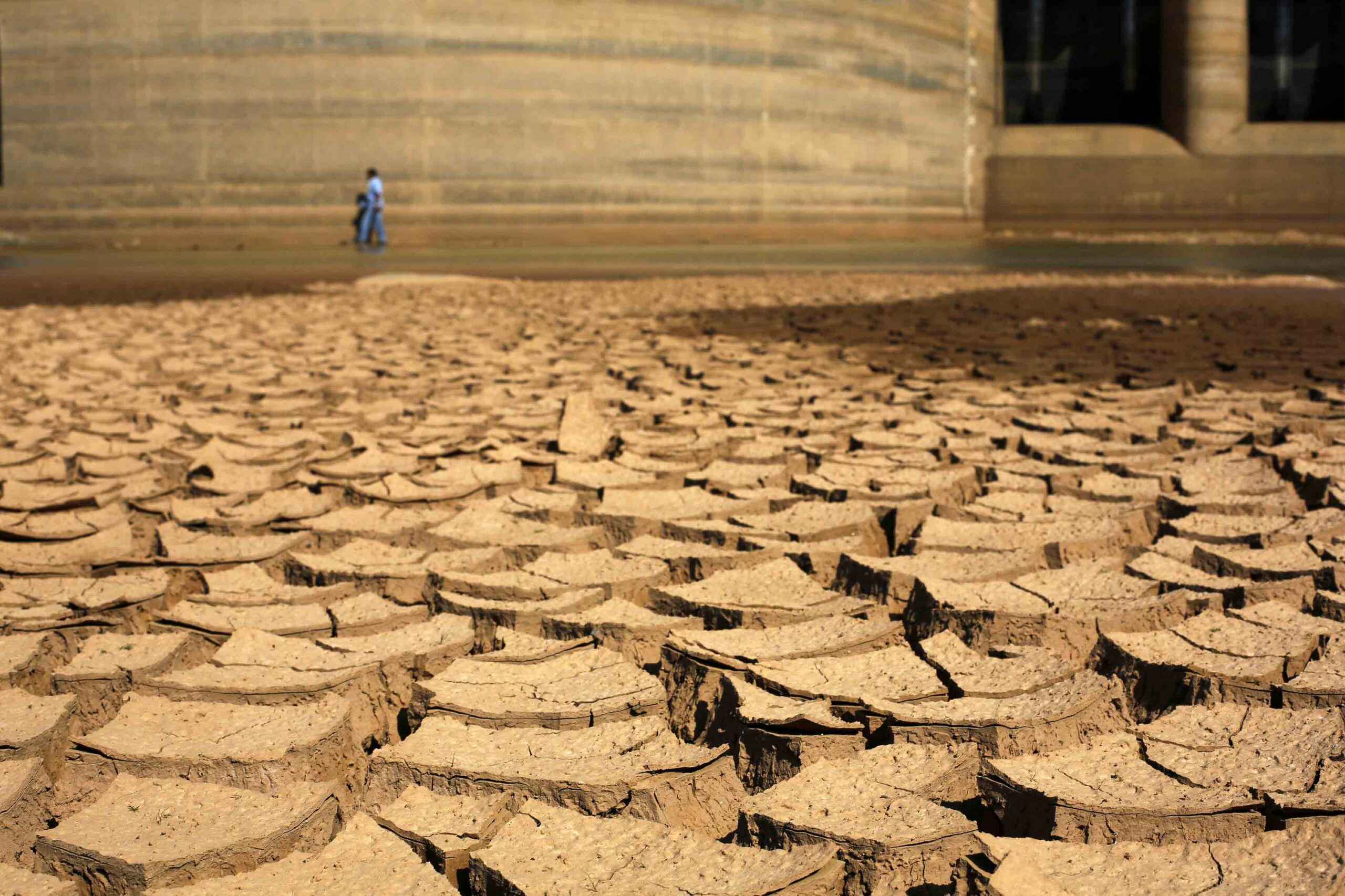
Climate change has exacerbated the Iran’s water crisis, which was largely caused by US sanctions, negatively impacting the country’s food security.
The US has imposed sanctions on Iran since the 1970s, and these sanctions intensified during President Donald Trump’s first term after withdrawing from the nuclear agreement and attempting to pressure Tehran to halt its ballistic missile development program.
Global warming and ice sheet melting pose serious threats to food security in the southern Iran, Ahad Vazifeh, the head of the Meteorological Organization, has warned, according to a report seen by Food & Climate.
One of the climate change’s major impacts is the rising sea levels, as in the Persian Gulf, which can lead to flooding in coastal areas.
If the sea level increases by one meter by the end of the century, coastal areas in Khuzestan, Hormozgan, and Bushehr will be affected by saltwater intrusion. Soil sanitation will endanger palm groves in the southern coasts, the official said.
The official went on to say that climate change also affects food security; it disrupts weather patterns and planting schedules, decreases agricultural production, damages soil, and declines marine production.
All these issues underscore the need for a change in policy and a move toward climate change adaptation, Vazifeh further noted.
How Iran’s water crises got here?
While droughts have made Iran’s situation worse, various studies and official reports show that the main causes are mostly related to policies and infrastructure.
The Islamic Republic’s long-standing commitment to agricultural self-sufficiency—complemented by necessity due to international sanctions—prioritized national food security over environmental sustainability. Crops such as rice, wheat, and sugar beet were promoted—even in areas unsuitable for high water consumption. Subsidized water pricing and low-cost energy encouraged excessive irrigation, depleting rivers and aquifers.
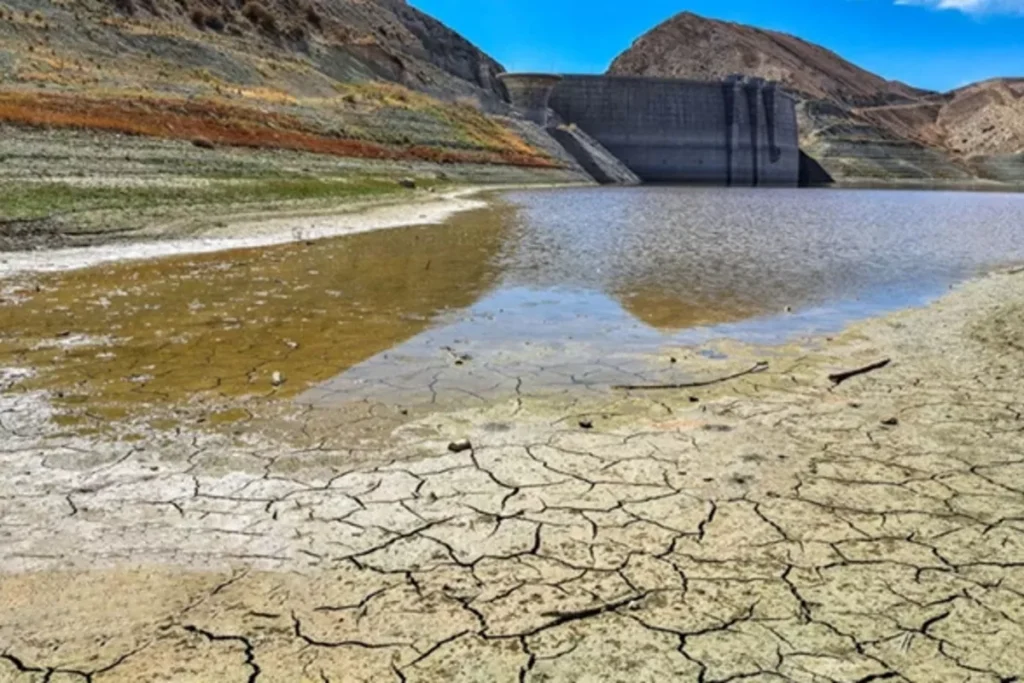
Urban and industrial expansion, with Iranian urbanization standing at approximately 77 percent, has further compounded pressures on water resources. The licensing of hundreds of thousands of wells, many lacking proper oversight, has accelerated groundwater extraction far beyond natural replenishment rates. In Tehran, ageing century-old water infrastructure, including the ancient underground qanat/kariz system, contributes to significant leakage, intensifying shortages even in years of normal rainfall.
In addition, Minister Ali Abadi has noted extraordinary factors—such as disruptions from regional conflicts, including the recent 12-day war with Israel—that have further exacerbated the capital’s water stress, prompting the introduction of a recently launched plan to move the capital closer to the more water-abundant Makran region along the Gulf of Oman.
In some areas, aquifers have fallen so drastically that land subsidence has become irreversible, damaging roads, buildings, and farmland. Policies intended to secure economic and national resilience instead produced resource overreach, leaving Iran highly vulnerable to both climatic variability and systemic infrastructure failures.
Climate Change as a force multiplier
Climate pressures intensify Iran’s water challenges. Higher temperatures increase evaporation from reservoirs and soil, while reduced snowpack diminishes spring melt feeding rivers.
Rainfall has declined by approximately 85% in critical areas, its increasing unpredictability posing serious challenges for both immediate and long-term water resource management. In response, Iran has turned to cloud seeding to induce rainfall, though results remain limited and inconsistent.
Extreme weather events, including heatwaves and sudden, localized flooding, further strain rural and urban water infrastructure while also threatening agricultural productivity and food security.
Iran cannot control these climatic drivers, but policy choices determine how severely they affect livelihoods and national security. Failures in governance and resource management amplify these trends, transforming natural variability into full-scale crises.
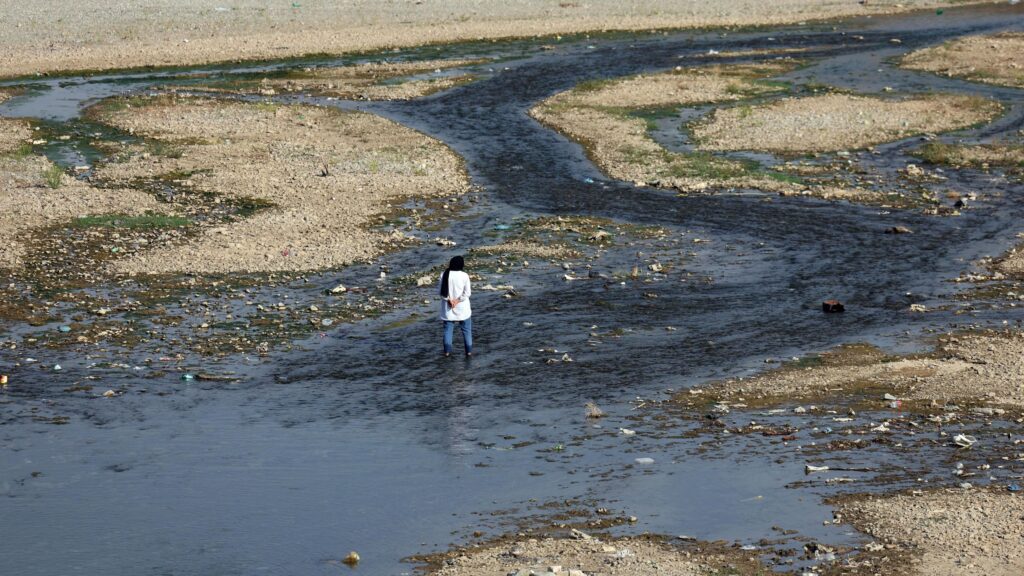
Without coordinated adaptation strategies—ranging from investment in resilient water infrastructure to sustainable agricultural practices—climate change acts as a multiplier for existing vulnerabilities, intensifying rural depopulation, urban water stress, and social unrest.
In this way, environmental shifts do not merely add pressure; they accelerate and exacerbate every underlying economic, political, and infrastructural challenge, according to Geo Political Monitor.