
The Food and Agriculture Organization of the United Nations (FAO) has warned of the impact of the closure of the Strait of Hormuz and called for the urgent resumption of shipping of vital agricultural inputs to avoid a sharp rise in food price inflation later in 2026, which could lead to a cascade of repercussions similar to those of the COVID-19 pandemic.
“Time is running out,” said Maximo Torero, FAO’s chief economist, in a comprehensive podcast published Monday, April 13, with David Laborde, director of the organization’s Department of Agrifood Economics.
He added that crop schedules make poor countries the most vulnerable to shortages and price hikes of fertilizers and energy inputs, according to a report received by Food & Climate.
The war situation in Iran and the situation in the Strait of Hormuz have become increasingly complex. Due to the failure of US-Iranian negotiations in Pakistan two days ago, US President Donald Trump imposed a blockade on all Iranian ports and completely closed the Strait of Hormuz starting today.
This has led to further complications and pessimistic forecasts regarding oil prices and the global fertilizer crisis.
Oil prices rebounded today after a significant drop last week, fueled by optimism surrounding the negotiations between Tehran and Washington and the two-week truce between the two countries.
The closure of the Strait of Hormuz is a major concern
“The last thing we want is lower crop yields, higher commodity prices, and food price inflation next year as a result of the closure of the Strait of Hormuz,” said Maximo Torero, senior economist at the FAO.
He indicated that this would likely force countries to implement policies to lower domestic food prices, leading to higher interest rates and a potential slowdown in global economic growth.
The FAO Food Price Index for March 2026 was relatively stable thanks to the abundance of most food commodities, particularly cereals. However, the pressures are increasing this April and will worsen in May.
Read also: Iran war pushes FAO Food Price Index higher in March 2026
“Farmers will be making decisions about whether to change their cropping patterns to adapt to fertilizer availability, and also whether to allocate more land and resources to biofuels to take advantage of higher oil prices, but these will come at the expense of global food supplies,” said Torero.
“We are facing an input crisis; we don’t want to make it a catastrophe. The difference lies in the actions we take,” added David Laborde, director of the FAO’s Department of Agri-Food Economics.
Avoiding restrictions on fertilizer and energy exports
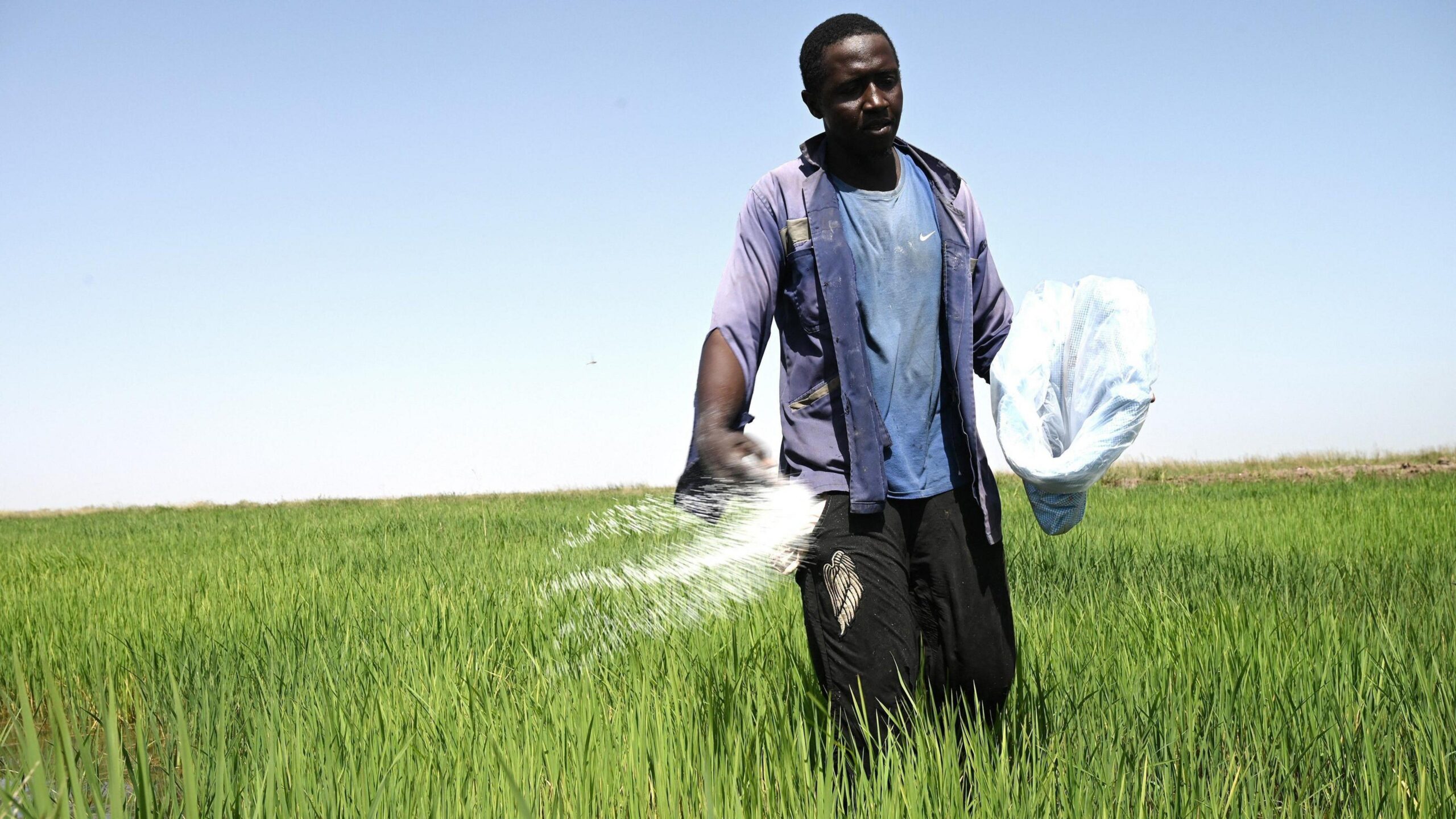
The FAO urged all countries to carefully consider biofuel mandates and, above all, avoid imposing restrictions on energy and fertilizer exports.
It said, “If the impasse in the Strait of Hormuz is not resolved quickly, proactive measures should be considered, particularly by asking multilateral institutions to provide financing to countries at risk of losing access to essential fertilizer inputs due to the start of their planting season.” Torero explained that the IMF’s balance of payments mechanisms and the Food Shock Window, which follows the Food Import Financing Mechanism proposed by the Food and Agriculture Organization in 2022, could be used to finance agricultural inputs. This would allow countries that need fertilizers today to obtain them quickly without creating unfair competition for subsidies.
The FAO has developed a system to prioritize countries based on the agricultural calendar, according to the timing and quantity of their fertilizer needs.
“The risks are very clear,” Torero said. “If we don’t accelerate the process, these risks will worsen.”
Agricultural food inputs
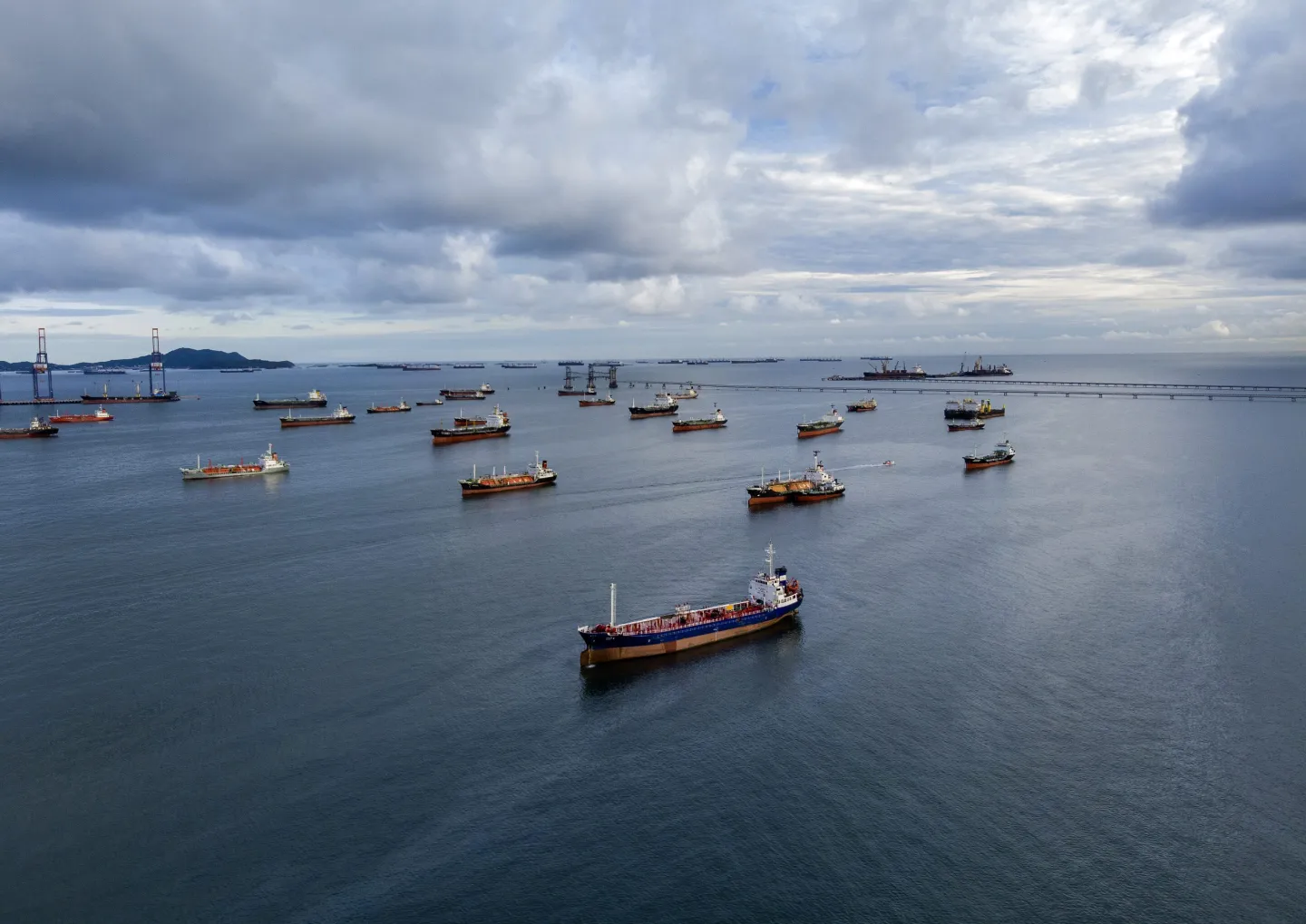
Between 20 and 45 percent of exports of major agricultural food inputs depend on maritime transport through the Strait of Hormuz.
If farmers rely on fewer inputs for production, harvests will be lower later this year and in 2027, with food commodity prices and retail food prices likely to rise over the next few years.
Most farmers are currently facing slim profit margins, and if they go bankrupt, the global food supply situation will worsen for an even longer period, according to the FAO report.
Trade and export restrictions have exacerbated food price spikes in past crises, as efforts to insulate local markets from global markets have worsened global conditions.
Fertilizer and energy markets are inelastic, so prices can rise much more than changes in trading volumes suggest.
Read also: British apple and pear growers, a two-week ceasefire in Iran comes too late
Markets are likely to react very quickly if ships are unable to pass through the Strait of Hormuz soon.
Unlike natural disasters or climate pressures such as El Niño, a blockade of the Strait of Hormuz is “something governments can, and should, resolve,” said Torero. The organization said: “The risks today are much greater than they were in 2022, and conditions are ripe for a major catastrophe if the current situation is affected by a strong El Niño phenomenon that matches or surpasses the COVID-19 crisis.”
More details: