
The FAO Food Price Index (FFPI) in March 2026, up 2.4% from its revised February level, marking a second consecutive month of increase, due to the war in Iran.
Price indices across all commodity groups—cereals, meat, dairy, vegetable oils and sugar—rose to varying degrees, reflecting not only underlying market fundamentals but also responses to higher energy prices linked to the conflict escalation in the Near East.
Compared to historical levels, the FFPI stood 1.0% above its value a year ago but remained as much as 19.8% below the peak reached in March 2022.
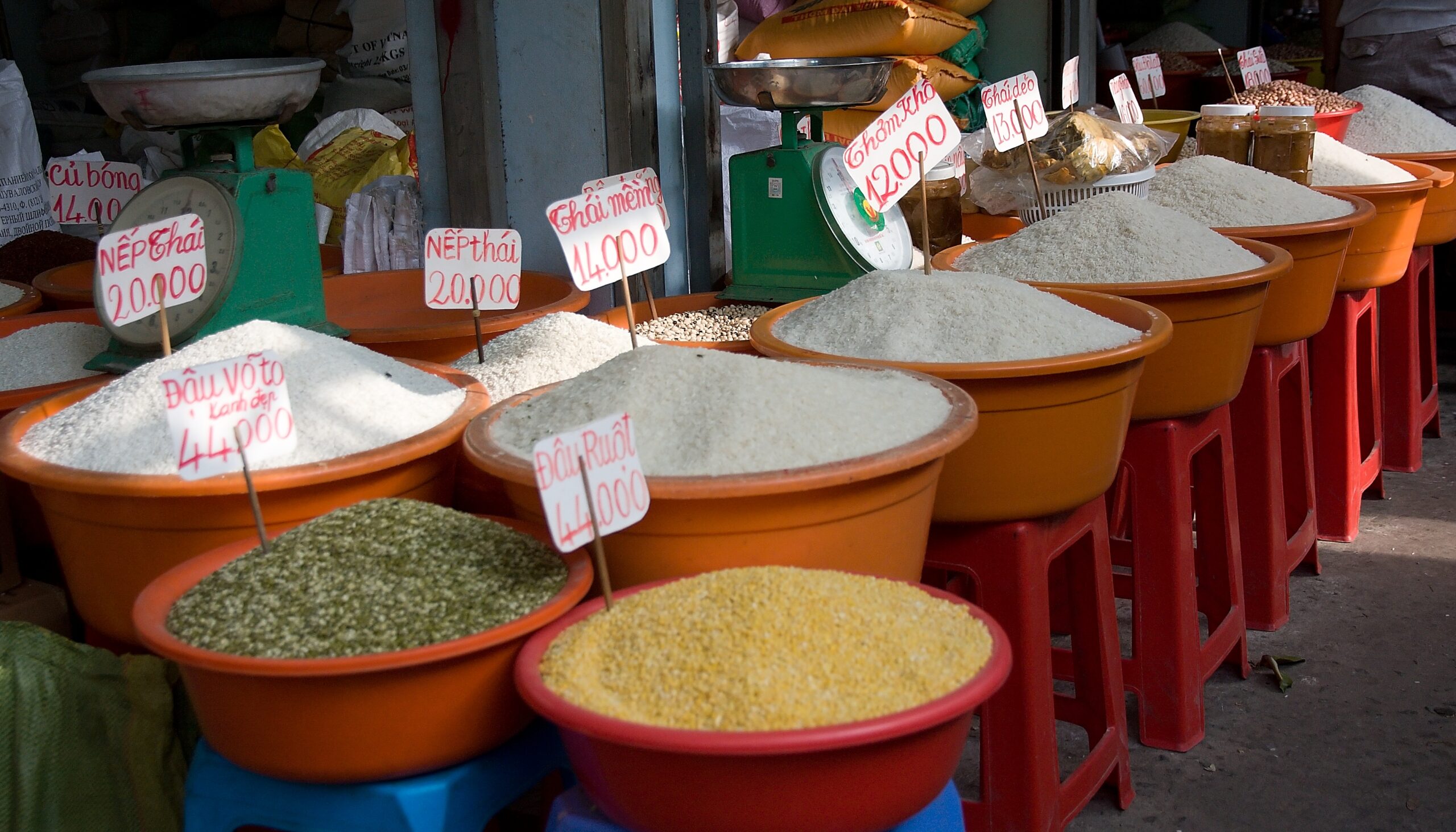
The FAO Cereal Price Index
The FAO Cereal Price Index up 1.5% from February and 0.6% from its year-earlier level.
The increase reflected higher quotations for all major cereals except rice. International wheat prices rose by 4.3 %, supported by deteriorating crop condition ratings in the U.S. amid drought concerns and expectations of reduced plantings in Australia in response to anticipated higher fertilizer costs.
World maize prices increased by only 0.9%, as ample global availability continued to weigh on markets, despite some support from fertilizer affordability concerns ahead of northern‑hemisphere planting and indirect support from improved ethanol demand prospects linked to higher energy prices. Prices of barley and sorghum also increased.
By contrast, the FAO All Rice Price Index declined by 3.0% in March 2026, reflecting price decreases across all major market segments, driven by a combination of harvest pressure, weaker import demand, and currency depreciations against the United States dollar.
The FAO Vegetable Oil Price Index
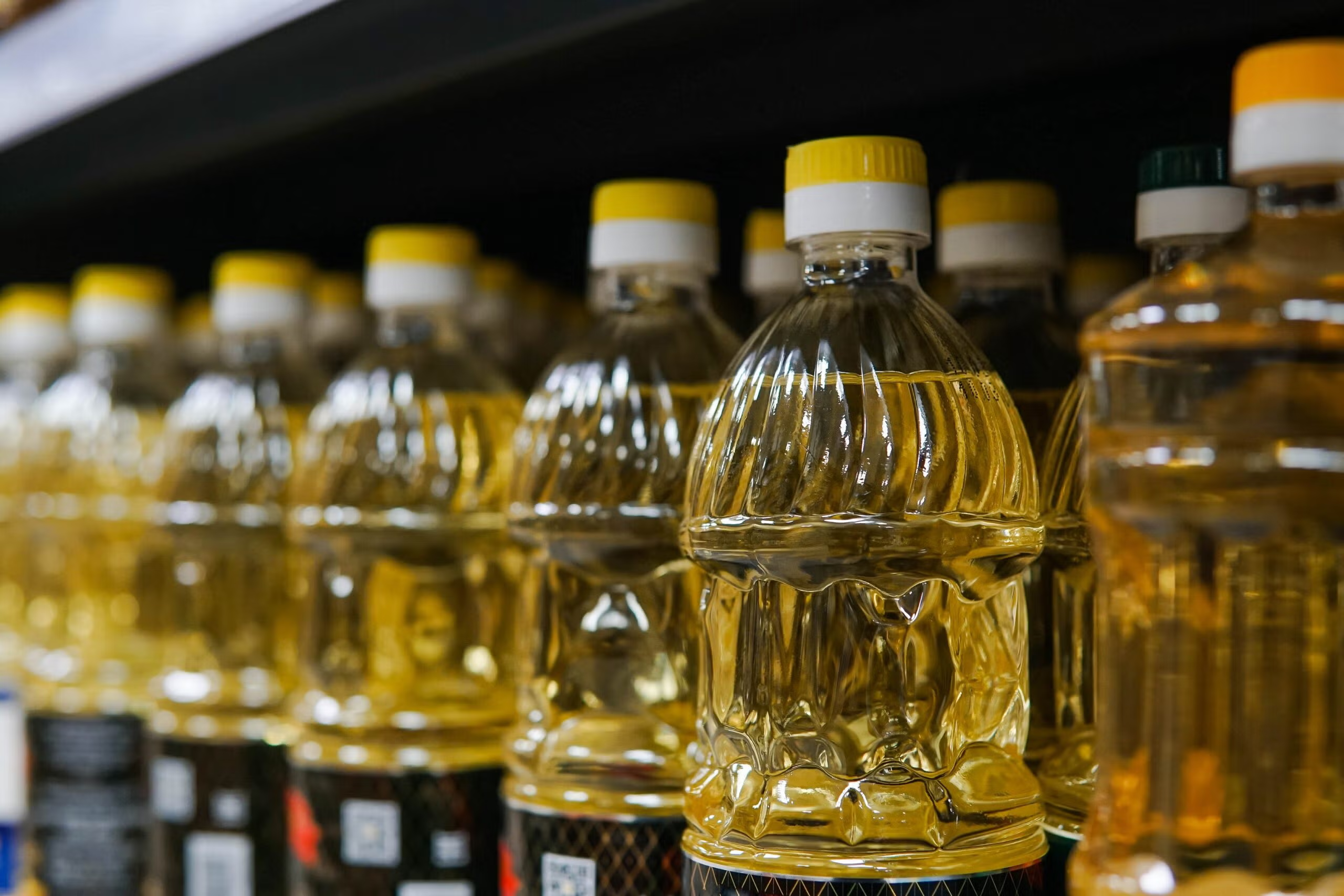
The FAO Vegetable Oil Price Index up 5.1% from February and marking a third consecutive monthly increase. The index also stood 13.2% above its level one year ago.
The continued increase was driven by higher quotations across palm, soy, sunflower and rapeseed oils. International palm oil prices reached their highest level since mid-2022 and moved to a premium over soyoil, largely reflecting spillover effects from the sharp increases in crude oil prices, while lower-than-expected production estimates in Malaysia provided additional support.
World soyoil prices edged up only marginally, as expectations of stronger biofuel uptake in the U.S. were partly offset by seasonally rising export supplies from South America. Meanwhile, international sunflower and rapeseed oil prices were underpinned, respectively, by lingering supply tightness in the Black Sea region and prospects of stronger feedstock demand amid substantially elevated world energy prices.
Read also: FAO: Global food stocks will remain safe if the Iran war lasts this long
The FAO Meat Price Index
The FAO Meat Price Index in March, up 1.0% from February and 8.0% above its level a year ago.
The increase was mainly driven by higher pig meat prices, alongside a modest rise in bovine meat quotations, while ovine and poultry meat prices softened.
By contrast, ovine meat prices declined due to increased export supplies from New Zealand, although firmer prices in Australia—supported by sustained demand in key markets—partly mitigated the decline, despite higher tariffs imposed by the U.S. and logistical constraints affecting access to the Near East markets.
World poultry meat prices edged lower, reflecting weaker quotations in Brazil amid ample supplies and steady import demand, with shipments to key Near East destinations rerouted through the Red Sea.
The FAO Dairy Price Index
The FAO Dairy Price Index up 1.2% in March, but remained 18.7% below its level a year earlier. This marked the first increase since July 2025, driven primarily by higher quotations for skim milk powder (SMP), butter, and whole milk powder (WMP), while lower international cheese prices limited the overall rise.
The FAO Sugar Price Index
The FAO Sugar Price Index in March up 7.2% from February and reaching its highest level since November 2025 but remaining 21.0% below its level a year ago.
The increase in March was mainly influenced by higher international crude oil prices, raising expectations that Brazil, the world’s top sugar exporter, would rely more on sugarcane-based ethanol during the upcoming harvest.
Read also: War in Iran forces meat shipments to reroute from Arabian Gulf to China
Additional upward pressure on sugar prices stemmed from concerns over the impact of the Near East conflict escalation on sugar trade flows. Nevertheless, the overall increase in world sugar prices was contained by the generally favourable global supply outlook for the 2025/26 season, supported by good harvest progress in India and Thailand.
More details: