
Food & Climate
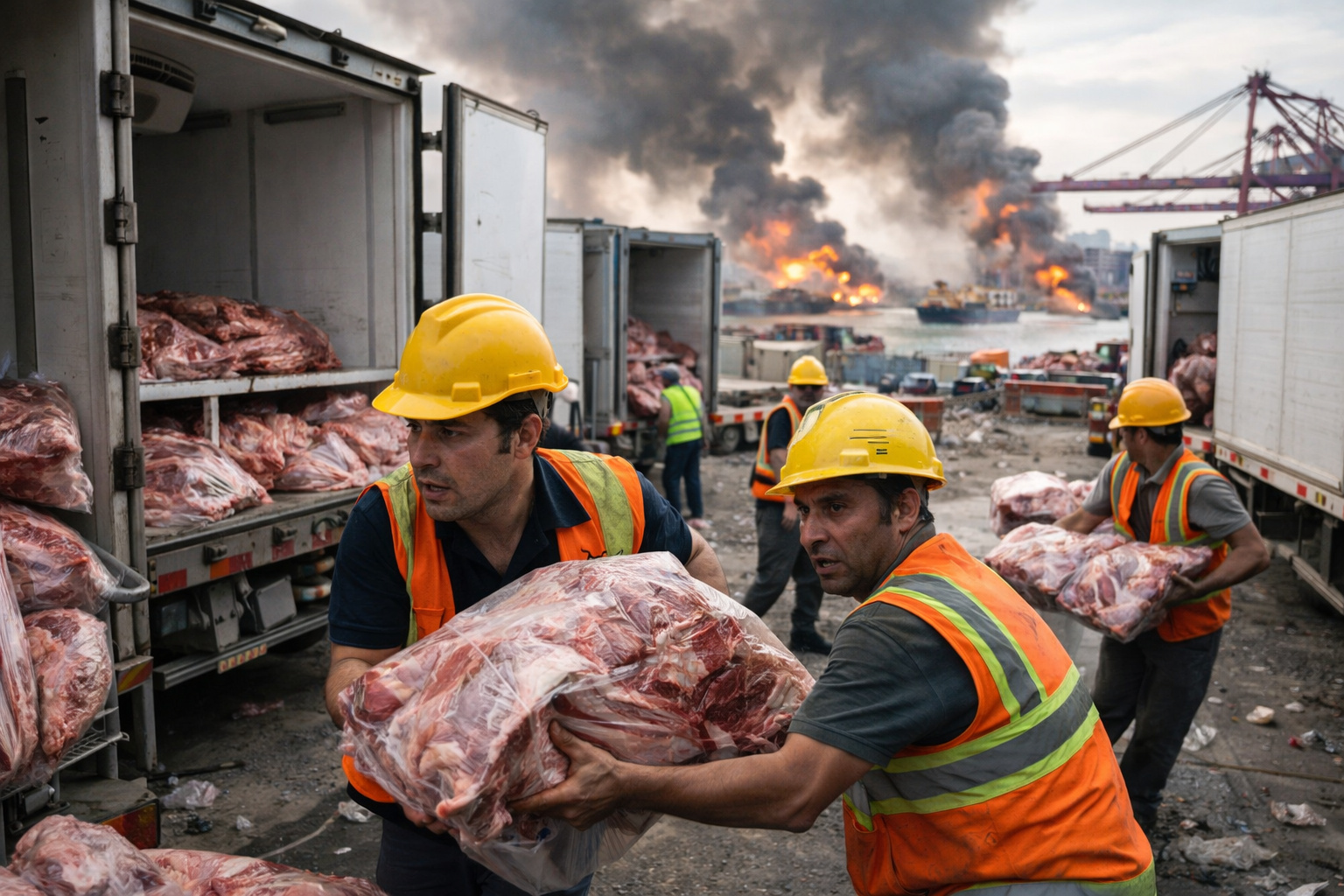
The war in Iran has forced meat shipments destined for Gulf countries to reroute to other destinations, such as China, at a time when shipping costs are soaring due to increased transport risks.
This has been exacerbated by continued strong demand for meat in global markets, according to a report seen by Food & Climate,.
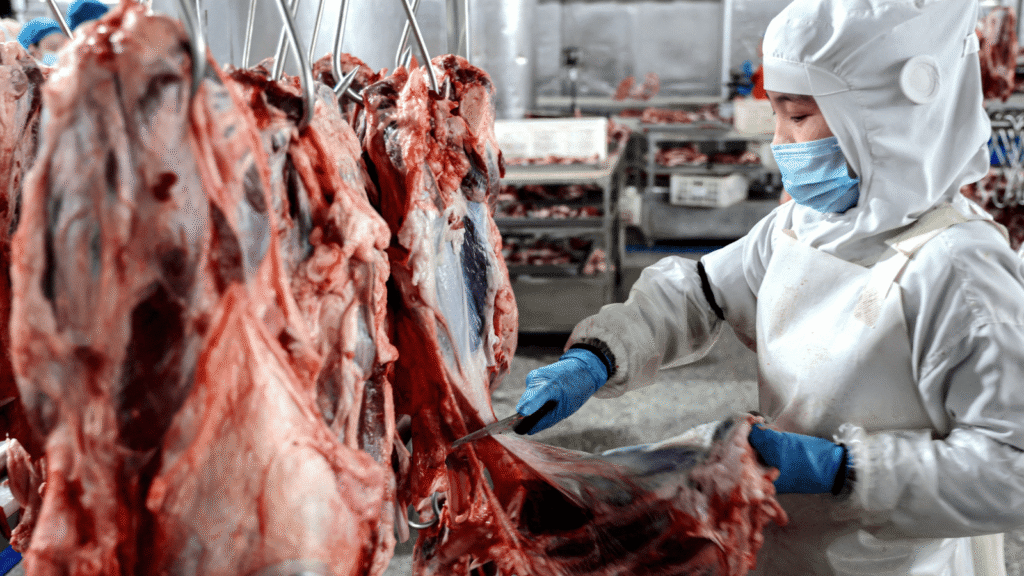
It is worth noting that strong demand for meat pushed the FAO’s global meat price index up by 0.8% month-on-month and 8% year-on-year in February.
The FAO stated in its report, released on Friday, March 6, 2026, that the rise in the index was driven by sheep meat prices reaching a new record high, supported by limited exportable supplies, and beef prices, bolstered by strong demand from China and the United States.
Disruption to supply chains and rising fuel and shipping costs from the Iranian conflict could cause an easing in farmgate meat prices, say sector leaders.
Silver Fern Farms chief executive Dan Boulton said the conflict between the United States, Israel and Iran is pushing up prices for fuel while shipping lines have imposed a “war surcharge” of NZ$2500 to NZ$6700 ($ 1500-3941) per container.
The Strait of Hormuz closure preventing meat shipments to Arabian Gulf
Silver Fern Farms chief executive Dan Boulton, said the conflict in Iran has forced adjustments to meat shipments schedules, with shipments unable to reach the Gulf being diverted to other countries, such as China.
He added: “Fortunately, global demand and prices for meat remain strong. The situation is very volatile at this point, but there are additional costs that could impact farm schedules.”
The sharp rise in global oil prices, resulting from the disruption of Gulf production exports, led to an increase in diesel prices by about 51 cents per liter last week, at a time when farmers and agricultural contractors are at the peak of the harvest season.
Agricultural contractors described the situation as a “disaster” and confirmed that they have no choice but to raise their prices.
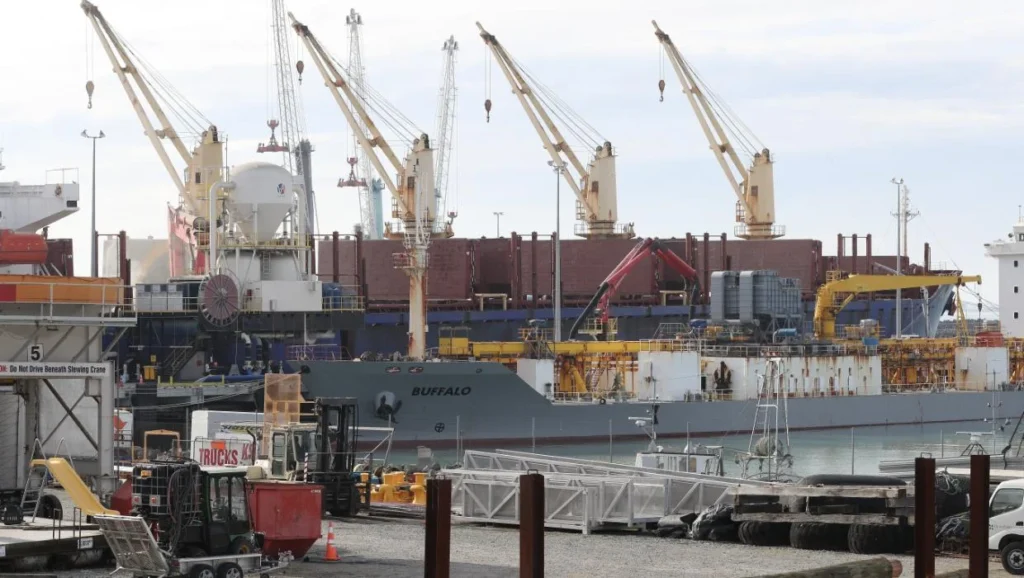
The conflict has led to the closure of the Strait of Hormuz, preventing meat shipments and other products from reaching the Arabian Gulf states, according to (Farmers Weekly).
New Zealand’s exports of meat and dairy products to the region, valued at US$3.4 billion annually, have been disrupted. This includes dairy products ($2.4 billion) and meat ($330 million).
Conversely, New Zealand imports approximately 22% of its fertilizer needs from the Gulf Cooperation Council (GCC) countries, leading cooperatives in the country to warn of price increases as well.
Reaching Jordan and western Saudi Arabia presents a challenge
Dairy and meat exporters are working with logistics partners to find alternative routes through ports and land routes unaffected by the conflict to deliver some products to Gulf markets.
Silver Fern Farms chief executive Dan Boulton, explained that route changes lengthen transit times and require official approvals and new documentation.
Fonterra’s director of global supply chain, Santiago Aon, said options include unloading shipments at Omani ports in the southern Arabian Peninsula and using a combination of trucking and coastal shipping to reach the UAE, Kuwait, Qatar, and eastern Saudi Arabia.
Reaching customers in Jordan and western Saudi Arabia presents an even greater logistical challenge due to the ongoing closure of the Red Sea caused by the missile threat posed by the Iranian-backed Houthi group in Yemen.
For these markets, ships sail around Africa and enter the Suez Canal from the north before unloading at Jeddah port in western Saudi Arabia, adding 25 days to the typically 40-day journey.
Aon stated that US President Donald Trump’s pledges to provide backup insurance and maritime escorts for ships transiting the Strait of Hormuz have not yet been fulfilled by shipping companies.
He added, “Shipping companies see these options as riskier than the available alternatives, and the delay in containers returning to Asia from the Middle East poses another potential problem for exporters, perhaps even more damaging than higher fuel prices.”
He continued, “It depends on how well the new routes keep pace with the flow of goods and how long the conflict lasts, but I wouldn’t be surprised if we see disruption similar to what we experienced during the COVID-19 pandemic.”
Meanwhile, Meat Industry Association chair Nathan Guy, who was recently appointed Special Agricultural Trade Envoy, pointed out that the Gulf states import about 90% of their food, and the longer the conflict continues, the greater the risk to food security in the region.
He said: “Demand will still be there and the Gulf states still need food so I hope we will not lose the opportunity to land a free trade”.
US$1 = NZ$1.7
Related topics:
February food price index rose amid expectations of further increases as the war in Iran continues
Asia fertiliser supplies threatened, war in Iran halts major exporters