
Food & Climate
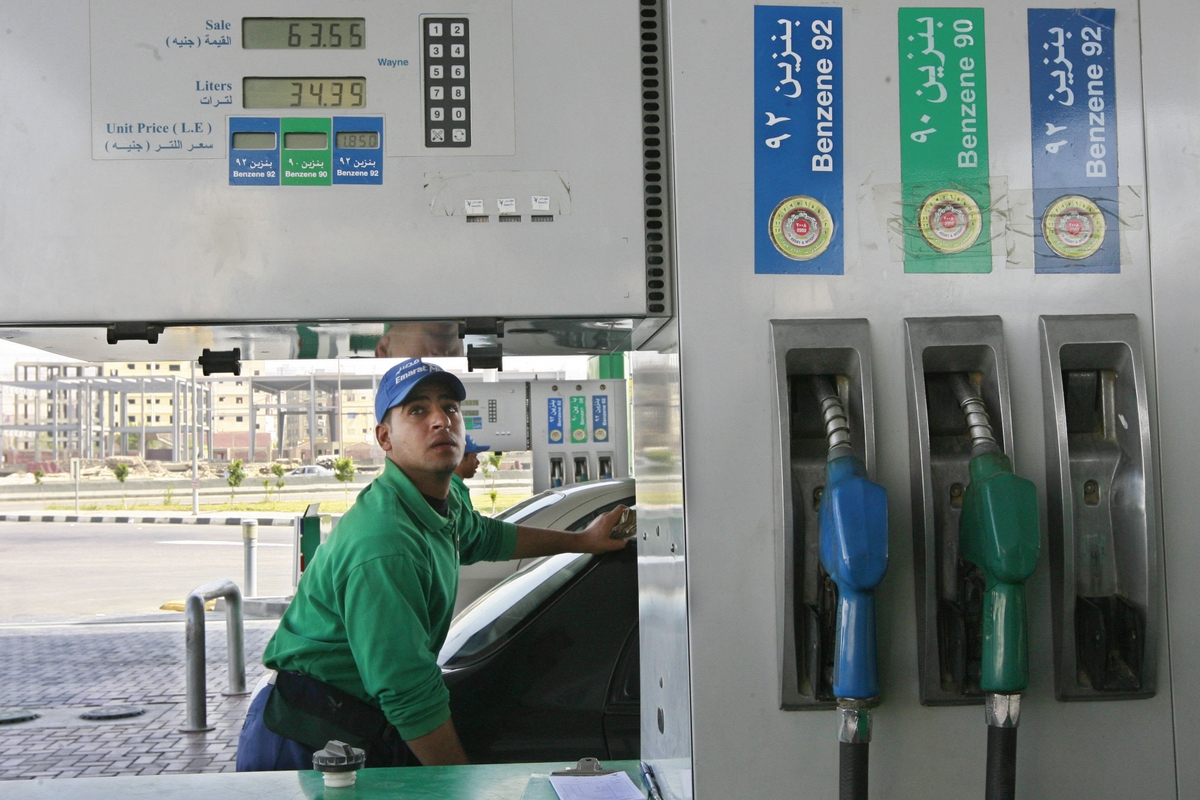
Egypt decided to significantly increase fuel prices, effective Tuesday morning, March 10, 2026, further exacerbating the already soaring food prices that have been rising since the start of the war in Iran about 10 days ago.
Egyptians woke up today to an announcement from the Ministry of Petroleum regarding adjustments to the prices of some petroleum products and natural gas for vehicles, “in light of the exceptional circumstances currently affecting global energy markets,” according to a ministry statement.
The decision went into effect at 3:00 AM today, with the following increases:
95-octane gasoline: from 21 to 24 EGP per liter.
92-octane gasoline: from 19.25 to 22.25 EGP per liter.
80-octane gasoline: from 17.75 to 20.75 EGP per liter.
Diesel: from 17.5 to 20.5 EGP per liter.
Cooking gas cylinders now cost between 225 and 275 EGP for a 12.5 kg cylinder.
And between 450 and 550 EGP for a 25 kg cylinder.
Car fuel gas now costs between 10 and 13 EGP per cubic meter.
A statement from the Ministry of Petroleum explained that these increases are due to the war in the Middle East and its direct impact on global energy markets, which has led to a significant rise in import and domestic production costs.
Egypt’s decision to increase fuel prices by between 14% and 30% comes at a time when food prices are experiencing continuous increases, as evidenced by citizen complaints on social media.
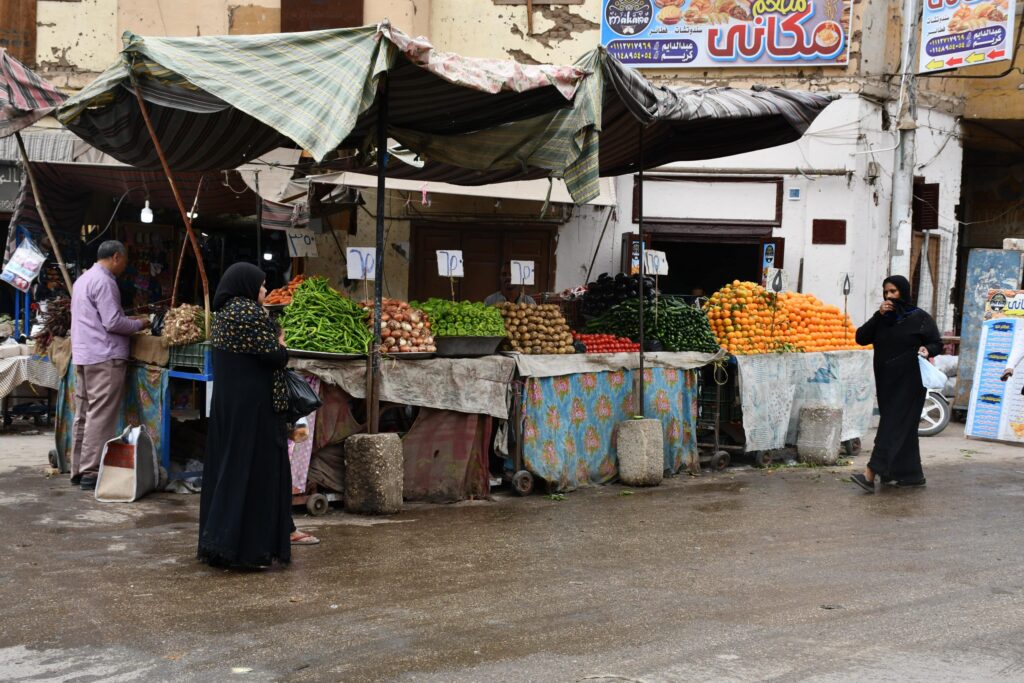
Among these commodities are poultry, meat, and vegetables such as tomatoes, green peppers, and zucchini, some of which have seen price increases of up to 30%.
Food prices rise in February
The Central Agency for Public Mobilization and Statistics announced today the inflation rates for February, revealing a monthly increase of 2.7%.
The agency indicated that the food and beverage sector saw an increase of 2.8%. The increase was due to: meat and poultry (9%), fish and seafood (0.4%), dairy products, cheese, and eggs (0.5%), oils and fats (0.5%), vegetables (3.8%), and mineral water, soft drinks, and natural juices (0.2%).
However, the agency clarified that this rise occurred despite a decrease in the prices of several food items, namely: grains and bread (-1.3%), fruits (-3.0%), sugar and confectionery (-0.1%), and coffee, tea, and cocoa (-0.2%).
The monthly inflation rate had risen to 1.2% in January 2026, compared to 0.2% in December 2025, according to data from the Central Agency for Public Mobilization and Statistics.
The agency also explained that the food and beverage sector recorded an increase of 3.9% last month compared to February 2025, due to rises in the following items: cereals and bread (0.6%), meat and poultry (1.5%), fish and seafood (6.4%), oils and fats (2.3%), fruits (2.5%), vegetables (19.9%), coffee, tea, and cocoa (8.8%), and mineral water, carbonated beverages, and natural juices (7.5%).
Only the dairy, cheese, and egg group saw a decrease of (-0.2%).
Inflation has declined over the past two years, allowing the Central Bank of Egypt to cut interest rates by 725 basis points in 2025.
Gasoline prices have increased more than elevenfold
The fuel price hikes in Egypt threaten unprecedented increases in food prices, especially since the increase is exceptional and exceeds the limits set by the Fuel Pricing Committee, which meets every three months and determines price increases based on exchange rate fluctuations and global oil prices, with a maximum limit of 10%.
The exchange rate of the dollar against the Egyptian pound has also jumped to unprecedented levels, rising from about 46.9 pounds to nearly 53 pounds by the end of trading on Monday, March 9, 2026.
Egypt has been experiencing a massive increase in food and fuel prices for more than 10 years, particularly after the decision to float the Egyptian pound in 2016 and the subsequent continuous fluctuations in the exchange rate, which caused the dollar to jump from less than 10 pounds to 53 pounds.
Economic expert Mustafa Adel explained on his Facebook page that gasoline prices increased by 1116% between 2011 and 2026, or more than elevenfold.
He stated: “If we calculate the increase in dollars, the price in Egypt will be almost constant compared to the global average. This means the problem lies with the dollar and its appreciation against the Egyptian pound, not with the global increase in oil prices.”
He added: “Gasoline in Egypt, in dollar terms, rose from $0.31 per liter in 2011 to $0.42 today, an increase of approximately 35% in dollar terms, even though global oil prices have decreased by 20% since 2011.”
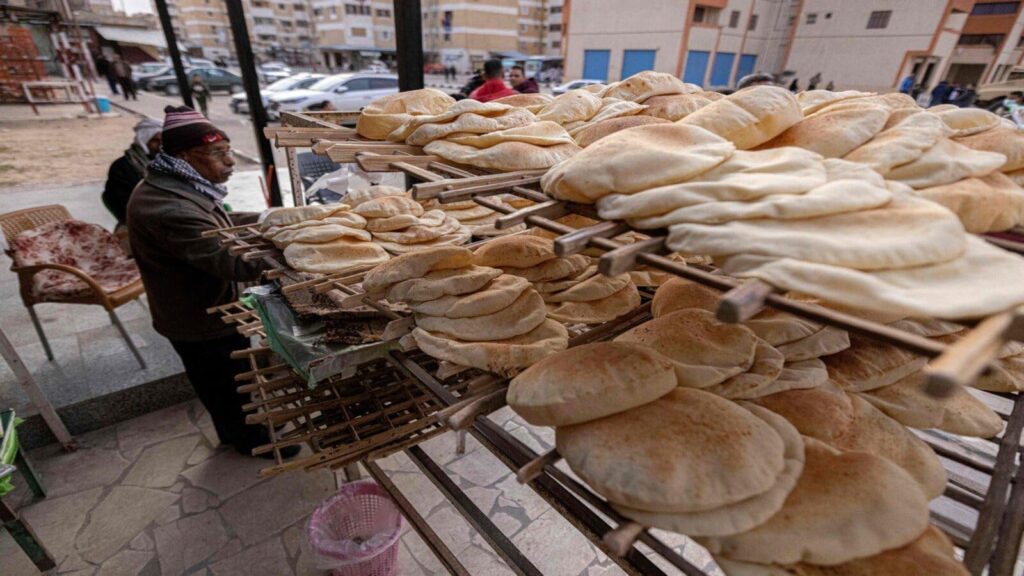
However, regardless of the reasons, an increase in oil derivative prices anywhere raises food prices by a larger percentage due to the need for fuel in agriculture and transporting goods to markets, especially considering that Egypt imports most of its food.
In a related development, the global food price index, published by the Food and Agriculture Organization (FAO), saw an increase last month, its first in five months.
Related topics:
February food price index rose amid expectations of further increases as the war in Iran continues