
Food & Climate
February food price index rose for the first time in five months, driven by increases in several commodities such as grains, with further increases expected in March as the war in Iran continues, analysts told Food & Climate.
The Food Price Index was also affected by a rise in wheat prices, driven by reports of frost and increased risk of crop damage during the winter in parts of Europe and the United States, according to a report by the Food and Agriculture Organization (FAO) released on Friday, March 6, 2026.
The Food Price Index rose by 0.9% compared to January, as increases in the price indices for cereals, meat, and vegetable oils offset declines in dairy products and sugar.
However, it fell by 1% year-on-year and remained 21.8 points below its peak in March 2022.
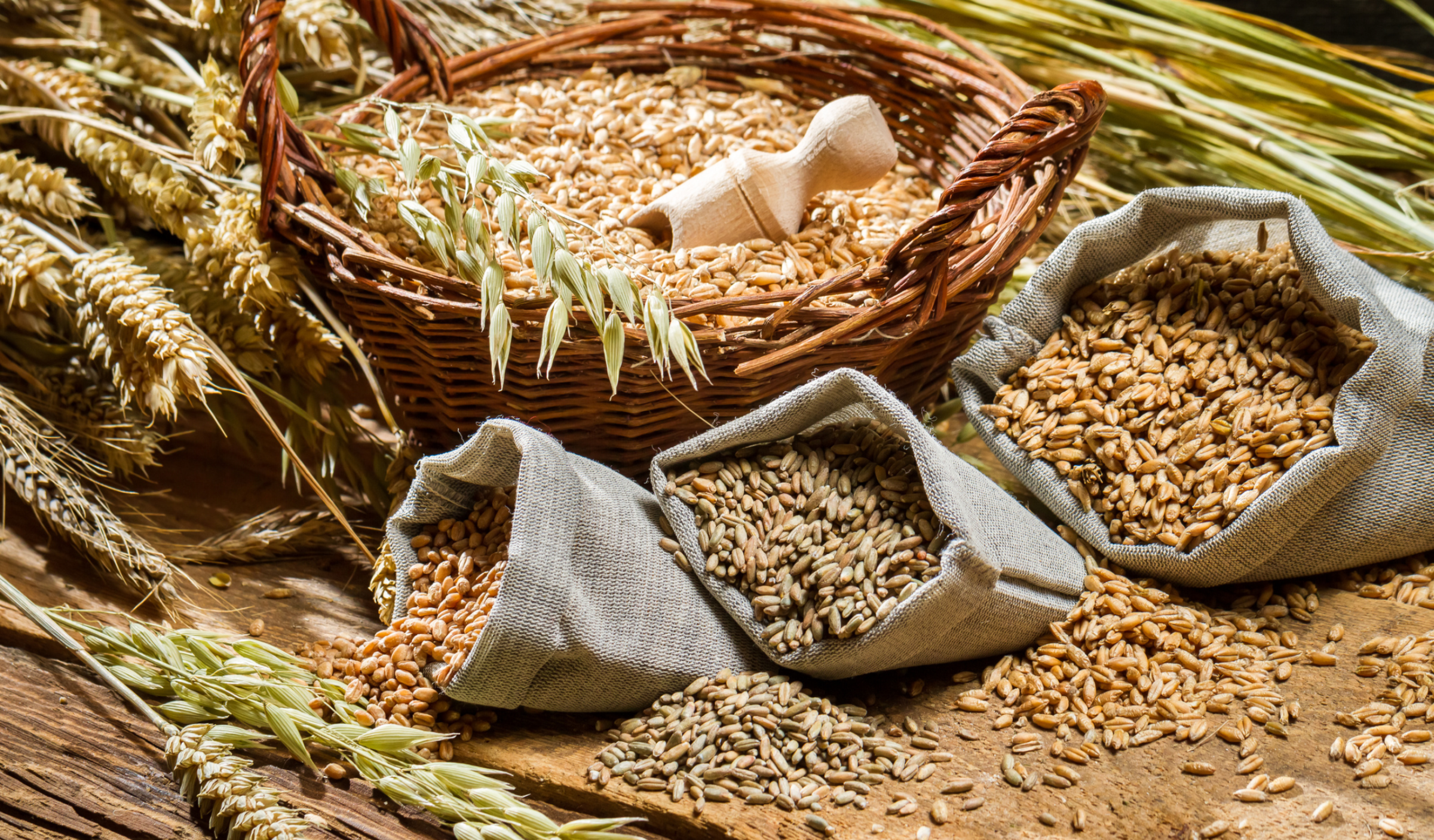
The Cereal Price Index rose by 1.1% month-on-month but remained 3.5% lower than its level during the same period last year.
Wheat prices increased by 1.8% month-on-month, supported by frost, logistical disruptions in the Russian Federation, and ongoing tensions in the Black Sea region.
Coarse grains saw moderate gains, with global maize prices remaining broadly stable. Barley prices continued their upward trend, driven by sustained demand from China for Australian supplies and purchases by North African buyers from European sources.
Sorghum prices also rose due to strong international demand, while the rice index increased by 0.4% in February, supported by continued demand for japonica basmati varieties.
February food price index for oils and meat
The food price index for vegetable oils rose by 3.3% month-on-month in February. This increase was driven by higher prices for palm, soybean, and rapeseed oils, which offset a decline in sunflower oil prices.
Palm oil prices rose for the third consecutive month, supported by strong global import demand and seasonal production declines in Southeast Asia.

Soybean prices also increased due to expectations of supportive biofuel policy measures in the United States, while rapeseed oil prices rebounded amid expectations of increased import demand from Canadian supplies. In contrast, sunflower oil prices declined moderately, reflecting weak import demand due to higher prices and increased export supplies from Argentina, but they remained significantly higher than last year’s levels.
The meat price index rose 0.8% month-on-month, but remained 8.0% higher than its value at the same time last year.
The increase was largely driven by higher global prices for beef and lamb, while poultry and pork prices saw only marginal increases. Lamb prices reached a new record high, supported by limited exportable supplies from Oceania, the world’s main exporting region, amid stagnant global demand.
Beef prices also rose, supported by strong buying interest from China and the US, which boosted export prices for major suppliers, particularly Australia and Brazil. Pork and poultry prices rose slightly as strong import demand in several markets offset ample supplies in major producing countries, limiting upward pressure on prices.
Prices of some commodities declined
The average dairy price index fell 1.2% in February, month-on-month, and 19.2% compared to a year earlier.
The decline in February continues the downward trend that began in July 2025.
This decline is primarily attributed to the continued fall in cheese prices, particularly in the European Union, driven by increased milk availability, reduced demand from key export markets, and intensifying international competition.

Conversely, international prices for skimmed milk and whole milk powder rose significantly, supported by strong import demand, especially from North Africa, the Near East, and Southeast Asia, coupled with a seasonal slowdown in milk supply growth in New Zealand. Global butter prices recorded their first monthly increase since reaching an all-time high in June 2025, supported by rising international demand and reduced supply growth forecasts in Oceania. However, the gains were limited by lower prices in the European Union due to ample cream supplies.
The sugar price index fell by 4.1% month-on-month and 27.3% year-on-year, marking its second consecutive monthly decline and its lowest level since October 2020.
Related topics:
Food price index falls in January, biofuels boost soybean oil
2025 Food Price Index rises, but declines in December due to Australian drought