
Food & Climate
The food inflation in UK is exacerbating due to climate change, so, the foods most exposed to climate impacts are seeing the sharpest price rises, according to Chris Jaccarini, Senior Analyst at the Energy and Climate Intelligence Unit (ECIU).
He said, commenting on the inflation rate for food and non-alcoholic drinks increasing to 4.5%: “The last few days have been a reminder that an uncritical reliance on volatile and unreliable forces leaves the UK with little room to manoeuvre. Food inflation ticking back up shows this vulnerability extends even to something as basic as food affordability.
British farmers are already on the frontline of this instability, facing weather that swings from too wet to too hot and dry, with four fifths now worried about whether they can make a living under climate change, according to a report seen by Food & Climate.
These pressures are being driven not just by domestic conditions but by climate shocks across a tightly interconnected global food system. When risks are pushed down onto farmers and consumers, and costs are passed through supply chains, price volatility becomes the norm rather than the exception.
A food system exposed to climate disruption, energy shocks and trade volatility weakens economic resilience in the most practical sense: the ability to keep essential goods affordable. Rebuilding that resilience means cutting emissions to net zero, backing farmers to adapt to a changing climate, and sharing risk more fairly across supply chains so that shocks are less likely to translate into higher prices at the till.”
Climate impacts drive food inflation in UK surge
Extreme weather is fueling food inflation in UK, according to Energy & Climate Intelligence Unit (ECIU) analysis in October.
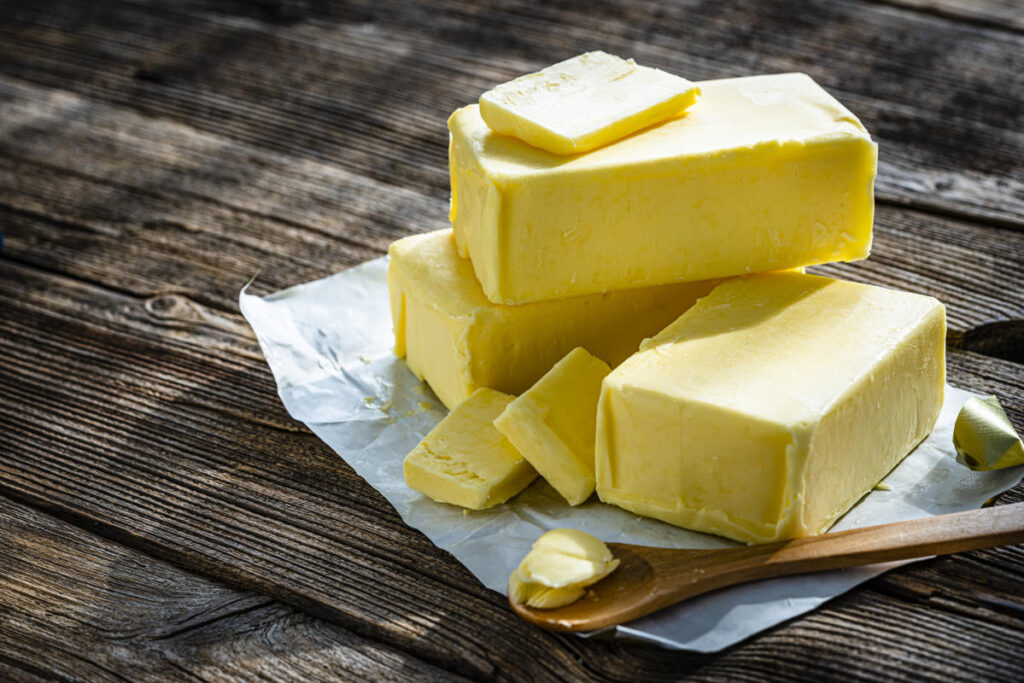
Prices for butter, beef, milk, coffee and chocolate, which are among the most climate‑exposed foods, rose 15.6% in 2024, compared with just 2.8% for other food and drink.
Though these items make up only 11% of the average basket, they account for nearly 40% of food inflation in UK, suggesting climate impacts now outweigh domestic factors like wages or taxation.
The Bank of England warned in August that rising food prices are hindering efforts to meet its 2% inflation target. Dry conditions have pushed up domestic production costs for beef and dairy, after a historically hot summer in the UK.
Imported staples face similar pressures
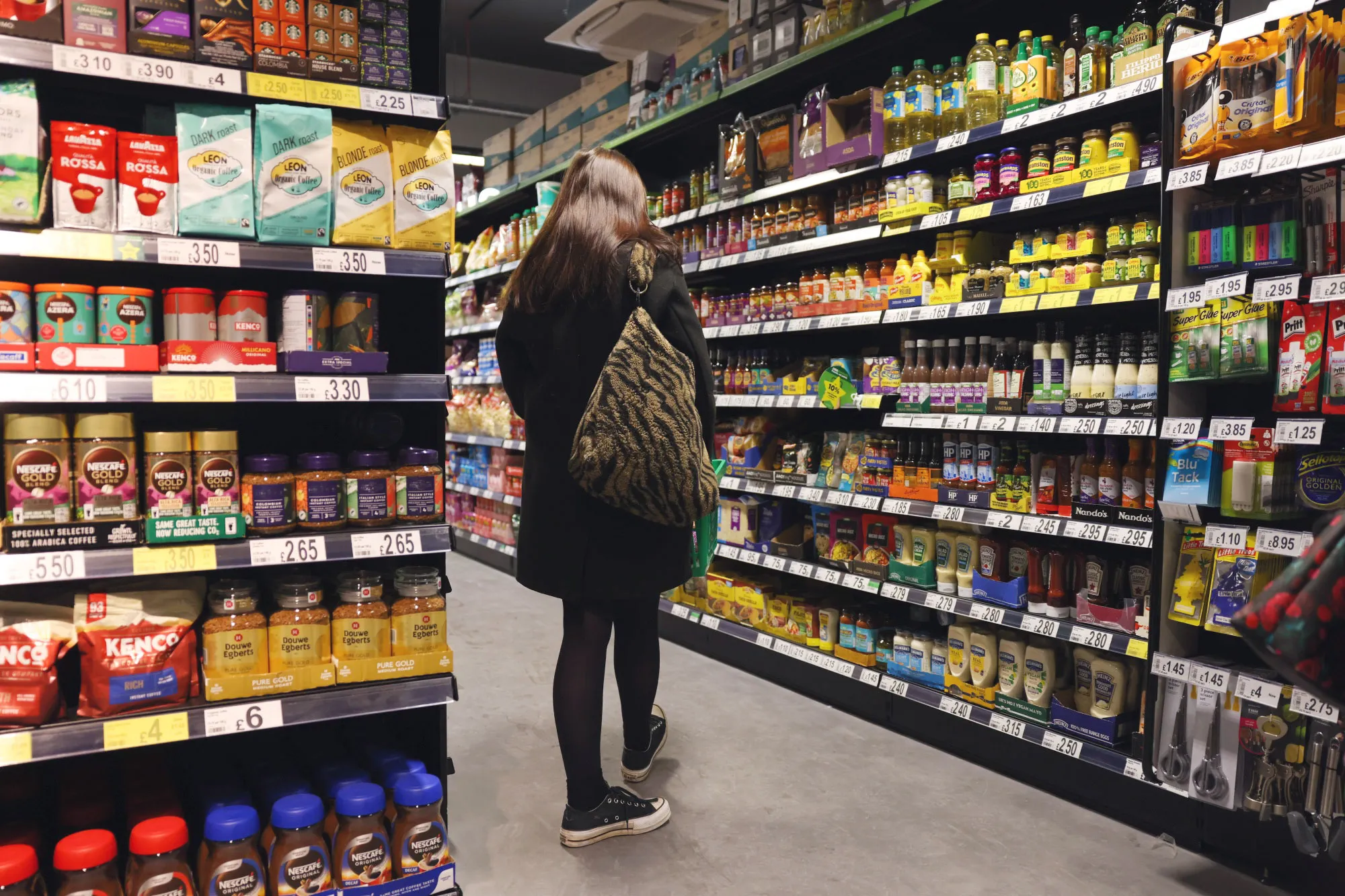
Imported staples face similar pressures. Cocoa prices have more than tripled in three years after extreme heat and rainfall devastated harvests in West Africa. Since 2024, coffee prices have spiked due to droughts in Brazil and Vietnam. According to the UN’s Food and Agriculture Organization, coffee price shocks take around a year to filter through to retail prices with effects lasting at least four years.
ECIU’s Chris Jaccarini said “climate shocks are a big factor … until we reach net zero, households will keep seeing prices rise.”
A story reviewed by The Guardian reveals the impact of climate change on the lives of farmers.
It said: “My mum is a livestock farmer in Kent. This year her hay crop was down by 50% because the spring rains never came. She’s not alone – up and down the UK, farmers have watched their fields turn brown and their hay crops collapse”.
Hay keeps animals alive over winter (when there is no fresh grass outside) and some farmers are already selling off cows because they can’t guarantee they will be able to feed them. From extreme drought to biblical floods, more than 80% of UK farmers are worried wild swings in weather are affecting their ability to earn a living.
Globally, farmers are on the frontline of climate change and livelihoods are on the line. Last year, heatwaves wiped out onions in India and cocoa in Ivory Coast. Most recently wildfires and heatwaves have driven losses of olives, citrus fruits and vegetables across Europe.