
Food & Climate
The war in Iran has impacted energy prices, with oil and gas prices surging due to the disruption of shipping in the Strait of Hormuz and the halt in Qatari liquefied natural gas (LNG) production. While there have been no reports of food supplies crises, some events in the Middle East and beyond are ominous.
The US and Israel launched an attack on Iran starting on Saturday, February 28, 2016, and since then, the pace of retaliatory strikes has escalated, particularly after the assassination of Supreme Leader Ali Khamenei in Tehran.
Iran threatened ships in the Strait of Hormuz, halting the movement of dozens of oil tankers. Qatar, which supplies a fifth of the world’s LNG, also decided to suspend production after its facilities were targeted in military attacks.
Despite the turmoil in the energy market, food supplies are more fragile, especially in the Middle East, which imports more than 70% of its food needs, according to reports reviewed by the Food & Climate.
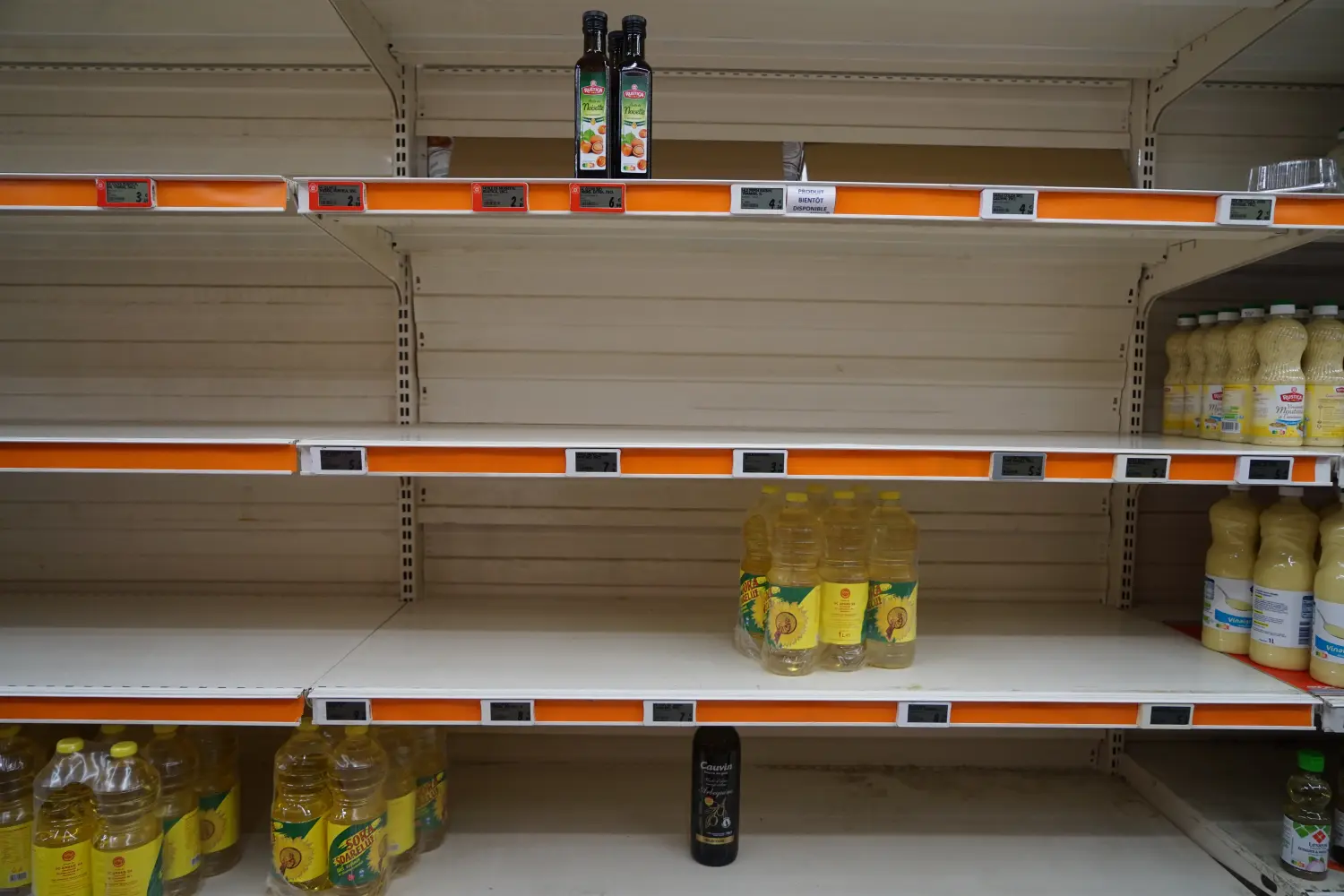
While officials from several countries, such as the UAE and Egypt, have affirmed the stability of food supplies, numerous events point to an impending crisis in this sector.
It began with Iran, which banned the export of all food and agricultural products.
Multiple signs of food supplies crise
While Egyptian Prime Minister Mostafa Madbouly was speaking at a press conference on Tuesday, March 3, 2026, to reassure Egyptians about food supplies, local news outlets reported that poultry and livestock feed traders were hoarding products in anticipation of price hikes.
Madbouly stated that Egypt’s wheat reserves are sufficient for several months, and that local production will be available in the markets next month when the harvest begins.

While sources revealed to a local newspaper that importers of feed ingredients in the local market have partially halted deliveries to factories since the beginning of this week, and have raised the prices of all raw materials by up to 39% to hedge against the repercussions of the war in Iran.
However, the Ministry of Agriculture announced the implementation of a large-scale and surprise inspection campaign targeting feed warehouses and factories in several districts of the governorates of Sharqia, Menoufia, Dakahlia, and Beheira, in accordance with the directives of the Minister of Agriculture and Land Reclamation, Alaa Farouk, to intensify field monitoring to prevent monopolies and ensure the quality of feed at fair prices.
The UAE affirmed the stability of food supplies in the country and urged people not to purchase excess food items, according to the “Food Navigator” website.
Meanwhile, news circulated that importers in India would incur losses exceeding one billion dollars as a result of the war in Iran, which had ordered large quantities of basmati rice from New Delhi two months before the war. Ajay Bhalutia, managing director of Fortune Rice Limited and general secretary of the Indian Rice Exporters Association, stated in a televised interview: “Since the start of the war, Indian basmati rice exports have almost completely ceased. A shipment of basmati rice exported from India to Iran is currently being transported. There is uncertainty regarding the ability of Iranian importers to receive this shipment under the current circumstances,” according to NDTV.
Fertilizer production disrupted
The conflict in Iran threatens to disrupt a major fertilizer production and shipping hub, raising the risk of higher crop costs and food inflation.
The Gulf region is home to some of the world’s largest fertilizer plants, and the Strait of Hormuz handles about one-third of the global trade for the nutrients. Prices were already high before the latest conflict in the Middle East erupted, and the fresh tensions come as Northern Hemisphere farmers are set to start applying the products to their fields.
The timing of the conflict “literally could not be worse” for the industry, Josh Linville, vice president for fertilizers at brokerage StoneX Group, said by email. “There is never a good time for war, but this couldn’t be much worse.”
The conflict is already impacting the market. On Monday, Qatar shut down liquefied natural gas production at the world’s largest export facility after it was targeted in an Iranian drone attack. Natural gas is a crucial input for nitrogen-based fertilizers.
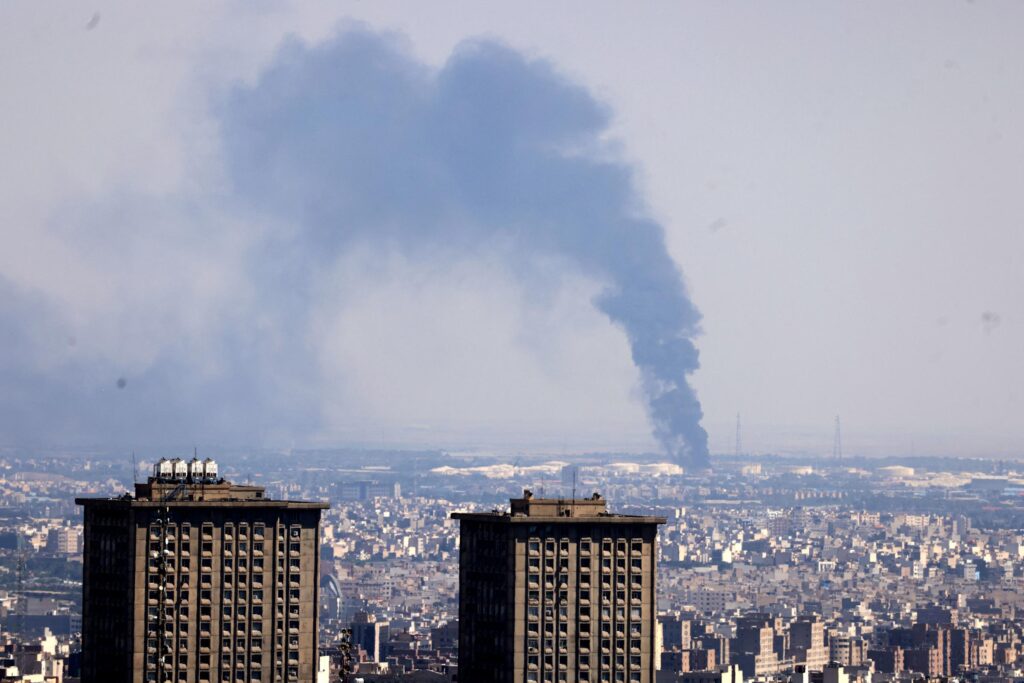
Qatar is a source of some 11% of global urea exports, and nearly 45% of those shipments come from Persian Gulf facilities more broadly, according to Alexis Maxwell, an analyst at Bloomberg Intelligence.
Prices for granular urea in Egypt have surged by $60 a metric ton since the effective closure of the Strait of Hormuz, and buyers are already looking for other suppliers in North Africa and Southeast Asia, Bloomberg Green Markets reported.
Meanwhile in New Orleans, the price of March barges for urea — the most widely used nitrogen fertilizer and one crucial to corn fields — were $60 to $80 higher on Monday compared with Friday prices, and there is “potentially hundreds of dollars per ton increases in the coming days,” said Taylor Eastman, a fertilizer trader at Andersons Inc, according to Farm Progress.
Related topics.
The US-Iran pistachio war continues despite the ceasefire with Israel