
Food & Climate
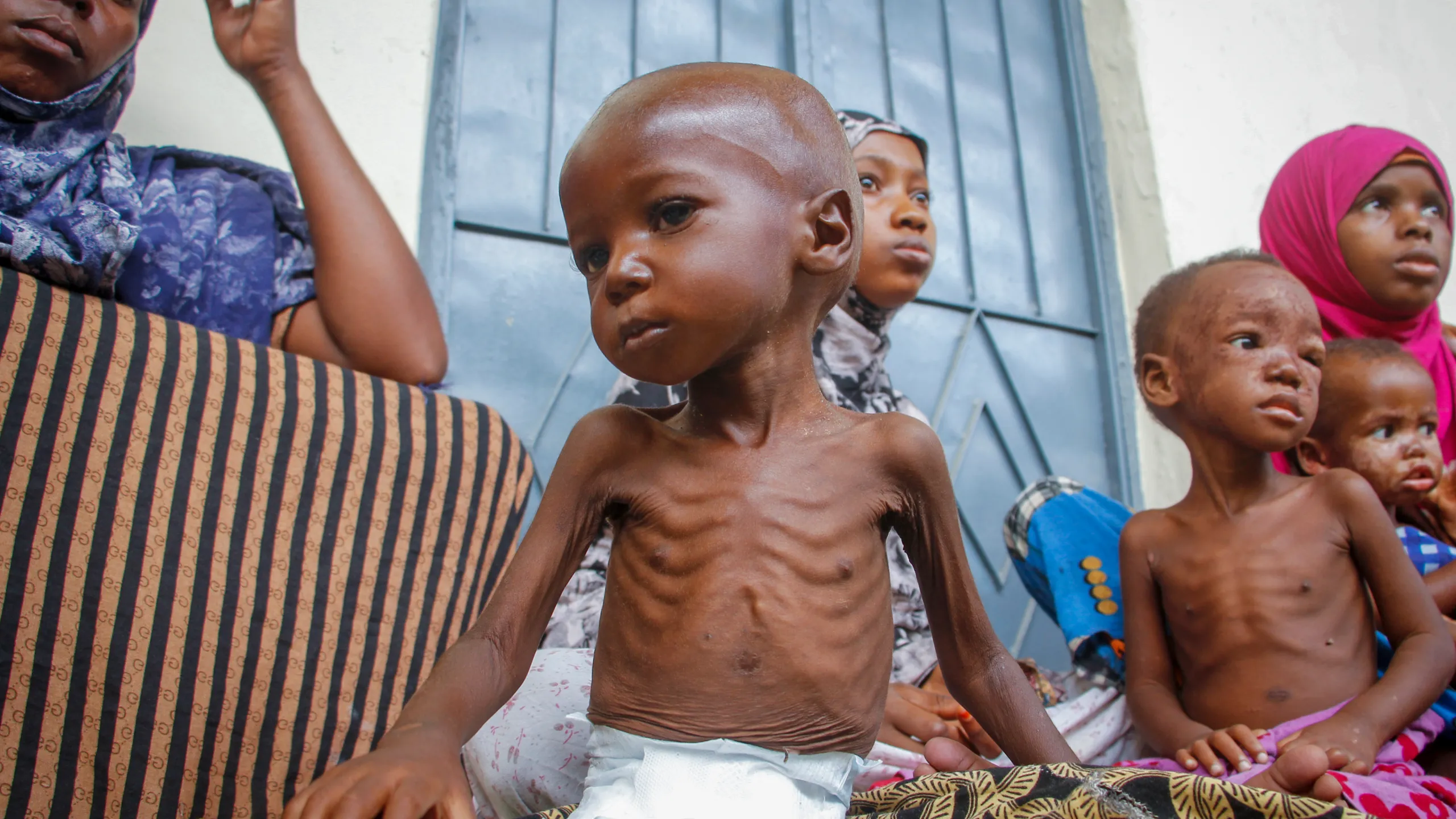
Drought caused by low rainfall has exacerbated the hunger crisis in Somalia. Nearly 6.5 million Somalis face high levels of hunger, and more than 1.8 million children face acute malnutrition due to worsening drought, the Somali government and UN agencies have warned in a new report.
The Integrated Food Security Phase Classification (IPC) report indicates that a third of the population – 6.5 million people – are expected to face crisis levels of hunger or worse (IPC 3 and 4) by March, an increase of 1.7 million people since January, according to press release that Food & Climate received.
This includes two million individuals experiencing severe hunger (IPC 4). More than 1.8 million children under five will also face acute malnutrition in 2026, almost half a million of them likely to be severely malnourished. The drought is also having a devastating effect on agriculture, with widespread crop and livestock losses in addition to large scale displacements of people.
Hunger crisis in Somalia and drought emergency
“The drought emergency in Somalia has deepened alarmingly, with soaring water prices, limited food supplies, dying livestock, and very little humanitarian funding,” said George Conway, Humanitarian Coordinator for Somalia. “Urgent life-saving assistance is essential to save lives and prevent a collapse of pastoral and farming livelihoods, as the coming months are critical with no rains expected at least until the next Gu rains in April-June.”
On11 February 2026, (FAO) warned that Somalia faces severe drought threat, potentially matching 2022 levels, if the crucial Gu rains fail.
Speaking to Dawan Media at the National Climate Outlook Forum in Mogadishu, FAO Representative Etienne Peterschmitt warned that the current drought is more severe than previous episodes and is part of a wider regional crisis affecting parts of Ethiopia and Kenya.
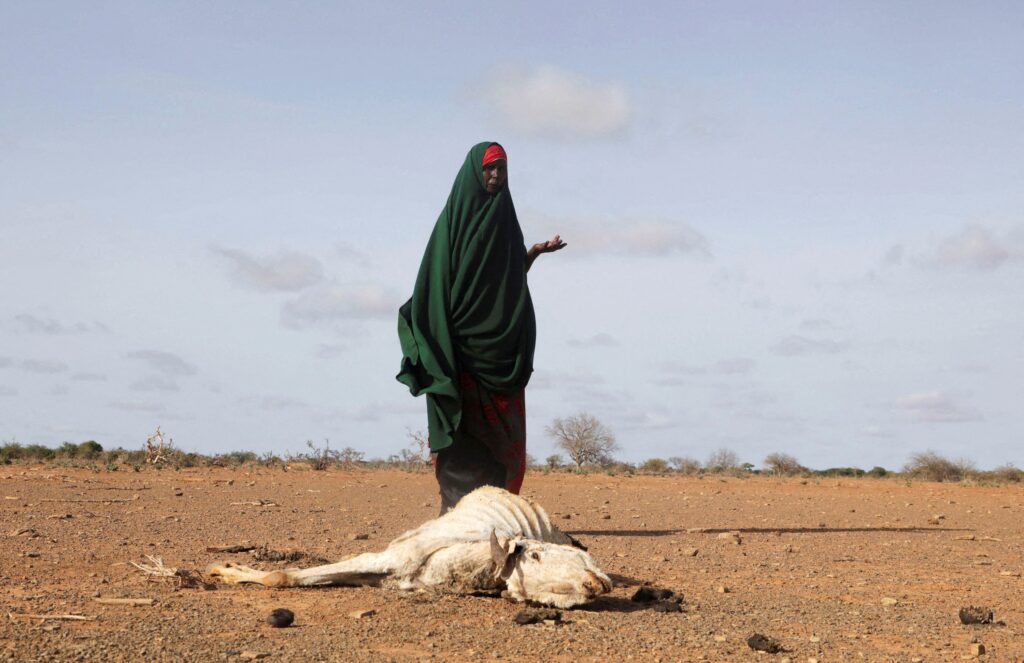
“Water availability is near zero, prices are rising, and livelihoods are under severe strain,” Peterschmitt told Dawan Media. “If the Gu rains are below average, we could face a drought reaching the magnitude of what we witnessed four years ago.”
FAO teams have been assessing conditions on the ground, visiting multiple regions to evaluate the impact. Peterschmitt noted that while the Gu rainy season is uncertain, early indications suggest the drought is already causing widespread distress.
Need for timely funding
The agency emphasized the need for timely funding and targeted support to the hardest-hit areas, in order to mitigate the human and economic toll of the ongoing dry spell.
The warning coincides with a sharp reduction in international aid; the U.N.’s 2026 response plan for Somalia is seeking only $852 million—a 40% drop from last year—leaving over half of those in need without targeted support.
Humanitarian needs remain immense, with current assistance addressing only the most basic survival requirements after critical funding shortfalls have left aid agencies with no choice but to reduce rations and the number of people who are able to be assisted with life-saving support, including food, nutrition, health, and water and sanitation.
Although the Gu rains expected between April and June 2026 may provide some relief, the situation will remain critical, the Food and Agriculture Organization of the United Nations (FAO), the UN Children’s Fund (UNICEF), the World Food Programme (WFP), and the United Nations Office for the Coordination of Humanitarian Assistance (OCHA) warned on Tuesday.
The country’s food security situation is deteriorating at an alarming rate because of prolonged dry conditions. Intensified drought has triggered widespread food insecurity, mass displacements, crop failures, livestock losses, rising food prices, and disrupted livelihoods, the report says. It indicates that food security and malnutrition rates are expected to deteriorate rapidly until the end of March 2026 with two million people classified as living in Emergency conditions (IPC Phase 4).
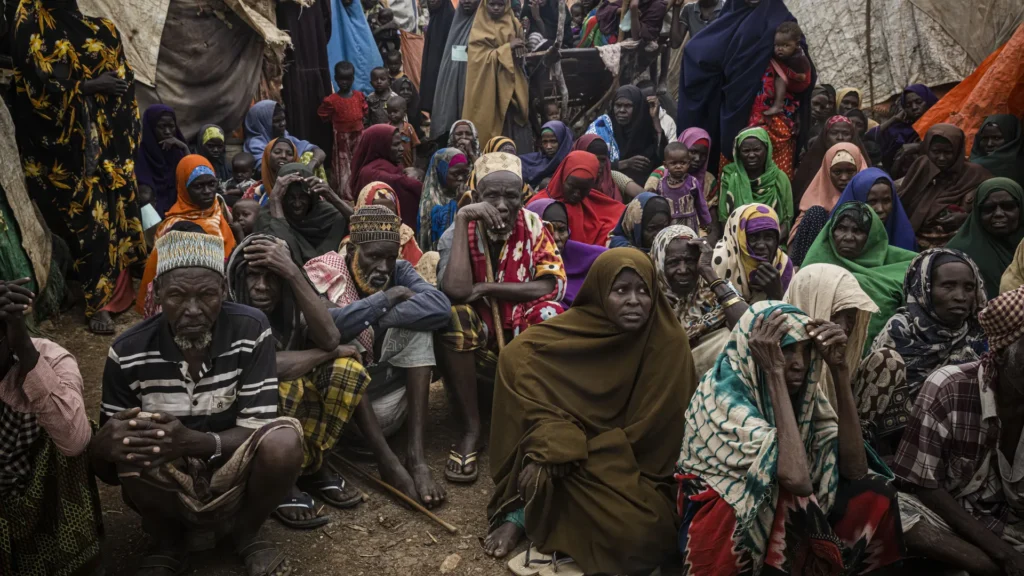
“The severity of this drought is undeniable and deeply alarming,” said Mohamud Moallim Abdulle, the Commissioner of the Somalia Disaster Management Agency (SoDMA). “Millions of our people are facing crisis levels of hunger, with many families already in emergency conditions, and an unprecedented number of children suffering from acute malnutrition. Somalia is once again at a critical crossroads as climate shocks, displacement, and declining humanitarian funding push vulnerable communities beyond their coping capacity. The tragic loss of lives in Bardhere today is a stark reminder that behind this crisis are real families in distress.
The drought is attributable to below-average rainfall during the Deyr season (October-December 2025) combined with current dry Jilaal season (from January to March). The effects of the drought on crops and livestock can be seen by figures which show that the Deyr season cereal harvest in southern Somalia is 83% lower than the long-term average from 1995 to 2025.