
Food & Climate
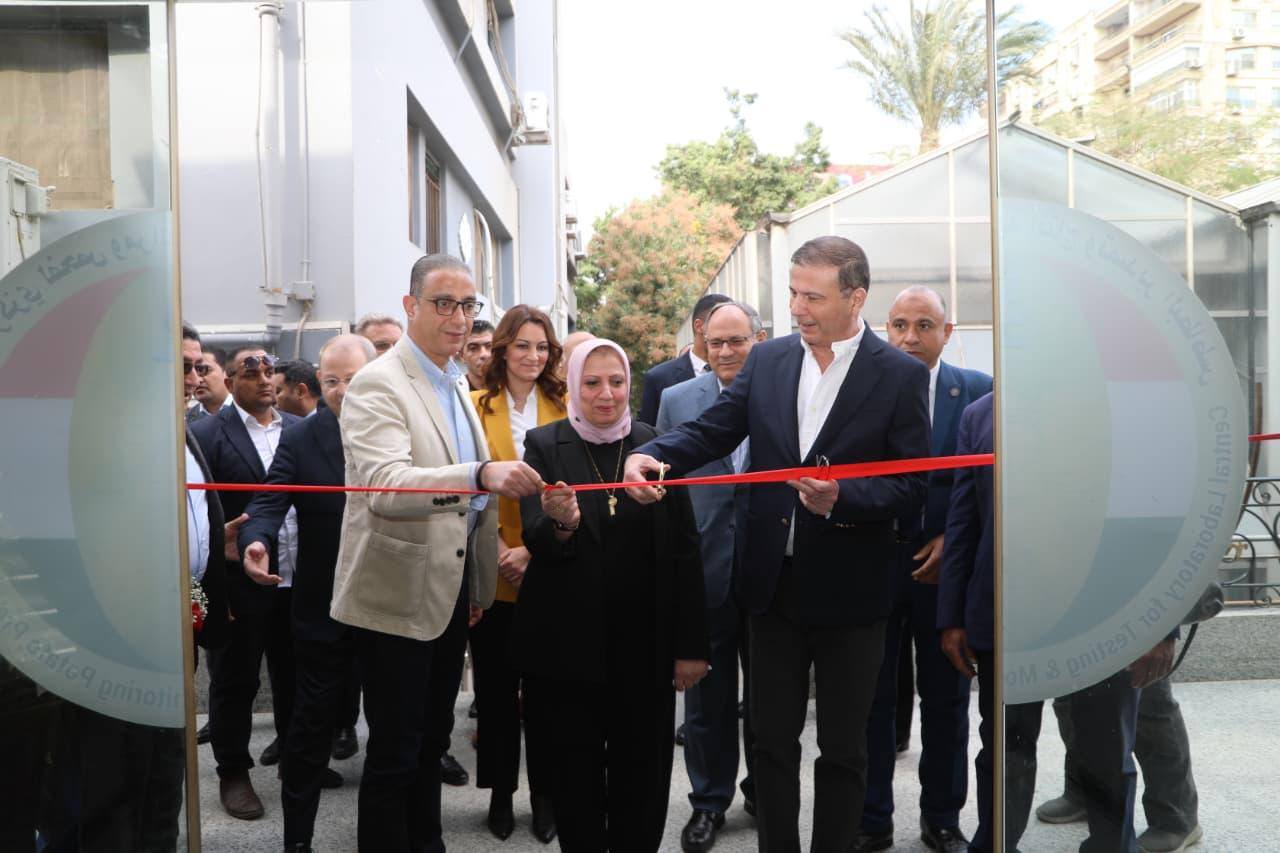
The Egyptian government inaugurated the newly upgraded and renamed potato laboratory on Thursday, February 26, 2026, to support production and exports and shorten sample testing times. The laboratory’s director told (Food & Climate) that they are planning to establish a second laboratory in Dakhla.
The Minister of Agriculture and Land Reclamation, Alaa Farouk, represented the government at the opening, along with the Governor of Giza, Dr. Ahmed Al-Ansari, at the inauguration of the Central Laboratory for Testing & Monitoring Potato Production & Export.
The potato laboratory comprises 20 specialized laboratories and units, aimed at supporting potato producers and exporters in complying with the phytosanitary requirements of importing countries.
Farouk emphasized the importance of the laboratory’s role in ensuring the quality of Egyptian potatoes at all stages of production and export through precise and comprehensive analyses, including laboratory tests using the latest technologies, international standards, and remote sensing systems.
He said the laboratory will support farmers and investors by providing reliable and rapid services that contribute to enhancing the competitiveness of Egyptian potatoes and strengthening international consumer confidence, while fully adhering to global quality standards.
Farouk added that potatoes are a vital strategic crop, ranking second among Egyptian agricultural exports last year (2025) with a quantity of 1.3 million tons.
Sample testing doubles at Egypt’s potato laboratory after upgrades
Dr. Naglaa Balabel, Director of the Egyptian Potato Laboratory (the Central Laboratory for Testing & Monitoring Potato Production & Export), told Food & Climate platform, on the sidelines of the inauguration ceremony for the laboratory’s expansions and upgrades today, that these expansions have increased the number of potato samples that can be tested daily from about 300 to approximately 1,000.
She added that this will help boost potato exports because it will save time, especially since the testing process involves several stages before determining whether samples are free of bacteria, fungi, or brown rot.
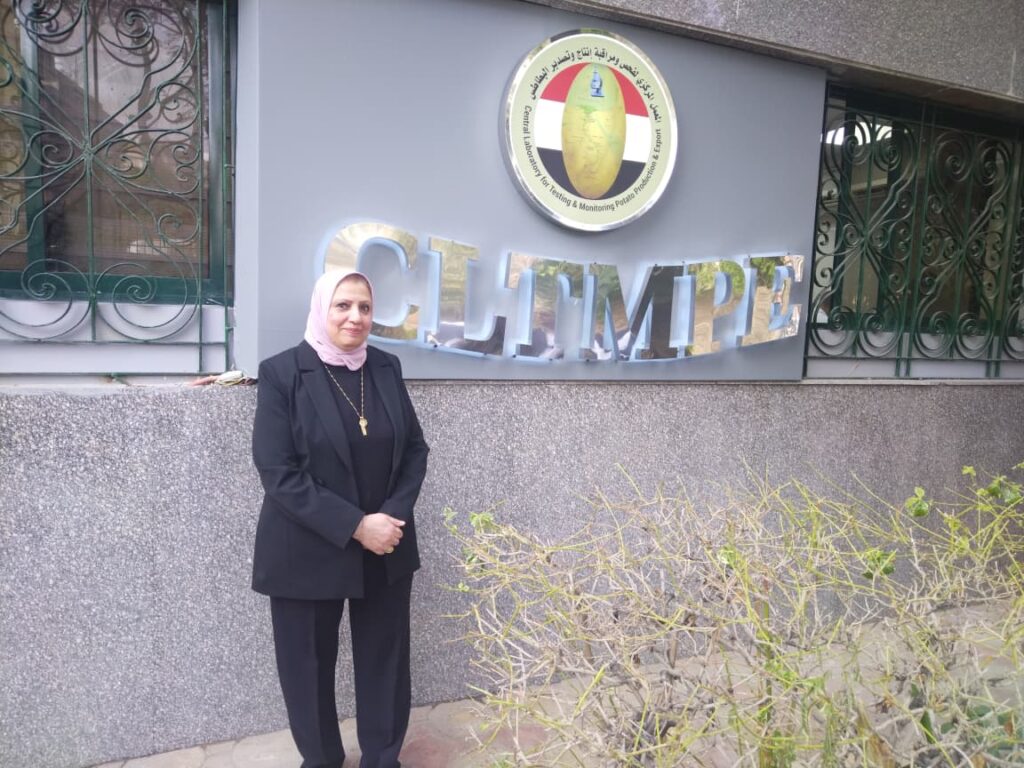
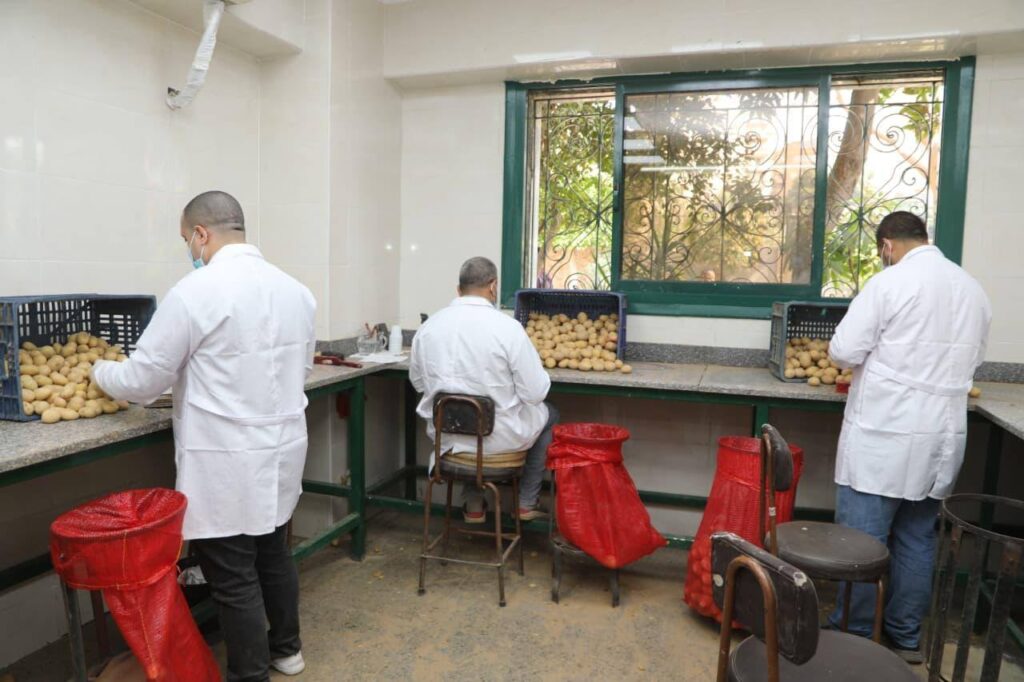
A researcher at the laboratory explained to Food & Climate platform that the upgrade included the use of new chemicals that also shorten testing time.
The potato laboratory tests samples not only from exporters but also from importers to ensure the tubers are free from diseases that could harm the crops.
Balabel added, in her statements to Food & Climate, that they are in the process of establishing a second potato laboratory in Dakhla to serve the surrounding areas.
In response to a question regarding the impact of climate change on the work of the potato laboratory in Egypt, Balabel clarified that the effects of weather conditions are seen in the production process, not in the sample testing process.
Minister Promises to Increase Lab Staff Wages
The potato laboratory in Egypt was established in 1974 under the name “Brown Rot in Potatoes Project,” according to Ministerial Decree No. (4158).
The project’s name was later changed to “Central Laboratory for Examining & Monitoring Potato Production & Export” on December 1, 2025.
Several new facilities, branch laboratories, and expansions have been constructed to increase efficiency, capacity, and productivity.
During the opening ceremony, the laboratory’s director, Naglaa Balabel, stated that the laboratory facilitates safe trade in potatoes, helps identify areas affected by brown rot, adds new disease-free zones annually, monitors potato seeds imported from European Union countries, protects Egyptian lands from disease infiltration, and works to increase export volumes of the crop.
She explained that the laboratory also focuses on research, conducting studies on potato crop diseases.
It is distinguished by its international accreditation certificates and comprises 20 laboratories and branch units.
Minister of Agriculture Alaa Farouk praised the efforts of the laboratory’s staff and researchers, commending their high level of professionalism and efficiency. He urged them to exert even greater effort to improve performance, while also promising to increase their salaries.
The minister emphasized the importance of the laboratory serving as a center for training research and technical personnel, and as a model of cooperation between the public and private sectors. This would be achieved by providing outstanding services to potato producers and exporters, with the aim of maintaining the reputation of Egyptian potatoes in global markets.
Related topic:
Domiatec Agri-Group: We select the highest yield and pest-resistant seeds (Exclusive)