
Food & Climate
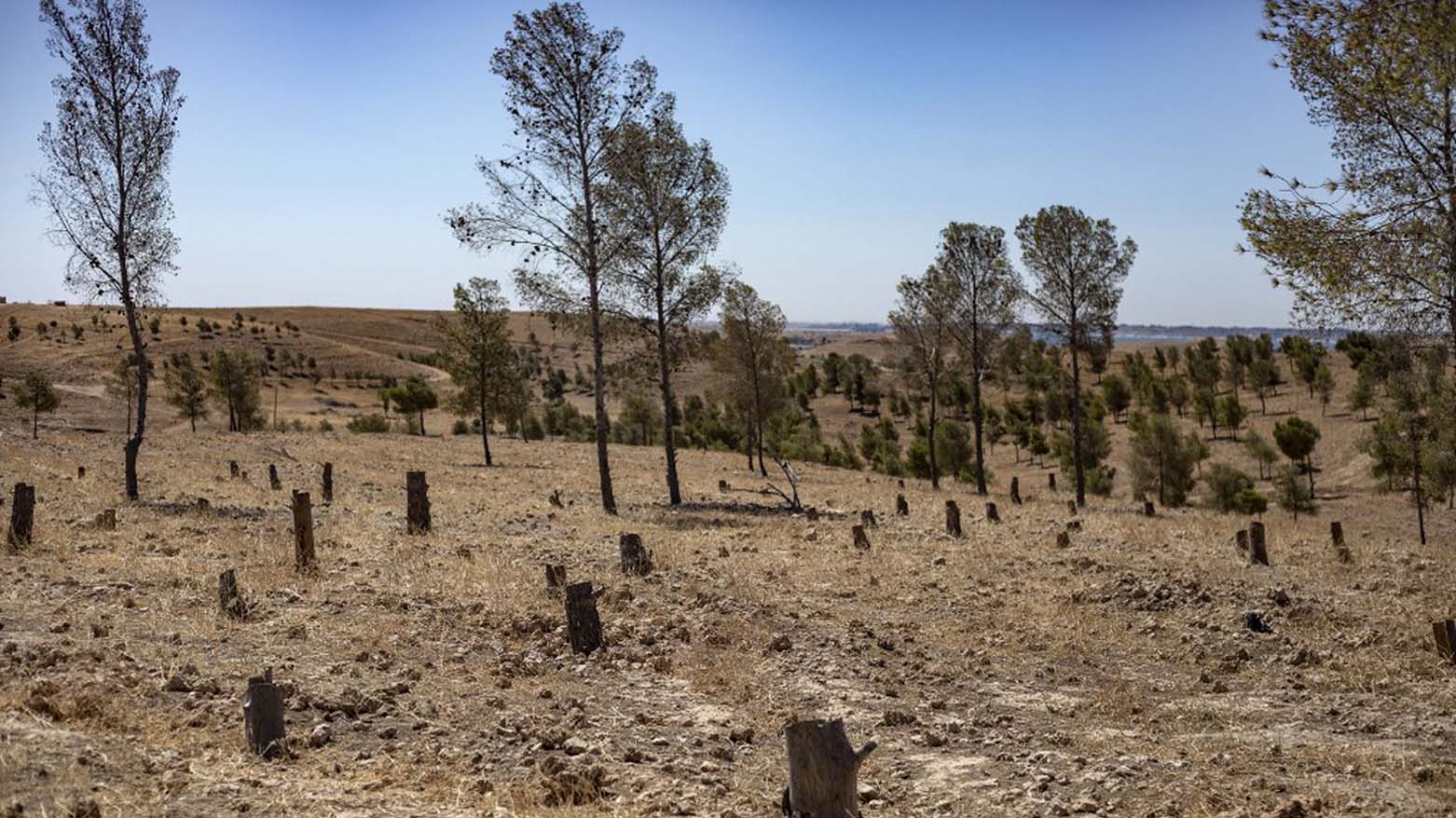
The war accelerated soil degradation in Syria and caused desertification, driven rapid and often informal urban expansion, and severely weakened land administration.
The Arab Land Initiative announced today the publication of the case study “Syria: War disrupts land use and results in violations of housing, land and property rights”, the fifth in a series examining land and conflict dynamics across the Arab region.
The study said that outdated land records, destroyed land registries and overlapping legal frameworks have heightened the risk of arbitrary dispossession, fraudulent transactions and housing, land and property (HLP) violations, particularly for displaced communities.
The conflict that erupted in Syria in 2011 has fragmented the country’s territory, destroyed infrastructure, and severely disrupted livelihoods. Once largely self-sufficient in food production, Syria now faces deep poverty, widespread displacement, and mounting pressure on land and natural resources, according the study that Food & Climate received a copy from.
Soil degradation in Syria and safeguard HLP rights
The Arab Land Initiative study not only concluded that the war accelerated soil degradation in Syria but also the findings highlight the urgent need for Syria to adopt a comprehensive, integrated land administration and management strategy that ensures public participation and safeguard HLP rights.
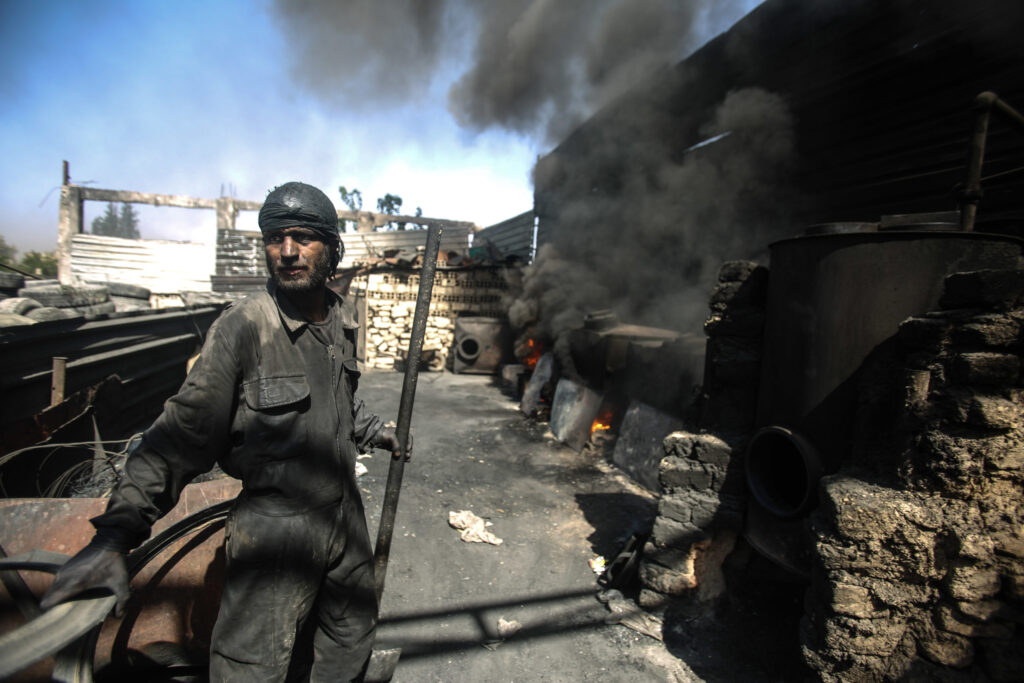
Strengthening land governance institutions and improving coordination across national, regional, and local levels, as well as sectors such as housing, agriculture, and economic development, is essential. Transitional justice and HLP restitution processes must involve IDPs, refugees, and those affected by tenure insecurity, enabling voluntary, safe, and dignified return. Urban infrastructure requires rehabilitation and expansion, while rural areas need ecological and infrastructural restoration to revive livelihoods and food security.
This case study is part of a broader effort to analyze land-related conflict dynamics across the Arab region led by the Arab Land Initiative of UN-Habitat and the Global Land Tool Network (GLTN) in collaboration with the Arab Group for the Protection of Nature (APN) and with the financial support of the Federal Ministry of Economic Cooperation and Development of Germany (BMZ).
This case study does not reflect developments in Syria following the political change in December 2024, when the opposition overthrew Bashar al-Assad’s rule on the 8th of that month.
Cost of food spiraling out of control
On December 12, 2024, the World Food Program USA, said: From 2006 to 2011, an extreme drought pushed hundreds of thousands of people – mostly rural farmers – into hunger and poverty.
Many left their homes and farmland in search of food in urban centers. In the midst of this climate emergency, the Arab Spring – a wave of pro-democracy protests – unfolded in 2010 and swept across numerous countries in the Middle East. In Syria, economic hardship coupled with social frustrations culminated in widespread protests.
Syria entered another drought in 2021 that continues to this day. Water shortages, withering farmland and massive spikes in food prices have driven millions of people into deep hunger.
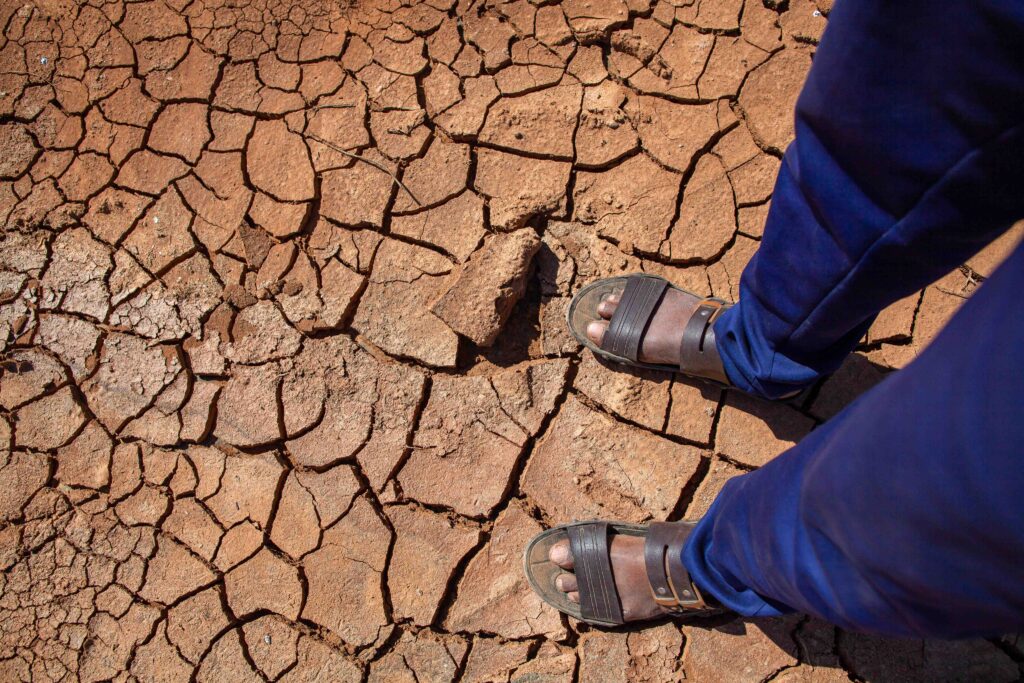
In 2022, the war in Ukraine began and sent shockwaves across the global economy. The economic ripple effects of the war were especially harsh on countries in the Middle East and Africa. While the cost of food and fuel were already climbing in Syria from the drought and civil war, the war in Ukraine conflict sent it skyrocketing.
A year later in February of 2023, two earthquakes struck along the border of Syria and Türkiye. Nearly 6,000 Syrians lost their lives while 600,000 were displaced. The U.N. World Food Programmed delivered food to over a million people affected by the quakes in northern Syria who were already food insecure from the ongoing conflict.
In September of 2024, escalating conflict in Lebanon, a spillover of the conflict in Gaza, sent over half a million people across the border into Syria.
“Prolonged instability has collapsed the Syrian economy. Before the war, roughly a third of Syrians lived below the poverty line. Today, more than 90% of the population lives below the poverty line – that’s less than $2.15 a day. Meanwhile, the cost of living has tripled over the past three years”, it said.
It added: ” As food systems and infrastructure has broken down, the cost of food has spiraled out of control. Today, nearly 13 million Syrians (roughly the population of Illinois) are suffering from extreme hunger”.