

Food & Climate
Germany supports Egyptian potato production and imports agricultural products from Cairo, primarily potatoes, which are produced in large quantities in the African nation, according to Maren Diale-Schellschmidt, chief executive of the German-Arab Chamber of Industry and Commerce (AHD).
Schellschmidt told Food & Climate on the sidelines of the Egyptian-German Business Forum, held in Cairo on Monday, February 9, 2026: “Egypt currently exports large quantities of food products to Germany, primarily potatoes, as Cairo produces significant amounts of them.”
She added: “I believe that many German seeds, fertilizers, and technologies are used in potato production in Egypt”.
Generally speaking, there is also greater development in processing and packaging processes in Egypt.
Commenting on the impact of climate change on business activity in general and food production in particular, Schellschmidt said: “Climate change is a political and social issue, and Germany, as a leader of the European economy, can provide technologies to combat climate change through cleaner energy technologies and the circular economy, and can also offer advice in this regard.”
She continued, “Climate change is a challenge, and businesses must combat and confront it.”
Egyptian potatoes rely on imported seeds from Europe
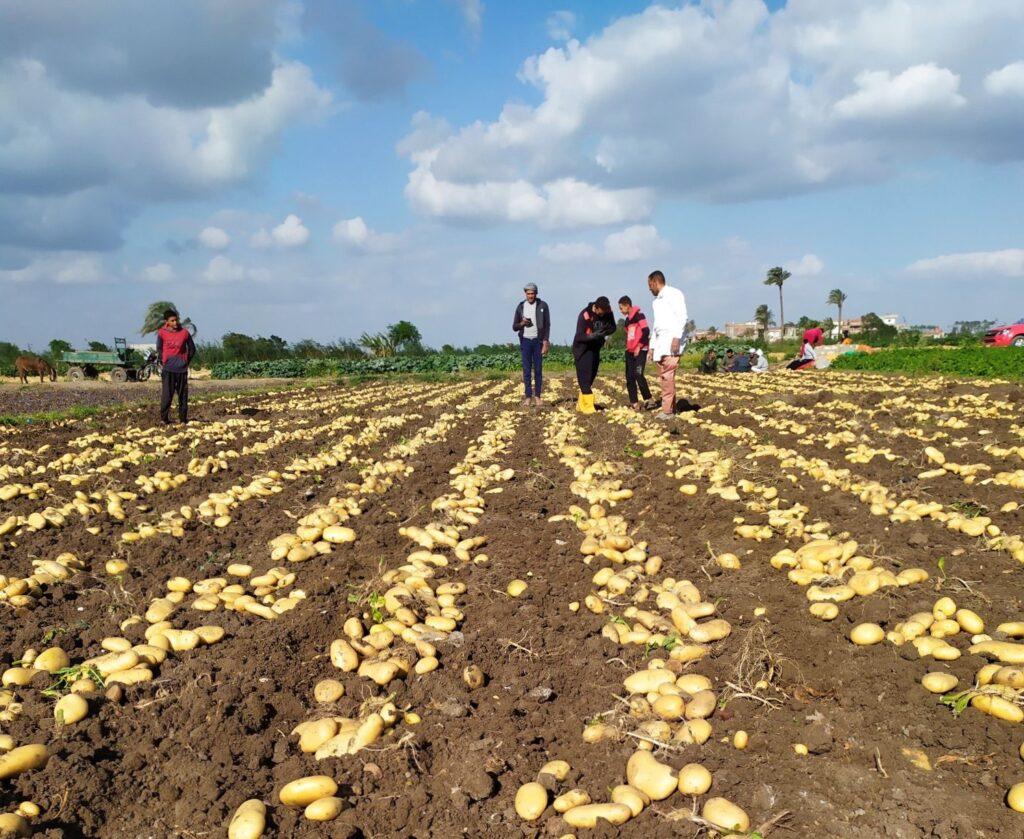
Egyptian potato production is growing significantly, and many companies rely on seeds imported from European countries in particular, which receive a large percentage of Cairo’s exports.
In July 2025, the Egyptian Ministry of Agriculture and Land Reclamation, through the Central Administration for Agricultural Quarantine, announced a new European regulation (No. 1289/2025) aimed at facilitating the export of table potatoes from Egypt to European Union countries, “which is considered a strong boost for Egyptian agricultural exports,” according to a statement issued by the ministry at the time.
The head of the Central Administration for Agricultural Quarantine, Dr. Mohamed El-Mansy, commented at the time, saying, “This achievement is the fruit of joint and intensive efforts between the Egyptian Agricultural Quarantine, the project for surveying and combating brown rot in potatoes, and the Supreme Committee for Regulating Potato Exports at the Ministry of Investment and Foreign Trade, in cooperation with the European side.”
He added that consultations with the European side resulted in positive amendments to the new legislation, most notably increasing the permissible shipment weight and reducing the number of samples required for testing.
El-Mansy continued that these facilitations will significantly contribute to simplifying the procedures for exporting Egyptian potatoes produced in brown rot-free areas to the European Union, thus reducing the costs associated with sample analysis upon arrival.
Exports soar
Egyptian potato exports jumped to 1.31 million tons by the end of the last fiscal year.
Potatoes are a strategic vegetable crop in Egypt, as they are used in manufacturing, in addition to being a source of foreign currency through exports. Potatoes are a staple food crop both globally and locally, as they are a highly nutritious food source and an important alternative to grains, whose prices have risen in recent years for several reasons, including climate change.
However, potatoes in Egypt and around the world are not immune to the effects of climate change. A study published in the journal *Climate Smart Agriculture*, led by molecular biologist Li Jiping, revealed that potatoes exposed to temperatures 3 degrees Celsius higher than current averages in the Hebei and Inner Mongolia Autonomous Regions of China experienced a significant yield reduction of over 50%.
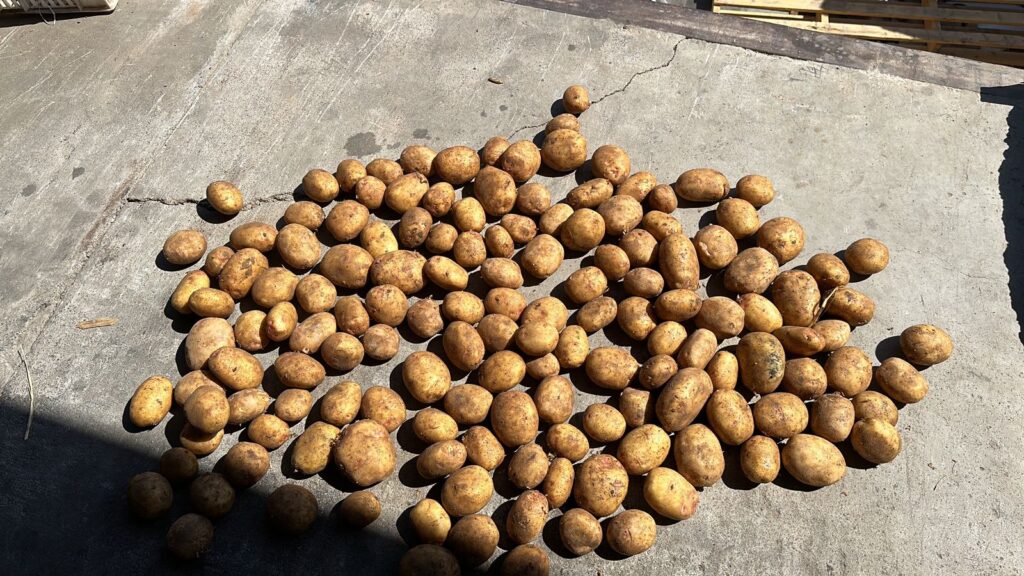
Li noted that while the higher temperatures accelerated tuber growth, they negatively impacted potato size and weight, posing a serious threat to food supplies.
In Inner Mongolia, farmers are struggling with climate-related disruptions, including erratic rainfall, harvest delays, and worsening crop diseases. Wang Xi, director of Hebei Jun Agricultural Development Co., Ltd., reported that heavy rains last year hampered harvesting efforts. Meanwhile, Li Xiu Min, general manager of Yakshi Xinfeng Potato Industry Co., Ltd., expressed concern about the increasing resistance of diseases like late blight to traditional control methods.
Late blight thrives in the warmer, wetter conditions associated with climate change. Chinese researchers are turning to advanced agricultural technologies to combat these challenges.
At a research facility in Yanqing, near Beijing, scientists are using aerobic agriculture and genetic studies to cultivate heat- and disease-resistant potato varieties.