
Food & Climate
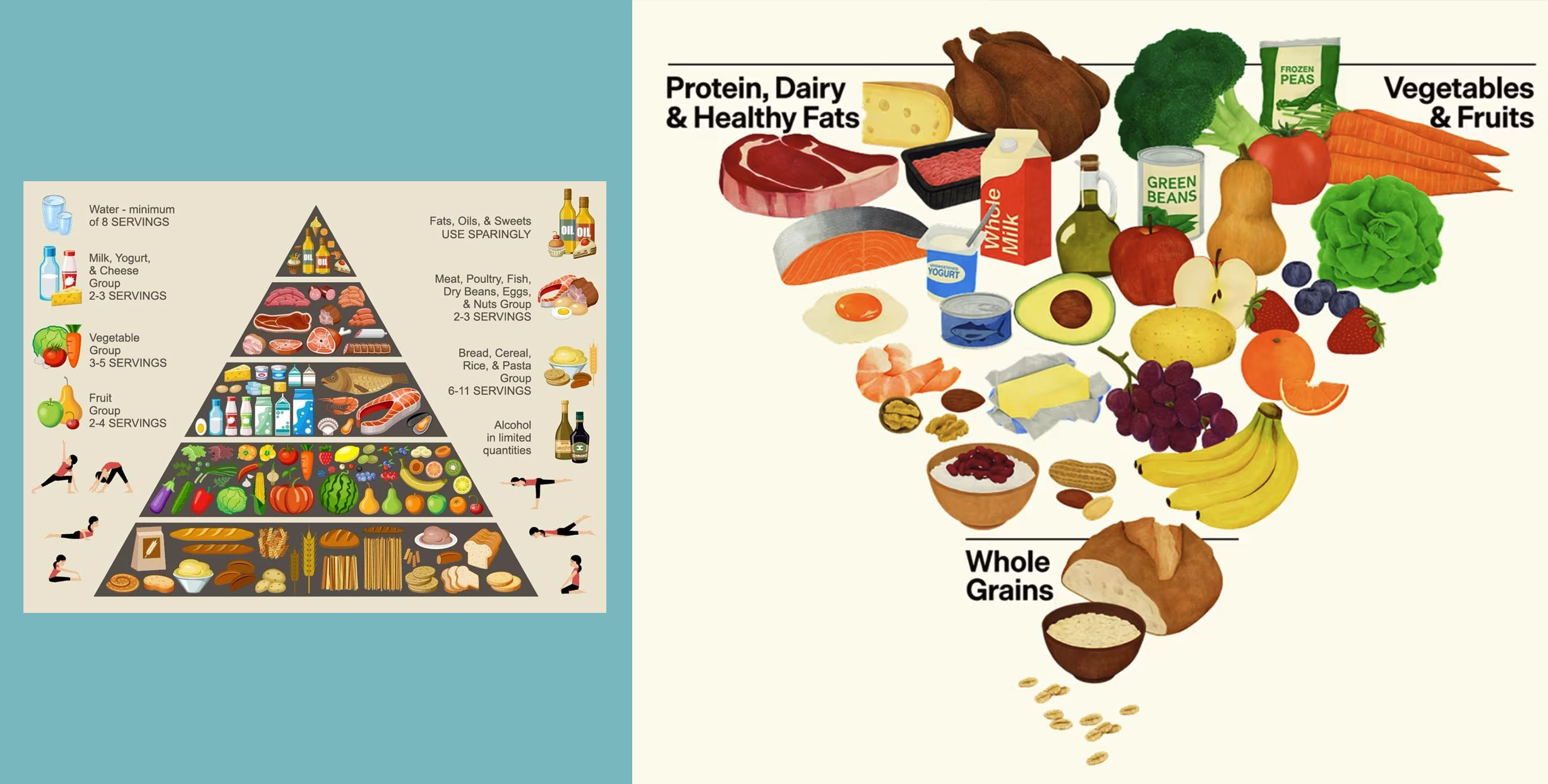
The 2025-2030 Dietary Guidelines, which were just released, recommended encouraging nearly double the protein consumption in US from red meat and full-fat dairy while also touting more extreme—and unscientific—nutrition trends, like cooking with beef tallow.
This despite the new guidelines emphasize fruits and vegetables, as do previous editions, according to a report seen by Food & Climate.
Most of the meat consumed in the U.S. comes from conventional industrial farms.
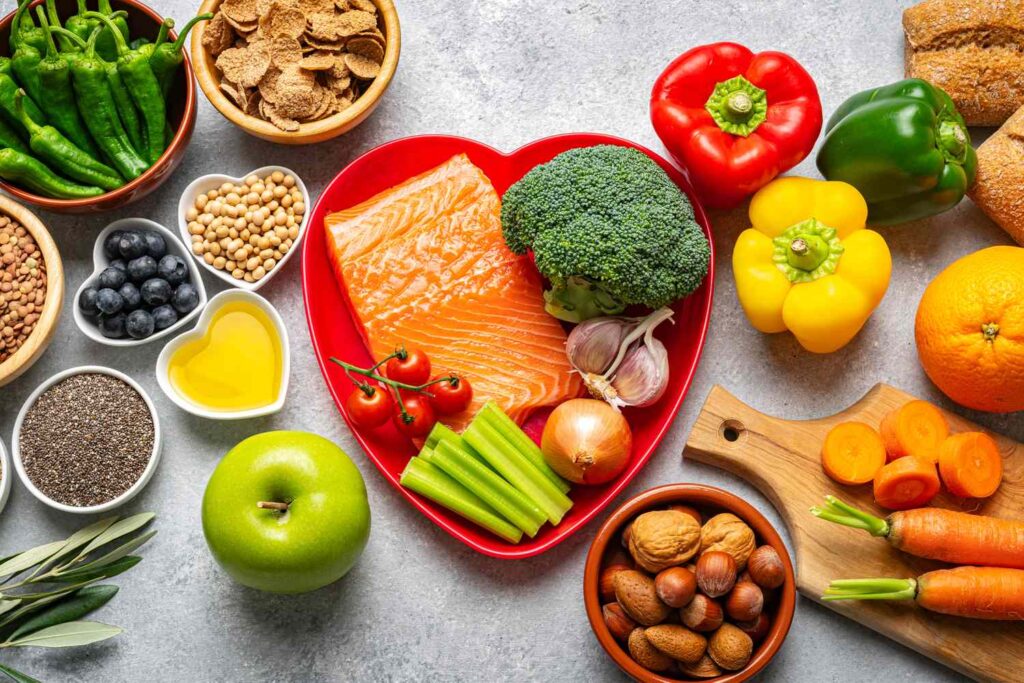
The 2025 Dietary Guidelines Advisory Committee recommended prioritizing plant proteins over animal proteins to achieve the healthiest diet, which also has immense climate benefits: Compared to tofu, beef produces more than 31 times as many greenhouse gases per kilogram.
It also suggests making plain drinking water the primary beverage, while the new guidelines push whole milk. Dairy milk produces about 315 times as many greenhouse gases as tap water.
A single cow produces up to 264 pounds of methane per year
The animals’ digestive process (their burps as they chew their cud) release even more methane; a single cow produces up to 264 pounds of methane per year.
At the same time, sprawling industrial feedlots and dairies gobble up land, polluting waterways and destroying wildlife habitat.
The animal agriculture industry hopes Americans won’t notice, and so far, that seems to be the case.
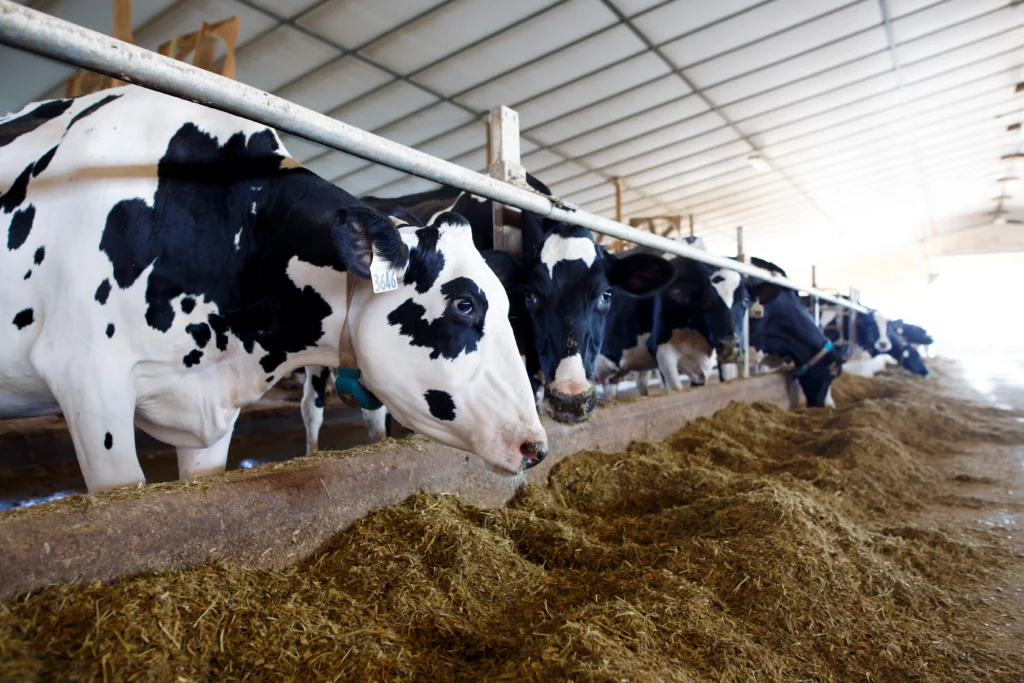
Manure and enteric fermentation (digestion) contributed an estimated 36.7% of total U.S. anthropogenic methane emissions in 2023, according to a 2025 Environmental Protection Agency (EPA) report that the Trump administration tried to bury.
The Intergovernmental Panel on Climate Change warns that we must cut methane emissions by at least a third by 2030 to meet the goal of limiting global warming to 1.5 degrees Celsius.
Yet the opposite is happening in our country. U.S.-based methane and nitrous oxide emissions from manure management increased 66 percent and 25 percent, respectively, from 1990 to 2023. These disturbing increases came despite the decrease in greenhouse gases from other sources such as coal mining, landfills, and vehicles.
A new progress report from the U.N. Environment Programme also found that the U.S. is seriously off track to meet its Global Methane Pledge (which the U.S. helped launch in 2021).
To tackle this urgent problem, it’s critical to accurately measure the near-term effects of this short-lived super pollutant. Measured on a 20-year time frame, methane is 80 times more potent than carbon dioxide. But most estimates, including the EPA’s, use a weaker 100-year time frame to measure global warming potential, which shows methane as 28 times more potent.
Doubling the protein consumption in US and diluting the data
Whilethe new edition of Dietary Guidelines recommended encouraging nearly double the protein consumption in US, the industrial animal agriculture industry is trying to dilute and distort the data even more through heavy greenwashing.
For example, it’s aggressively lobbying for a new metric that measures changes in greenhouse gas emissions compared to emissions in any chosen baseline year. That means a livestock operation would be considered “climate neutral” if it continued polluting at the same rate as the baseline year, even if that baseline showed sky-high methane emissions.
Under this ridiculously permissive metric, industrial operations with huge methane footprints would falsely appear to be “carbon neutral” as long as they continue business as usual, but a small farmer in the Global South would look like a big polluter if they increased their herd from 15 to 20 cattle.
Another industry-favorite false solution is biogas conversion, which is the practice of capturing manure methane from dairy cows and turning it into fuel via anaerobic digestion. This has incentivized companies to produce massive quantities of liquid manure to convert to gas.
In addition to prompting the creation of more manure, biogas production endangers frontline workers and neighboring communities. It’s also been shown to increase nitrous oxide pollution and deemed unlikely to ever achieve carbon-neutral energy at scale.
The industry claims that it can handle its manure problem through waste management tactics such as covering the manure to trap emissions and using manure as fertilizer.
But waste management facilities are hazardous and difficult to manage, posing frequent risk of accidental breach and leakage. When manure lagoons flood, they damage surrounding communities, spilling millions of gallons of fecal waste containing contaminants like pathogenic bacteria, heavy metals, volatile organic compounds, insecticides, and pharmaceuticals.
And using manure as fertilizer increases the likelihood of runoff and water contamination down the line. Manure is already a primary source of water pollution from nutrient discharge. Animal agriculture manure runoff leaches nitrogen and phosphorous into surface and groundwater, depleting oxygen levels in water bodies and creating “dead zones” that kill aquatic life and can cause toxic algal blooms that are harmful to humans as well.
There is growing support in some quarters for factory farming “efficiency” as a way to reduce emissions, but it’s a false solution. Industrial animal agriculture is responsible for the vast majority of deforestation, air and water pollution, toxic pesticide use, and other threats to our climate, environmental health, and biodiversity. It’s hard to believe that the very thing that caused the problem will be its solution.