Food & Climate
The government aims to increase production of chickpea in Lebanon to meet 40% of domestic demand by 2030, compared to 30% currently, while ensuring production meets the highest quality standards and boosting employment opportunities in the agricultural sector.
Despite favorable conditions for chickpea cultivation, local production has struggled to meet national demand, and Lebanon now imports more than 70% of the chickpeas it consumes, according to a report reviewed by Food & Climate.
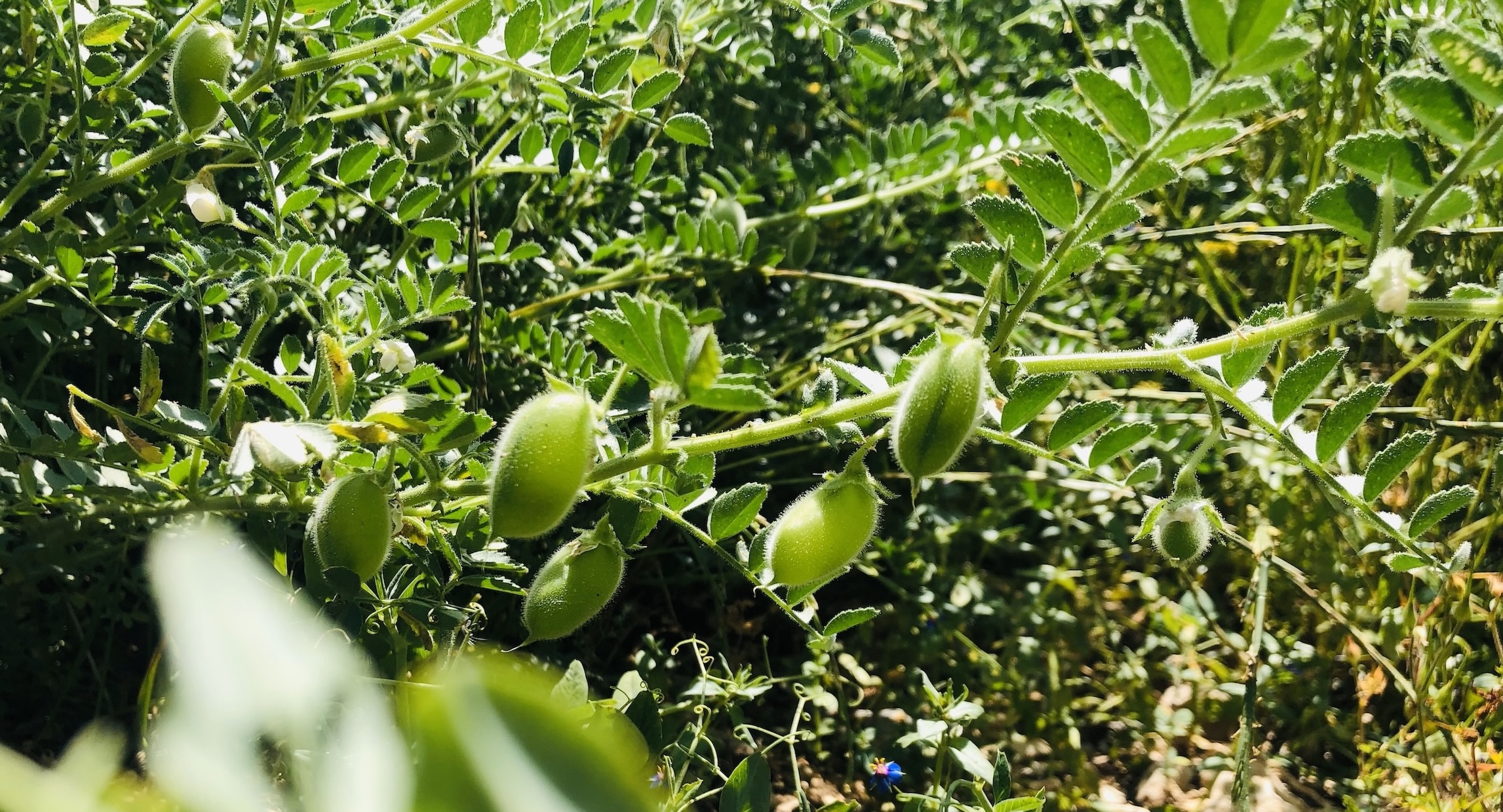
Several factors have long hampered chickpea production in Lebanon, such as limited access to quality seeds, outdated farming methods, and inconsistent production and quality. This has led many farmers to abandon a crop deeply rooted in their land and food culture.
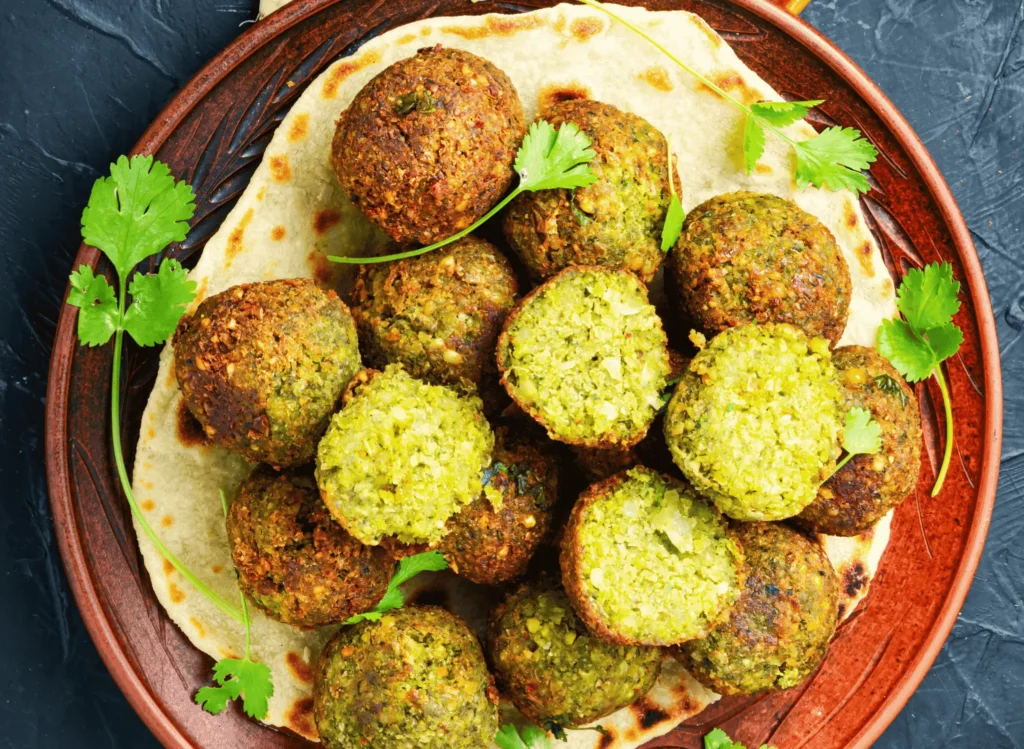
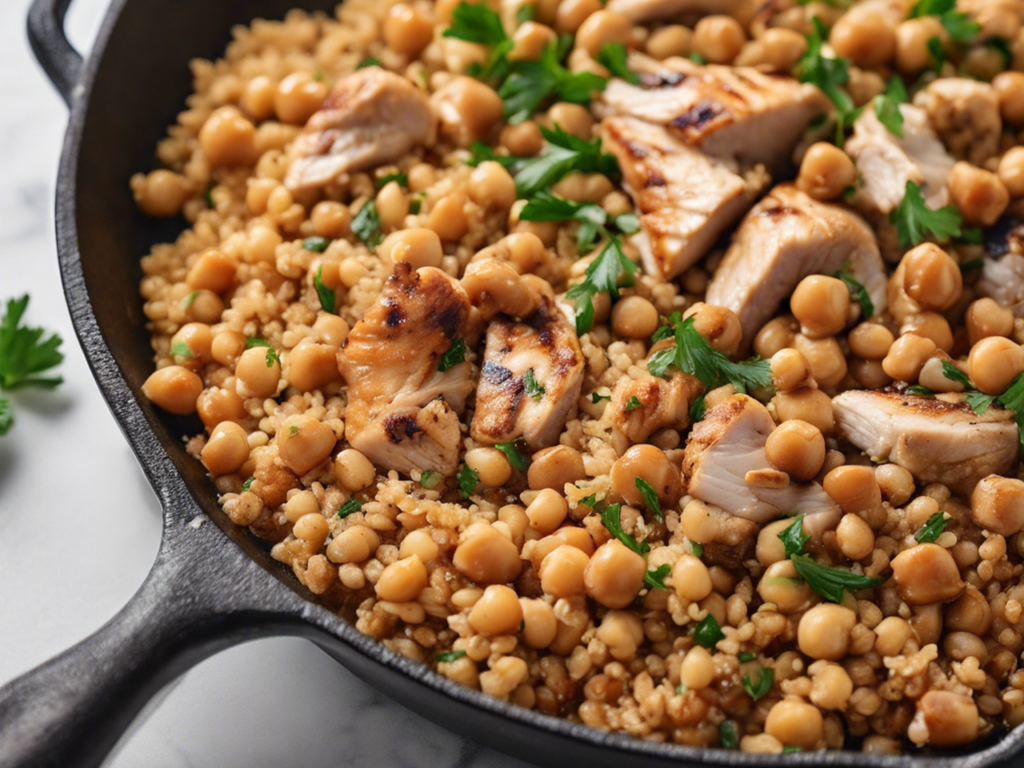
For generations, chickpeas have been at the heart of Lebanese cuisine, prepared in many ways: creamy hummus with tahini, crispy fried falafel balls, and the main ingredient in the warm and beloved chickpea salad known as balilah.
Chickpeas are so deeply intertwined with the country’s cultural identity that the average local consumption is around 3.25 kilograms per person annually.
Innovative Products of Chickpea in Lebanon
Since joining the “One Country, One Priority Product” initiative in 2022, Lebanon has laid a solid foundation for strengthening the chickpea value chain, focusing on training, demonstrations of improved farming methods, and post-harvest practices.
To date, 520 farmers have been trained in crop management, and an additional 29 Ministry of Agriculture staff members have been trained to deliver field demonstrations to disseminate best agricultural practices more widely.
This extends beyond fieldwork, as Lebanon is also working to raise awareness about chickpea production through public events and value chain discussions. These initiatives connect farmers with consumers, policymakers, markets, and stakeholders in agricultural and food systems, strengthening the link between local production and national food security and nutrition.
The sector is also witnessing increasing innovation, with new chickpea-based products in Lebanon expanding market reach and increasing the value of local production, such as gluten-free flour, roasted snacks, protein bars, pasta, chips, and beverages.
Farmer training
Many farmers in the Bekaa Valley are participating in the government’s renewed efforts to revive chickpea production in Lebanon, under the “One Country, One Priority Product” initiative led by the Food and Agriculture Organization (FAO) and implemented in partnership with the Lebanese Ministry of Agriculture.
With access to improved seeds of better varieties, practical training, and field demonstrations, farmers are rediscovering the potential of their land to support resilient and profitable chickpea cultivation. Farmers can now forgo recycled roasted seed stocks and switch to certified, high-performance varieties bred for higher yields, better disease resistance, and superior market characteristics.
Farmers are learning land preparation techniques and integrated pest and disease management, focusing on early detection and preventative measures such as using pheromones and insect traps instead of chemical pesticides when infestations occur.
Chickpeas are not only a rich source of plant protein but also a soil improver. They are primarily grown in rainfed areas and work in symbiosis with nitrogen-fixing bacteria, enhancing soil fertility and reducing the need for chemical fertilizers.
At the heart of this agricultural revival lies a significant shift: the introduction of winter chickpea varieties developed by the Agricultural Scientific Research Authority.
These varieties are highly resistant to cold and drought, allowing farmers to plant them earlier, in November and December, instead of March. This allows for optimal use of rainwater during the growing season and reduces the chickpeas’ vulnerability to drought stress, especially since chickpea production is primarily rainfed, leading to increased yields.
This shift is evident in northern Lebanon. Bilal Abdel Karim Mohammed, who has been farming in the region for four decades, said: “The initiative isn’t just about increasing production; it also addresses issues like sustainability and cost-effectiveness.”
He added: “We’ve learned organic farming practices that are less expensive and more beneficial for soil health.”
He continued: “Production has increased significantly. I can now produce 300 kilograms per dunam (1,000 square meters), which is excellent. The quality, taste, size, and texture are also much better.”