
Food & Climate
Meat consumption decline has never happened in all of human history, so it seems very unlikely that it’s going to happen now, Bruce Friedrich says. “everywhere in the world where incomes rise, meat consumption rises”.
For someone aiming to end the global livestock industry, Bruce Friedrich begins his new book – called Meat – in disarming fashion: “I’m not here to tell anyone what to eat. You won’t find vegetarian or vegan recipes in this book, and you won’t find a single sentence attempting to convince you to eat differently. This book isn’t about policing your plate.”
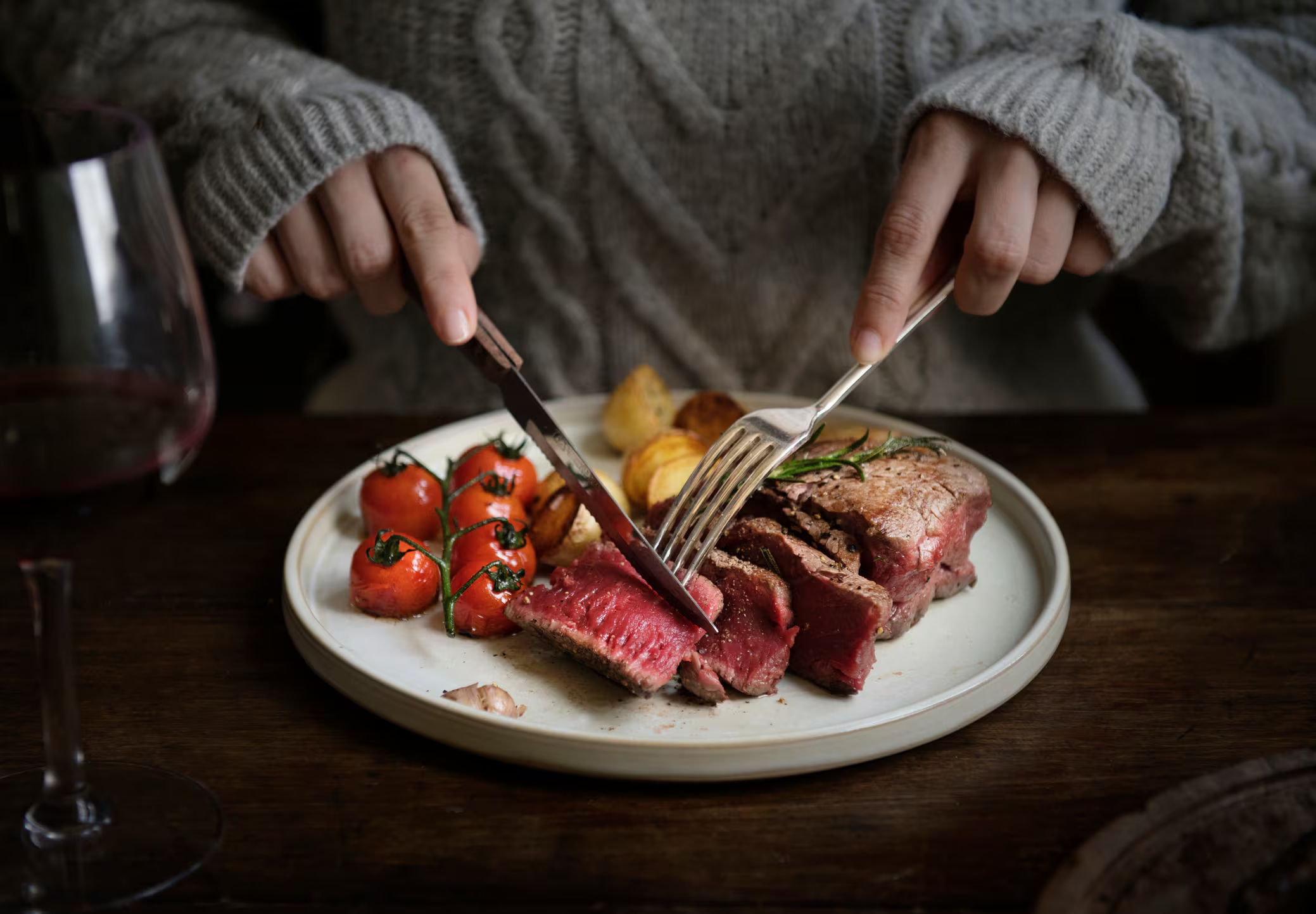
Friedrich, a vegan for almost four decades, says meat is “humanity’s favourite food”.
Global meat consumption has risen every single year since good records began in 1961. Humans have eaten meat for about 2.6m years and farmed animals for about 12,000 years, according to a report seen by Food & Climate.
“It appears to be biological,” he says. “Meat has dense calories, which come from a lot of fat, and it has an umami flavour that humans have evolved to crave. Plus, meat is deeply rooted in most cultures and is the centrepiece at many social gatherings.”
How meat consumption could decrease
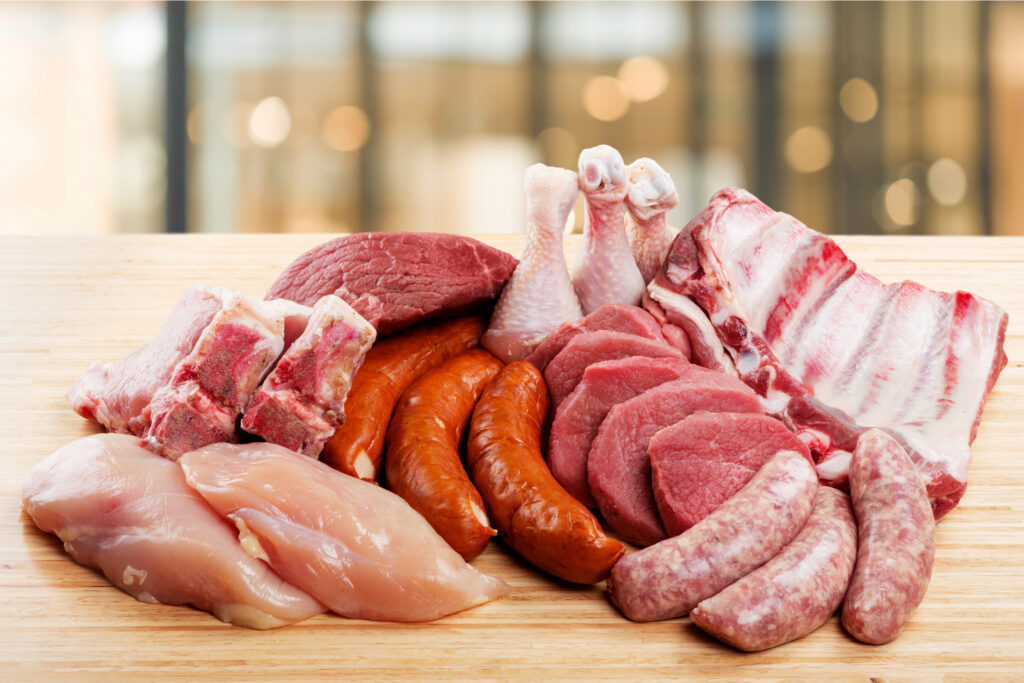
Bruce Friedrich says: “If we’re going to address the world’s insatiable craving for animal meat, we’re going to have to replace like for like.” That means cultivating meat from cells in brewery-like factories or making taste-identical plant-based meats. In both cases, for people to buy them, the products must also cost the same or less than conventional meat.
These alternative proteins are the electric vehicles (EVs) of food, Friedrich says; the same experience, but better: “Just like a car doesn’t now need a combustion engine, a phone doesn’t need a cord, and you can take pictures without film, you can make meat without the need for live animals”, according to The Guardian.
Friedrich, head of the nonprofit Good Food Institute, which focuses on accelerating scientific research on these alternative proteins, is convinced conventional meat could be replaced: “If plant-based meat or cultivated meat doesn’t reach price and taste parity, it will be because of a lack of will, not because the science doesn’t work.”
It is possible that all industrial meat will be cultivated or plant-based by 2050, he says, with a niche market in regeneratively farmed conventional meat. Analysts at McKinsey, Barclays and Credit Suisse have estimated a 50% share by mid-century.
If China went all-in for example, he says, conventional meat could be all but history by mid-century: “They took EV sales [at home] from 1% to more than 50% in the 10 years to 2025, and that’s a tougher tech challenge and scaling challenge than alternative meats.” Alternatively, a tech company such as Google or Microsoft could go all-in and leverage AI to solve the key challenges, he says.
Friedrich thinks the rapid acceleration in the rollout of alternative proteins – the steep part of the S-curve growth that EVs are now on – will happen when they get to price and taste parity, and that could be within a decade.
Even if progress is slower, the prize is great, he says, as every 10% of conventional meat replaced by alternative proteins has about the same climate impact as replacing all the world’s fossil-fuelled vehicles with EVs.
Shockingly inefficient’
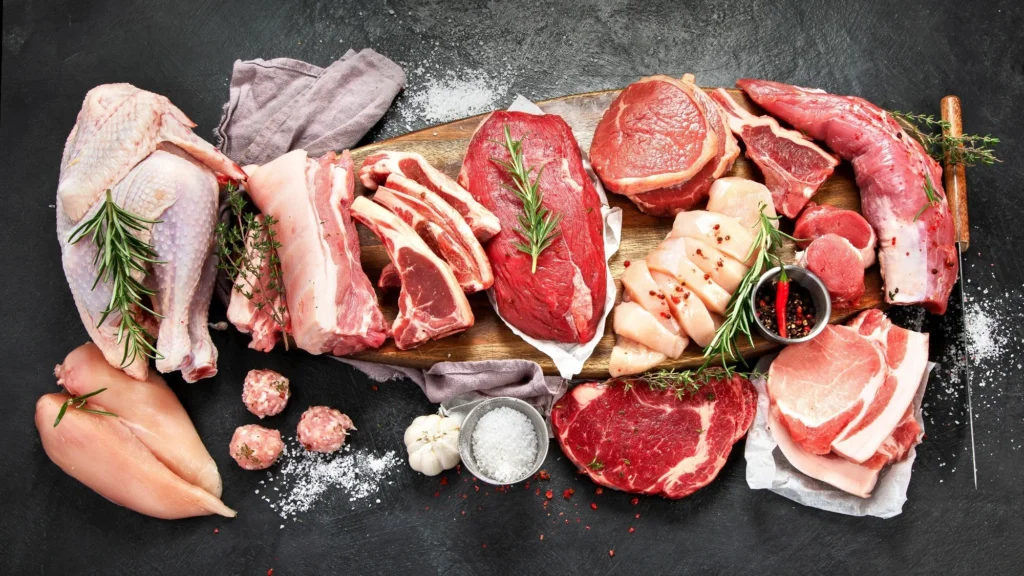
Friedrich is a compelling advocate for his goal of ending industrial agriculture, with answers for the many criticisms: “It’s just a shockingly inefficient way of producing food. It takes nine calories of crops to get one calorie of chicken, 10 or 11 calories of crops to get one calorie of pig meat or farmed fish and 40 to 100 calories of crops to get one calorie of beef.”
But are people ready for such a seismic change? The list of advantages of alternative proteins is long and not just environmental. More efficient food production can feed more people, he says – 673 million people went hungry in 2024. Livestock farming also drives up the risks of two of the world’s most concerning global health scourges: antibiotic resistance and pandemics.
But these facts have failed to shift people’s diets. “If somebody doesn’t know about these benefits, it’s because they don’t want to know. Meat consumption just continues to go up,” he says.
Frequently raised is the “yuck factor” of cultivated meat. This is overblown, Friedrich says.
“People are not eating meat because of how it’s produced,” he says. “They’re eating meat because it’s delicious and affordable. All of the polling indicates significant enthusiasm for cultivated meat, especially among people who eat the most meat”.