
Food & Climate
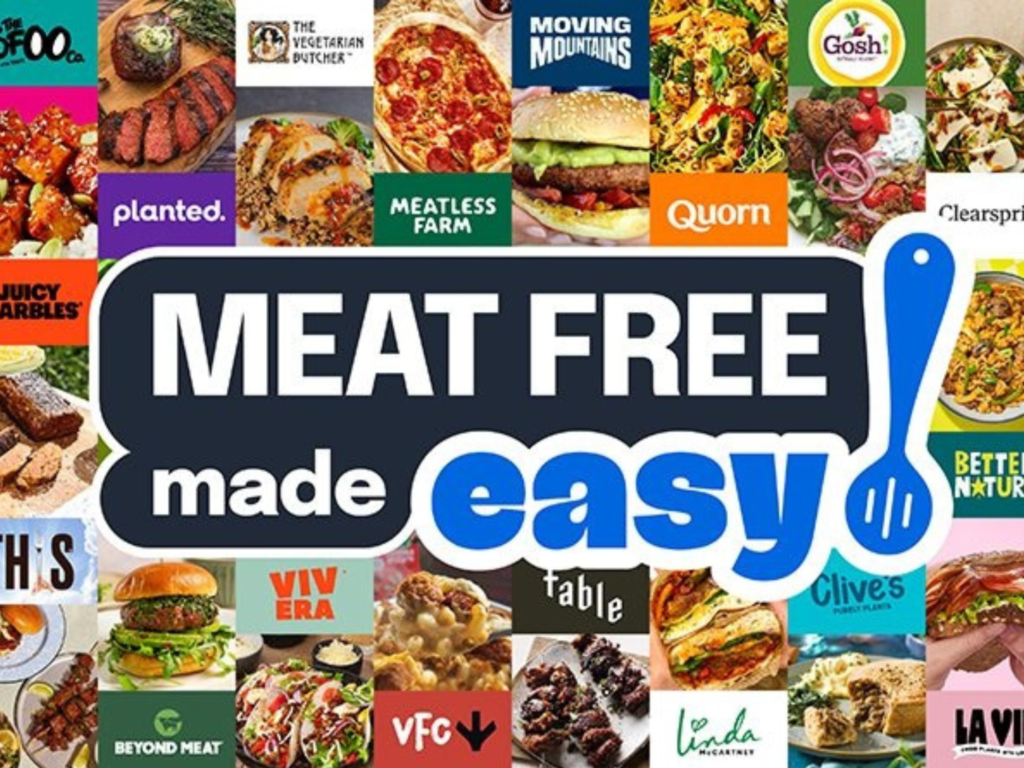
Meat Free Made Easy, a UK campaign to help people eat less meat, has launched a new platform that leverages collaborative marketing to attract more people to the plant-based sector.
Months after bringing together more than 50 food companies, retailers, restaurants and organisations for the Meat Free Made Easy campaign, UK consultancy Plant Futures has officially unveiled a digital platform to drive shoppers to the meat-free category.
The coalition involves the likes of Beyond Meat, This, Linda McCartney Foods, Quorn, Compass Group, Mildreds, Vegan Food Group, and Sir Paul McCartney’s Meat Free Monday movement, among others, according to a report seen by Food & Climate.
The collective marketing drive, spearheaded by Plant Futures, is targeting what the consultancy calls “open omnivores” – meat-eaters who are open to trying plant-based foods, especially meat alternatives, and actively seeking to reduce their meat consumption.
This new platform hosts a collection of brand-led recipes that speak to the consumer demand for “easy, delicious, and filling” meals.
Meat Free Made Easy isn’t owned by a single brand
Plant Futures founder and CEO Indy Kaur told Green Queen: “Meat Free Made Easy isn’t owned by a single brand, retailer, or agency,”.
The platform lists recipes like a peanut ramen with Juicy Marbles, a shawarma kebab bowl with Vivera, and veggie stir-fry with Tiba Tempeh, all marked with the total cooking time to underline the convenience factor.
“Many [consumers] are also looking for protein-packed and higher-fibre options, so we’re placing more emphasis there too,” says Kaur.
“We take these insights and translate them into a clear, simple brief that brands can work from. This included things like store-cupboard ingredients, minimal steps, and low effort with high impact,” she adds.
“Plant-based food already excels here, it’s quick, versatile, and adaptable, so the platform is really about showcasing what the category already does well, but in a more joined-up and accessible way.
“Many brands already have recipes in their banks, so there often isn’t a significant new investment required. That’s what makes it a win-win: we maximise what already exists and focus on collective visibility and cut-through, rather than everyone working in isolation.”
Partnerships with retailers
Website of Meat Free Made Easy highlights the campaign’s partnerships with retailers like Sainsbury’s, which is offering discounts on select meat-free products.
“Experienced plant-based consumers already have trusted go-to products and meals, but for everyone else, the category can feel overwhelming,” says Kaur.
“Meat Free Made Easy strips that back and offers a simple, welcoming entry point, with no agenda, just practical inspiration for everyday mealtimes.”
While the plant-based sector has relied heavily on individual brand growth and trend momentum, the collective marketing approach has been a hallmark of dairy, meat and fresh produce – more established categories where the aim is to grow overall demand.
“Plant-based hasn’t traditionally worked this way, largely because it’s still an early-stage category and doesn’t yet have access to the kind of government-backed funding mechanisms seen elsewhere,” Kaur outlines.
“Plant-based, by nature, has been defined by innovation and an entrepreneurship mindset. Trying new and disruptive is very much in our DNA. Meat-Free Made Easy is a clear example of that mindset in action.
Kaur notes that the campaign is deliberately using an organic approach to extend its reach, banking on the “collective power of brands, retailers, and shared social amplification, before layering in anything else”. This enables a true test-and-learn environment.

“Organic gives us the cleanest signal and helps us build a data-backed blueprint for growth. Rather than guessing where the budget should go and when funding becomes available, we know exactly where to invest it for maximum impact,” she says.
“What’s exciting is that the foundations are now set, and once we can unlock more funding, we’ll be able to move faster and at scale.”
For Meat Free Made Easy, the first measure of success is simple: does a collective campaign actually work? “The answer is yes.
“In May, we reached 1.08 million people on Instagram alone in just four weeks. That’s without paid media, which shows what’s possible. Imagine what could be achieved across multiple channels and with investment layered in.