Food & Climate
The 2025 Food Price Index rose compared to 2024, but declined in December compared to November, due to lower prices for some commodities, including meat, which fell as a result of drought in Australia, according to the monthly report issued by the Food and Agriculture Organization (FAO) on Friday, January 9, 2026.
The report, obtained by Food & Climate, revealed that the FAO Food Price Index fell by 0.6% in December 2025 on a monthly basis, and by 2.3% compared to its level a year earlier.
The Food Price Index was 22.4% lower than its peak in March 2022 (following the start of the war in Ukraine and the disruption of Black Sea grain supplies, particularly from Russia and Ukraine, the largest producers), while the index rose for the entirety of 2025, increasing by 4.3% compared to 2024.
Despite the fact that nearly four years have passed since the outbreak of the war between Russia and Ukraine (in February), the conflict in the Black Sea continues to cast a shadow over grain prices, according to a FAO report.
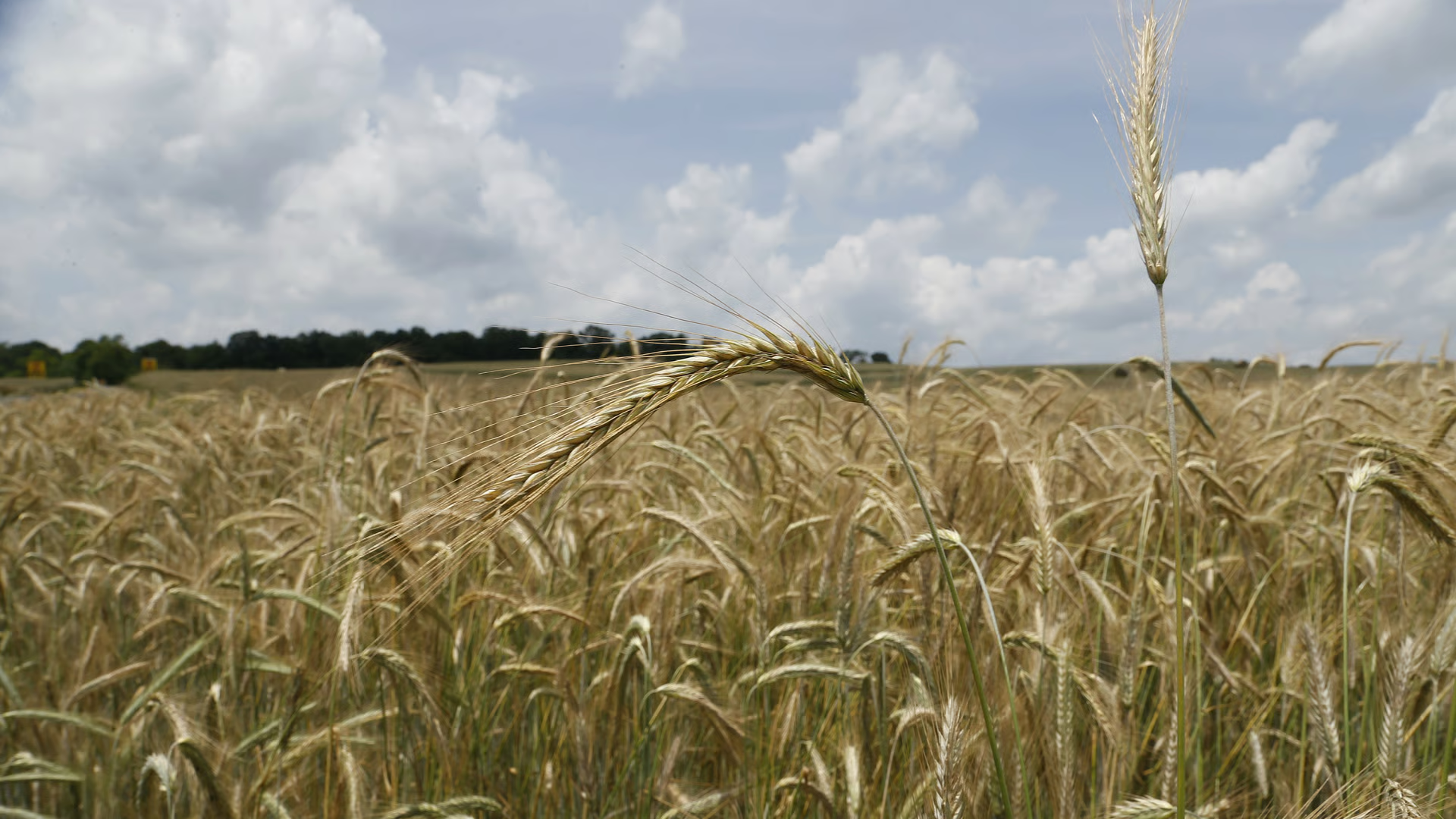
The report indicated that the grain index rose by 1.7% last month, driven by a number of factors, including renewed concerns about Black Sea export flows supporting global wheat prices.
However, the Food Price Index for grains revealed that markets remained under pressure due to ample supply, with confirmation of abundant harvests in Argentina and Australia reinforcing the downward trend.
Meat lead Food Price Index downward
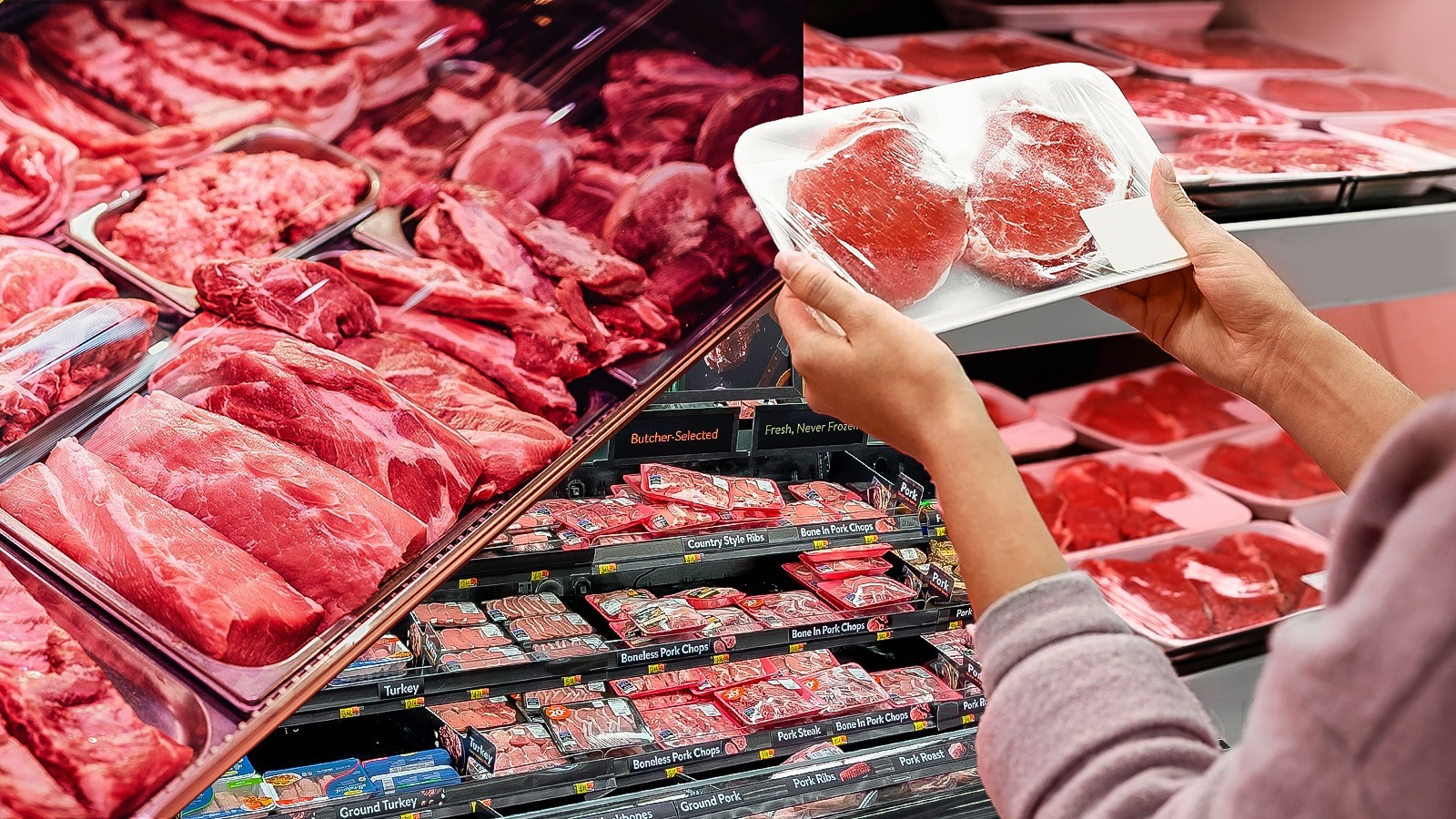
The FAO Meat Price Index fell by 1.3% in December 2025 on a monthly basis, but remained 3.4% higher than a year earlier.
Prices declined across all meat categories, led by beef and poultry, as prices in Australia fell due to seasonal drought conditions reducing herd sizes and increasing the availability of livestock for slaughter.
Poultry prices fell due to ample exportable supplies, while sheep prices declined amid larger seasonal supplies entering the market, despite continued strong global import demand. Pork prices were driven by weaker prices in the European Union due to lower global demand.
The Meat Price Index increased by 5.1% in 2025 compared to 2024, supported by strong global import demand and increased market uncertainty due to animal disease outbreaks and geopolitical tensions. Global beef and sheep meat prices saw a sharp year-on-year increase, driven by strong import demand and limited export supply.
In contrast, pork prices declined due to weak global import demand, while poultry prices fell slightly due to ample supply.
Rice and maize prices
Global maize markets rebounded thanks to strong export demand and robust domestic ethanol production in both Brazil and the United States in December 2025. Sorghum also recovered, despite slow sales to China, the world’s largest sorghum importer.
The FAO Rice Price Index increased by 4.3%, driven by harvest pressures, improved demand, and supportive policy measures. However, prices fell by 4.9 percent year-on-year, marking the lowest annual average since 2020, and by 35.2% in 2025, due to ample export supply, intense competition among exporters, and reduced purchases by some Asian importing countries.
The FAO All Vegetable Oils Price Index fell by 0.2% month-on-month, reaching its lowest level in six months, with the exception of palm oil, which rose due to a seasonal decline in production.
The index for all Vegetable Oils roses by 17.1% in 2025.
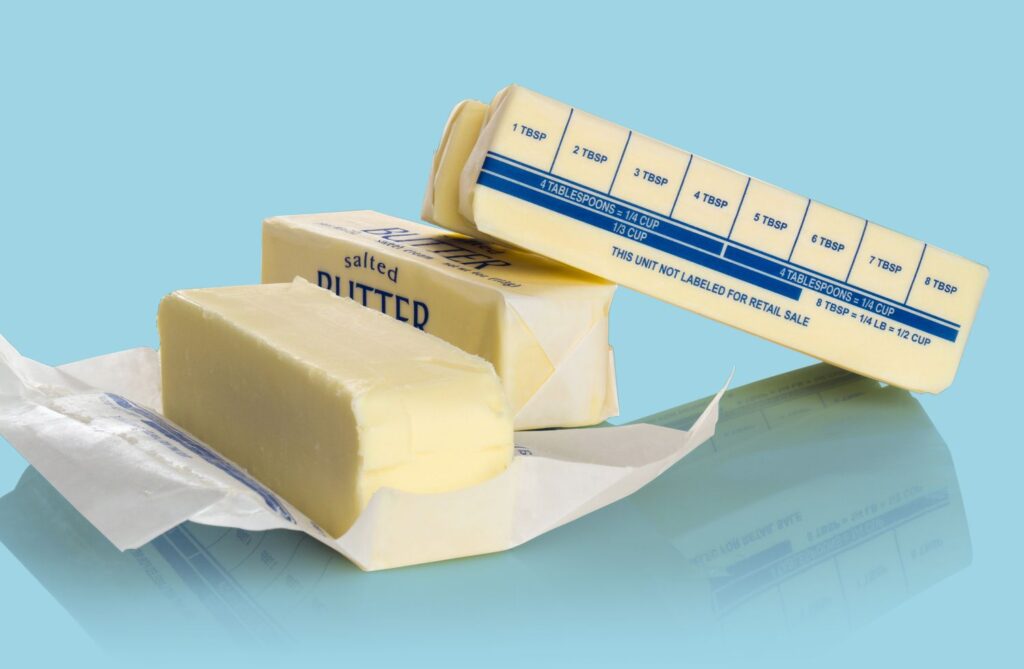
The FAO Dairy Price Index fell by 4.4% month-on-month, led by a sharp drop in butter prices, driven by a seasonal increase in cream supply in Europe and stockpiling following strong production earlier in the year.
Despite this, the FAO Dairy Food Price Index rose by 13.2% in 2025, reflecting strong price increases during the first half of the year.
The FAO Sugar Price Index rose by 2.4 percent month-on-month in December 2025, after three consecutive months of decline, but remained 24% lower than its level a year earlier.
The FAO Sugar Price Index averaged 17.0% in 2025 compared to 2024, recording its lowest annual value since 2020, amid an abundance of exports.