
Food & Climate
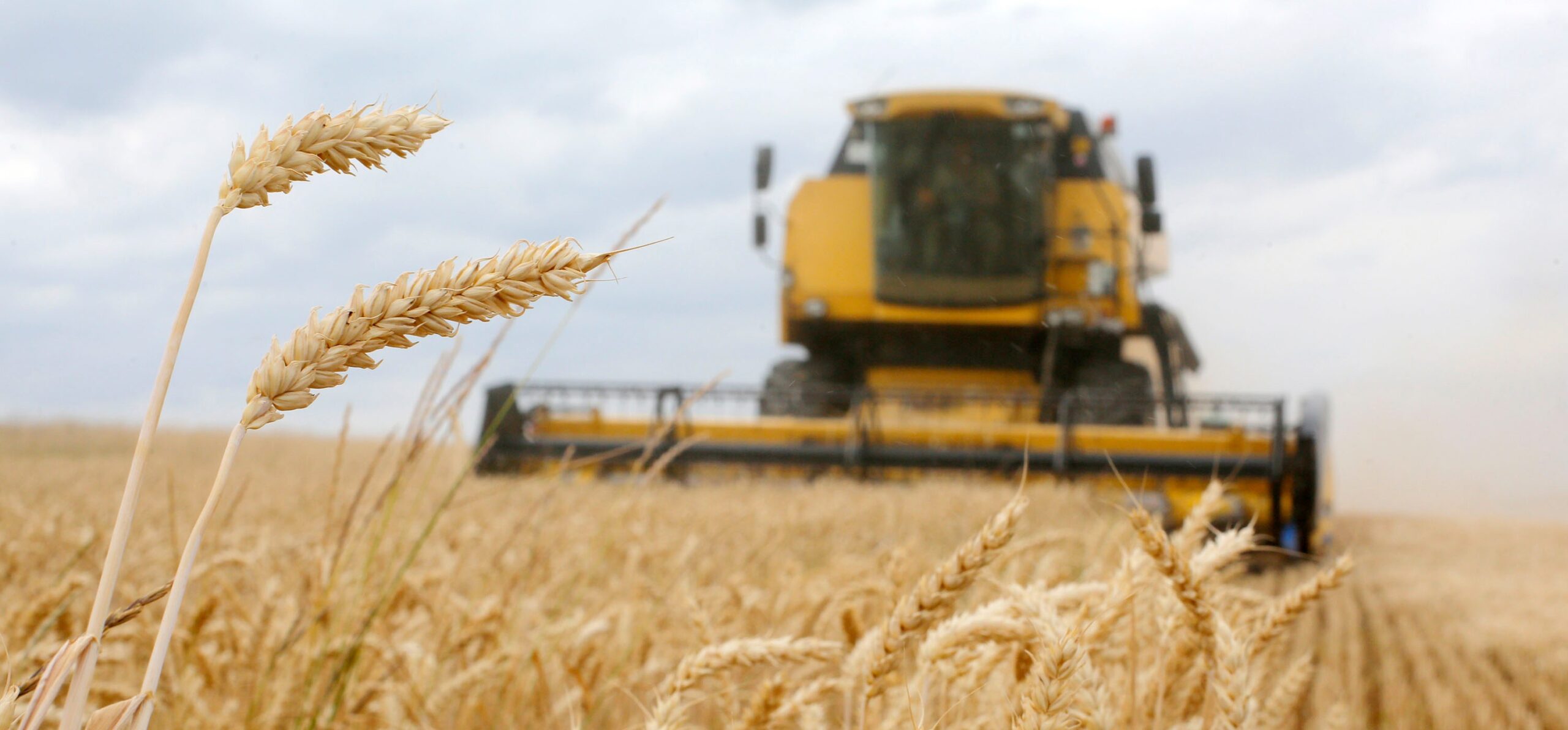
The Food Price Index (FPI) published by the Food and Agriculture Organization of the United Nations (FAO) fell for the third consecutive month in November 2025, as prices for all its constituent commodities declined, with the exception of cereals, which reversed its months-long downward trend thanks to anticipated Chinese demand for US wheat.
The food index fell by 1.2%, or 1.5 points, in November, while the cereal index rose by 1.8% on a monthly basis. However, it remained 5.3% lower than prices in the same month of 2024, despite expected ample supplies in Argentina and Australia, two of the world’s largest producers, according to the report received by Food & Climate.
However, global wheat prices rose by 2.5%, driven by potential Chinese demand for US production, concerns about continued hostilities in the Black Sea region (the war between Russia and Ukraine, the world’s two largest wheat producers), and an expected decline in cultivated land in the former Russian Federation.
Global corn prices also increased last month, supported by strong demand for Brazilian production and reports of harvesting problems in fields due to rain in Brazil and Argentina.
Prices for barley, sorghum, and soybeans rose, with rice being the sole exception to the overall grain price increase, falling by 1.5% due to weak import demand.
A general decline in other commodities led to a drop in the November Food Price Index
Prices of other commodities included in the Food Price Index fell across the board in November 2025, pushing the index down. Vegetable oil prices started with a 2.6% decrease compared to October 2025, reaching a five-month low. This decline was driven by lower prices for palm, rapeseed, and sunflower oils, which offset a slight increase in soybean oil prices. Palm oil prices fell relative to competing oils due to higher-than-expected production in Malaysia.
Rapeseed oil prices also declined in November after several consecutive months of increases, supported by positive global production forecasts. Sunflower oil prices fell due to a seasonal increase in supplies from the Black Sea region. Global soybean oil prices remained stable, rising slightly, primarily supported by strong demand from the biodiesel sector, particularly in Brazil. Among the main factors contributing to the decline in vegetable oil prices was the drop in crude oil prices, which reduced the need for biofuel production from oilseed plants. Brent crude futures recorded monthly losses of 2.4% in November 2025.
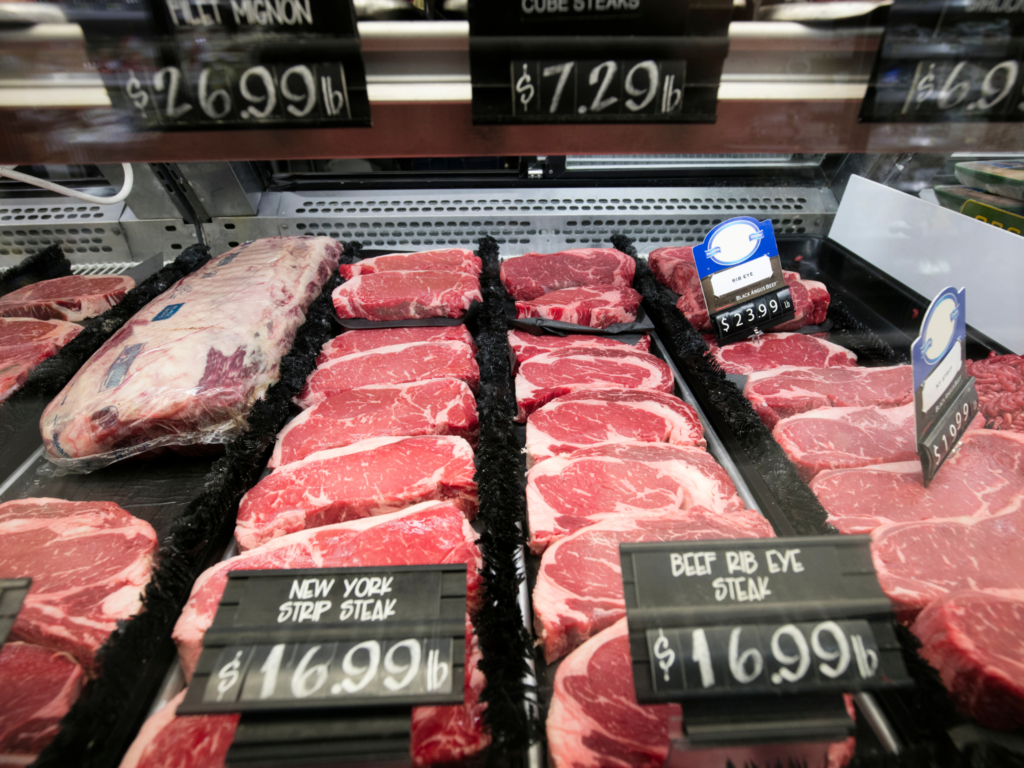
The stability of beef prices last month was also noteworthy, following record highs in previous months due to competition between China and the US for Australian beef. However, the easing of tensions between the world’s two largest economies and Washington’s relaxation of restrictions on Australian beef imports appear to have positively impacted this competition.
Dairy and Sugar Prices Decline
Dairy and sugar prices were a major contributor to the decline in the food price index last November. The dairy index fell significantly by 3.1% month-on-month and 1.7% year-on-year, marking its fifth consecutive month of decline, with all major dairy products experiencing decreases. This is attributed to increased milk production and ample export supplies in major producing regions, supported by abundant butter and skimmed milk powder stocks in the European Union and seasonal higher production in New Zealand.
Lower demand for milk powder imports in parts of Asia also impacted prices. Butter and whole milk powder saw the largest declines, driven by increased export availability and increased competition among major suppliers, while skimmed milk powder prices fell moderately amid ample supplies and weak demand. Cheese prices experienced the smallest decline, as strong demand in Asian and Near Eastern markets partially offset generally ample supplies in both the European Union and Oceania; however, the cheese price index remained about 10 percent higher than its level a year earlier.

The FAO sugar price index also fell by a larger margin. It fell 5.9% month-on-month and 29.9% year-on-year, marking its third consecutive monthly decline and its lowest level since December 2020. Expectations of ample global sugar supplies this season continued to weigh on prices. In Brazil’s main southern agricultural regions, sugar production remained strong despite a seasonal slowdown in sugarcane crushing and reduced use in its production. A strong start to the 2025/2026 harvest season in India and positive crop prospects in Thailand further bolstered the outlook for global sugar supplies and increased downward pressure on prices.